Your Perfect First Japanese Knife Without the Overwhelming Confusion

What is the best First Japanese Knife?

A Japanese Knife Guide Built for Kitchen Beginners

If you’ve spent hours scrolling through hundreds of japanese knives, trying to decode terms like VG-10, Damascus, Gyuto, and Santoku, you’re not alone. With so many kitchen knife options available, choosing the right one for your needs can feel overwhelming. Most home cooks enter this world excited about upgrading their cooking experience, only to feel lost in a maze of unfamiliar terminology, conflicting advice, and the fear of spending good money on the wrong blade.

The japanese knife industry offers incredible tools that can transform your culinary journey, but the path to finding your first japanese knife shouldn’t require a degree in metallurgy. This guide eliminates that confusion entirely. By the end, you’ll know exactly which knife type suits your cooking style, which steel type matches your maintenance preferences, and which specific options from Yakushiknives.com will deliver professional-level cutting precision without years of research. You can start building your own set of knives over time, selecting each piece as your skills and needs evolve, rather than feeling pressured to buy everything at once.

Why Japanese Knives Work

Here’s what makes japanese style knives fundamentally different from your current western chef’s knife or a typical chef's knife:

Superior Steel Hardness (60-62 HRC) – Japanese blades use harder steel than typical western knives (55-58 HRC), which means they hold an extremely sharp edge significantly longer. Your knife stays ready to make precise cuts through dozens of cooking sessions before needing attention. Modern Japanese chef's knives are often crafted from high-carbon steel, achieving 61-67 HRC (Rockwell hardness), compared to the 50-56 HRC range of most Western chef's knives.

Thinner Blade Geometry – Where western style knives rely on weight and thickness, japanese cutlery achieves cleaner cuts through refined geometry. A narrow blade with a pointed tip glides through ingredients rather than pushing through them, reducing food damage and tearing. Japanese knives typically have a straight blade shape, while Western chef's knives often feature a curved blade. Western-style knives also have thicker and sturdier blades compared to Japanese-style knives.

Lightweight Construction – A typical 8” japanese chef’s knife weighs around 198 grams compared to 230-280 grams for comparable western knives. This lighter weight dramatically reduces hand fatigue during extended kitchen tasks.

Centuries of Traditional Japanese Techniques – The knife making process behind Japanese blades draws from the same traditions that produced legendary samurai swords. Techniques like layering steel, precision heat treatment, and meticulous edge geometry have been refined since the Muromachi period.

Versatile Performance – One great Japanese chef's knife, such as the gyuto (Japan's version of a Western chef's knife and the most versatile option), handles everything from delicate herb chiffonade to precise protein portioning. The combination of sharpness, balance, and blade profile means fewer different knives cluttering your kitchen.

The Importance of Knife Making

Knife making is at the heart of what makes Japanese knives so revered in kitchens worldwide. This ancient craft, refined over centuries, combines traditional techniques with modern innovations to produce blades of unmatched quality and performance. In legendary knife-making regions like Seki City and Sakai City, artisans dedicate their lives to perfecting the art of forging, shaping, and sharpening each knife. The result is a tool that professional chefs and home cooks alike trust for its ability to deliver precise cuts and effortless slicing.

What sets Japanese knife making apart is the meticulous attention to detail at every stage of the process. From selecting the finest steel to hand-finishing the edge, each step is guided by a commitment to excellence. These traditional techniques, passed down through generations, ensure that every Japanese chef’s knife is not just a kitchen tool, but a piece of functional art. Whether you’re preparing vegetables for a family meal or crafting intricate dishes as a chef, the quality and craftsmanship of a Japanese knife make cooking more enjoyable, efficient, and inspiring.

How to Choose Your First Japanese Knife

Getting the right knife doesn’t require complexity. Focus on these three decisions:

Remember, when choosing your first Japanese knife, it's best to take it one bit at a time—paying attention to the small details can make a big difference in finding the perfect fit.

Step 1: Select Your Knife Type

Start with a Gyuto for maximum versatility. This japanese chef’s knife handles 90% of kitchen tasks and feels familiar if you’ve used a western chef’s knife before. The gently curved belly allows both rocking and push-cutting motions, while the pointed tip handles detail work. The Yakushiknives.com Damascus Steel Chef Knife represents an ideal first knife for most cooks.

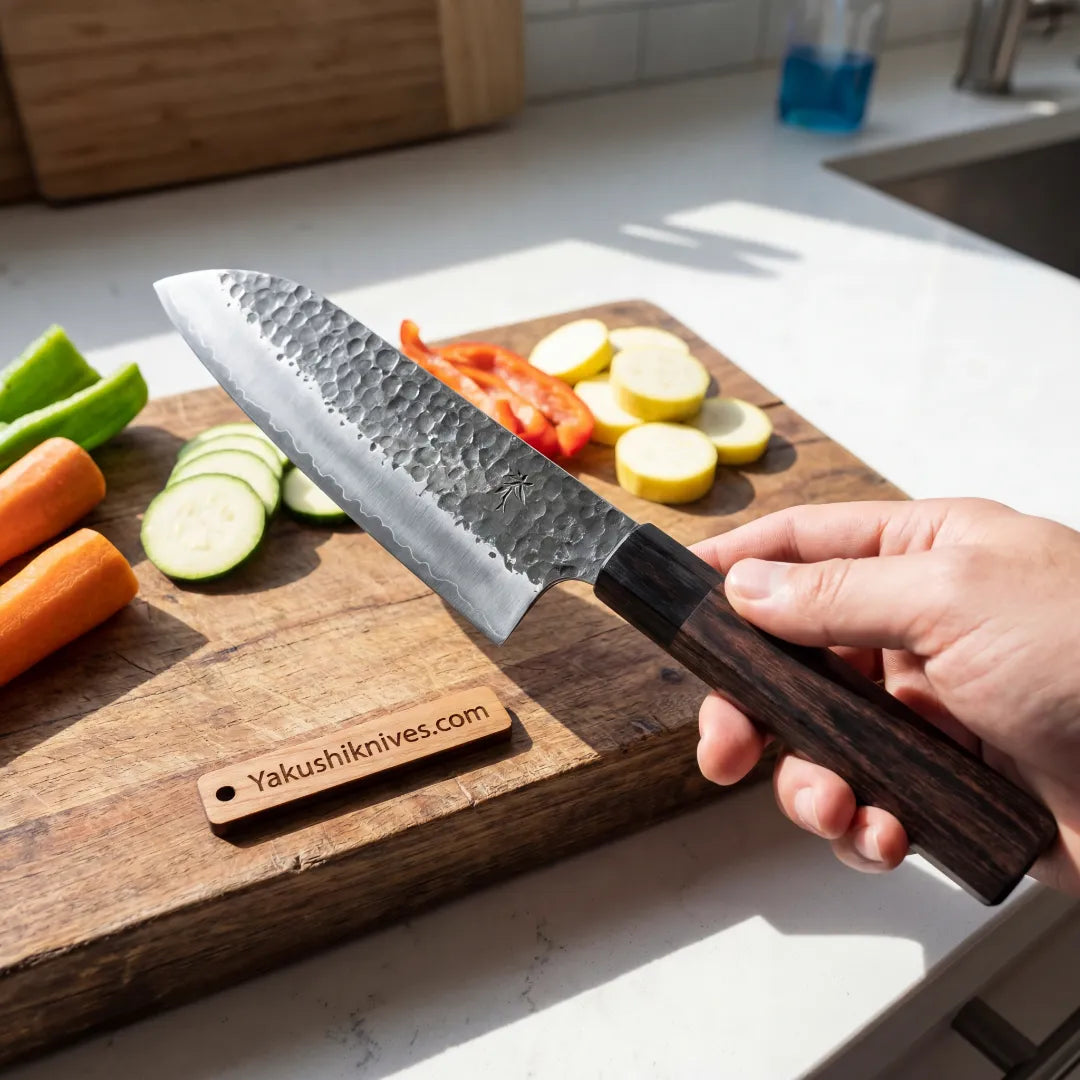
Consider a Santoku if you prefer shorter, wider blades with a straighter cutting edge. The santoku knife excels at the three virtues it’s named for: slicing, dicing, and mincing. It’s particularly suited for cooks with smaller hands or limited cutting surface space.

Explore Bunka for those who want precision tip work combined with modern aesthetic. This style offers detail capability similar to traditional japanese techniques while maintaining everyday versatility.

Step 2: Choose Steel Type and Construction

Begin with Stainless Steel for easy maintenance. Options like VG-10 and AUS-10 offer excellent edge retention and good rust resistance without demanding the careful attention that carbon steel requires. Modern alloys like VG-10 and SG2, as well as the use of Damascus steel, combine traditional aesthetics with modern rust resistance and strength. Yakushiknives.com features 67-layer Japanese Damascus construction with a VG-10 carbon steel core, delivering both performance and rust resistant convenience. The Tojiro DP series is a great example of an affordable, high-quality Japanese chef's knife, featuring a VG-10 steel core and an ergonomic design, making it suitable for both beginners and experienced cooks.


Understand Construction Differences:


Damascus/Layered Steel – Multiple layers folded around a hard core create distinctive patterns while providing durability and corrosion resistance. The visual beauty serves function: outer stainless layers protect the cutting edge.

Monosteel – Single steel composition throughout offers consistent sharpening behavior and straightforward maintenance.


Know Your Steel Options:


VG-10 – Premium Japanese stainless with exceptional hardness and better edge retention; the choice for most quality japanese blades. The higher the carbon content in steel, the longer the edge will last and the easier it will be to resharpen.

AUS-10 – Similar performance with slightly more forgiving sharpening characteristics

Carbon Steel – Superior sharpness and easier to sharpen, but requires vigilant care to prevent rust. Carbon steel develops a natural patina over time that can protect the blade from rust.

Stainless Steel – Typically contains at least 13% chromium, which provides its corrosion resistance. Stainless steel knives are often softer than carbon steel knives, which can affect their edge retention.

High Carbon Stainless Steel – Combines the benefits of carbon steel and stainless steel, offering good edge retention and rust resistance.

Tamahagane steel is produced by smelting iron sand with charcoal in a traditional clay furnace (tatara), a process that is central to classic Japanese sword and knife making.

Step 3: Determine Size and Handle Style

Select 200-210mm length for most home cooks. This size provides enough blade for efficient work without feeling unwieldy in standard kitchens. The Yakushiknives.com 8” (approximately 203mm) blade hits this sweet spot precisely. For larger hands or bigger prep volumes, consider moving up to 240mm.


Choose Your Handle:

Western Handle (Yo-Handle) – Full bolster, heavier construction; feels familiar if transitioning from western knives

Japanese Handle (Wa-Handle) – Lighter, often octagonal; traditional feel with excellent balance

Hybrid Designs – Materials like wood and resin combinations offer durability plus aesthetic appeal

The Yakushiknives.com Damascus Steel Chef Knife features a solid wood and blue resin handle with full tang construction, balancing tradition with modern durability.

Kitchen Essentials for Your First Japanese Knife

Starting your culinary journey with a Japanese knife is exciting, and having the right kitchen essentials will help you get the most out of your new blade. First and foremost, invest in a high-quality cutting board—Hinoki or Larch wood boards are ideal for preserving the sharp edge and ensuring long-lasting edge retention. These boards provide a gentle surface that protects your Japanese knife from unnecessary wear.

To keep your blade performing at its best, a leather strop or a reliable sharpening stone is a must. Regular maintenance with these tools will keep your knife sharp and ready for precise cuts every time you cook. Don’t forget to have a kitchen towel and gentle cleaning materials on hand; Japanese knives should always be cleaned and dried immediately after use to maintain their quality and prevent any damage.

If you’re new to Japanese knives, start simple: choose one versatile knife, such as a santoku or chef’s knife, and focus on mastering its use and care. As your confidence and knife skills grow, you can gradually expand your collection to include other knife types suited to your cooking style. With the right essentials and a commitment to proper care, your Japanese knife will become an indispensable part of your kitchen, making every meal a pleasure to prepare.

What Makes Different Options Unique

Not all japanese knives serve the same purpose. Understanding what each option offers helps match the right tool to your cooking style:

Yakushiknives.com Gyuto/Chef’s Knife Series provides the versatility most cooks need. VG-10 Damascus construction delivers professional-grade performance with manageable maintenance demands. The curved belly handles rocking cuts while the flatter rear heel excels at push-cutting vegetables.

Damascus Patterns aren’t just beautiful—the 67-layer construction potentially improves food release during slicing. Ingredients are less likely to stick to the blade’s surface compared to polished flat steel.

Handle Materials significantly impact your cooking experience:

  • Traditional wood offers warmth and classic aesthetics
  • Resin composites provide moisture resistance and durability
  • Wood-resin hybrids deliver the best bang of both worlds

Blade Finishes serve functional purposes:

  • Polished finishes showcase steel quality and clean easily
  • Textured finishes (like hammered or nashiji) reduce food adhesion
  • Damascus patterns combine visual appeal with practical benefits

The Yakushi Knives Damascus Kiritsuke with octagonal sandalwood handle represents a more specialized option for those who prefer the longer blade and angled tip profile, though beginners typically find the standard chef’s knife more approachable.

Proof That These Choices Work

Results speak louder than specifications. Home cooks who transition from standard western knives to quality japanese cutlery consistently report:

Immediate Difference in Cutting Precision – The first tomato slice reveals what you’ve been missing. Instead of crushing and tearing, the blade glides through cleanly. Herbs get chopped rather than bruised. Onion layers separate effortlessly.

Reduced Cooking Fatigue – The lighter weight and better balance of Japanese blades mean less strain during extended prep sessions. Professional chefs who spend hours at the cutting surface made this transition decades ago.

Faster Prep Times – Sharp edges and refined geometry mean each cut requires less effort. Tasks that felt like chores become genuinely enjoyable parts of cooking.

The Yakushi Knives Damascus Steel Chef Knife specifically delivers these benefits at an accessible price point, with VG-10 steel hardened to HRC 60+ for lasting sharpness and a 198-gram weight that keeps fatigue minimal.

Who Each Knife Type Is For

Choose Gyuto If:

  • You want one knife that handles nearly everything
  • You’re comfortable with western chef’s knife techniques
  • Versatility matters more than specialization
  • You chop, slice, and mince multiple ingredient types regularly

Choose Santoku If:

  • You prefer shorter blades with a straighter edge
  • Your cutting surface is limited
  • Vegetables dominate your cooking
  • You have smaller hands or prefer a more compact tool

Choose Bunka If:

  • Precision tip work matters to your cooking style
  • You appreciate modern japanese aesthetic
  • Detail tasks like scoring, small cuts, and garnishes feature prominently
  • You want something distinctive from standard knife profiles

Start with Stainless Steel If:

  • You’re new to japanese knives
  • Easy maintenance matters more than absolute edge performance
  • You prefer to focus on knife skills rather than blade care routines
  • You don’t want to worry about rust or patina

Budget Considerations and Investment Levels

Entry Level ($100-200) – Getting Started

Perfect for testing the japanese knife experience before larger investment. The Yakushiknives.com Damascus Steel Chef Knife falls into this range (often discounted from approximately $250 to around $150), offering:

  • 67-layer Damascus VG-10 steel construction
  • Full tang durability
  • Double-beveled edge for ambidextrous use
  • Professional-grade performance for daily cooking

This tier provides reliable stainless steel that won’t punish maintenance mistakes while delivering the precision and sharpness that makes japanese blades special.

Mid-Range ($200-400) – Serious Home Cooking

Designed for regular use and elevated experiences. This range includes:

Home cooks who’ve confirmed their appreciation for quality japanese cutlery find this tier offers noticeable improvements in both aesthetics and performance.

Premium ($400+) – Investment Pieces

For serious cooking enthusiasts who view their knife as both tool and art:

  • Hand-forged options from master craftsmen
  • Rare steel types including white steel, blue steel, and powder metallurgy options
  • Artistic finishing and exceptional attention to detail
  • Heirloom quality intended for decades of use

These represent long-term investments for those dead set on owning the finest expressions of the knife making craft.

FAQs on Choosing Your First Japanese Kitchen Knife

How do I maintain my first Japanese knife?


Hand wash immediately after use – Never put japanese blades in the dishwasher. The combination of heat, harsh detergents, and contact with other utensils damages edges and finishes.

Dry thoroughly – Even stainless steel with good rust resistance benefits from immediate drying. This takes seconds and prevents any moisture-related issues.

Store properly – Use a magnetic strip, knife block, or blade guards. Avoid loose storage where the edge contacts other metal objects.

Sharpen when needed – VG-10 and similar steels hold edges well but eventually need attention. Learn to use a whetstone, or find local sharpening services. A leather strop can extend time between sharpenings by maintaining the edge. Honyaki knives and other premium options require more careful attention during sharpening.


Will a Japanese knife work on my current cutting board?


Recommended: Wood or quality plastic cutting boards provide the ideal cutting surface for japanese blades.

Avoid: Glass, stone, ceramic, and bamboo boards damage knife edges rapidly. The harder steel in japanese knives chips more easily against these surfaces than softer western knives.

Your cutting board choice directly impacts how long your new knife stays sharp. Investing in a proper wood board protects your edge retention and makes sharpening less frequent.


What if I’m left-handed?


Focus on double-beveled knives – Most modern japanese knives, including options from Yakushiknives.com, feature symmetrical double-bevel edges that work equally well for left and right-handed users.

Avoid single-bevel initially – Traditional single-bevel japanese styles (like yanagiba for sushi) are ground specifically for right-handed use. These require left-handed versions or adaptation—not ideal for a first knife.

The Yakushiknives.com Damascus Steel Chef Knife is double-beveled and fully ambidextrous, making it suitable regardless of your dominant hand.


How is this different from a western chef’s knife?


Japanese blades use harder steel (HRC 60+ vs 55-58), enabling thinner geometry and sharper edges. They weigh less and cut more precisely. The trade-off: they require somewhat more careful use—avoid bones, frozen food, and twisting motions that can chip the harder steel.


Do I need any other knives to start?


No. A quality Gyuto handles the vast majority of kitchen tasks. Start with one knife, develop your knife skills, then add specialized options like a petty knife for small work or a nakiri for vegetables only if specific needs emerge.
Start Your Japanese Knife Journey Today

You now understand what separates great japanese knives from ordinary kitchen tools. You know which steel type matches your maintenance preferences, which blade style suits your cooking, and which size fits your kitchen.

The path forward is clear: browse the Yakushiknives.com collection with your new knowledge. For most beginners, the Damascus Steel Chef Knife represents the ideal first japanese knife—VG-10 steel for durability and edge retention, 67-layer Damascus for beauty and function, and a size that handles everything from morning vegetables to evening proteins.

Yakushiknives.com offers a 15-day test-run guarantee and 3-month warranty, with free USA shipping and delivery in 4-6 business days. There’s no risk in discovering what professional chefs and serious home cooks across kitchens worldwide already know: the right japanese knife transforms cooking from task to pleasure.

Your culinary journey deserves better than struggling with dull, heavy blades. Choose your first japanese knife today.