Upgrade Your Culinary Skills with These Knife Accessories for the Kitchen
Keep your kitchen knives sharper, safer, and easier to use with Yakushi’s collection of premium knife accessories. Whether you need a whetstone for sharpening, a honing steel for edge maintenance, a knife holder for safe storage, kitchen scissors for daily prep, or a wooden cutting board that protects your blade edge, these accessories are designed to support better knife performance in everyday cooking.
This collection includes essential kitchen knife accessories for home cooks and chefs who want to extend the life of their knives, protect their blades, and improve food prep efficiency.
Knife Sharpening Accessories
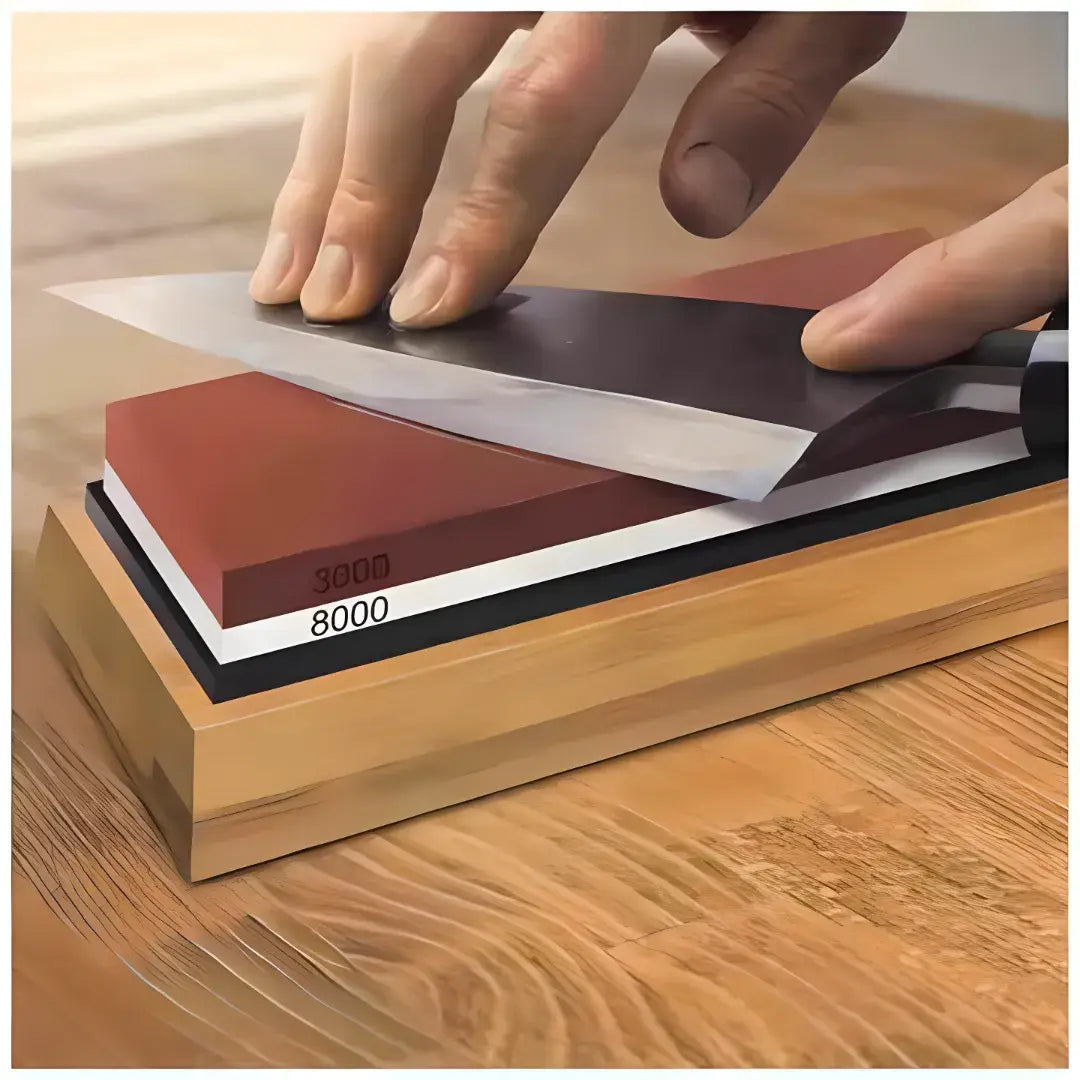
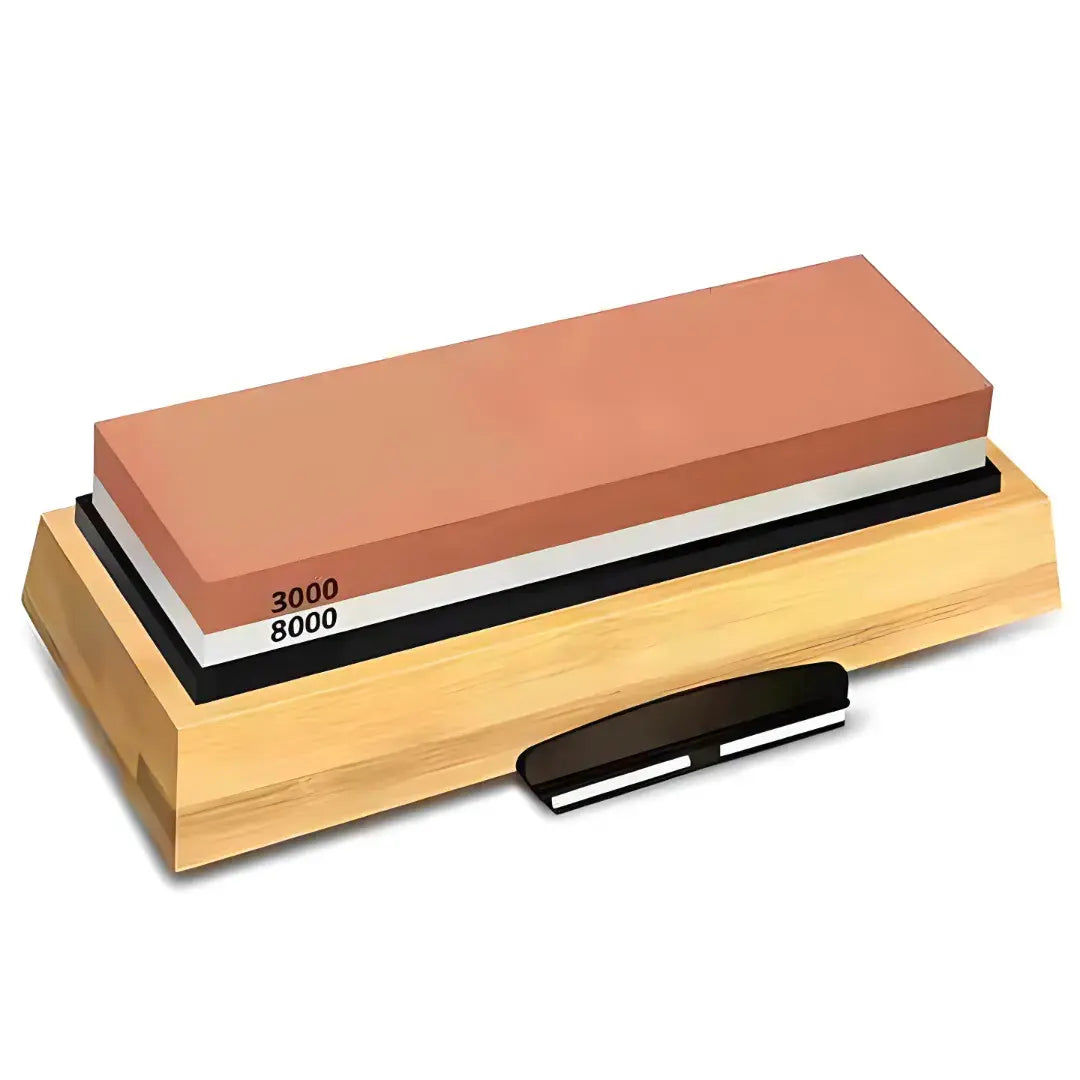
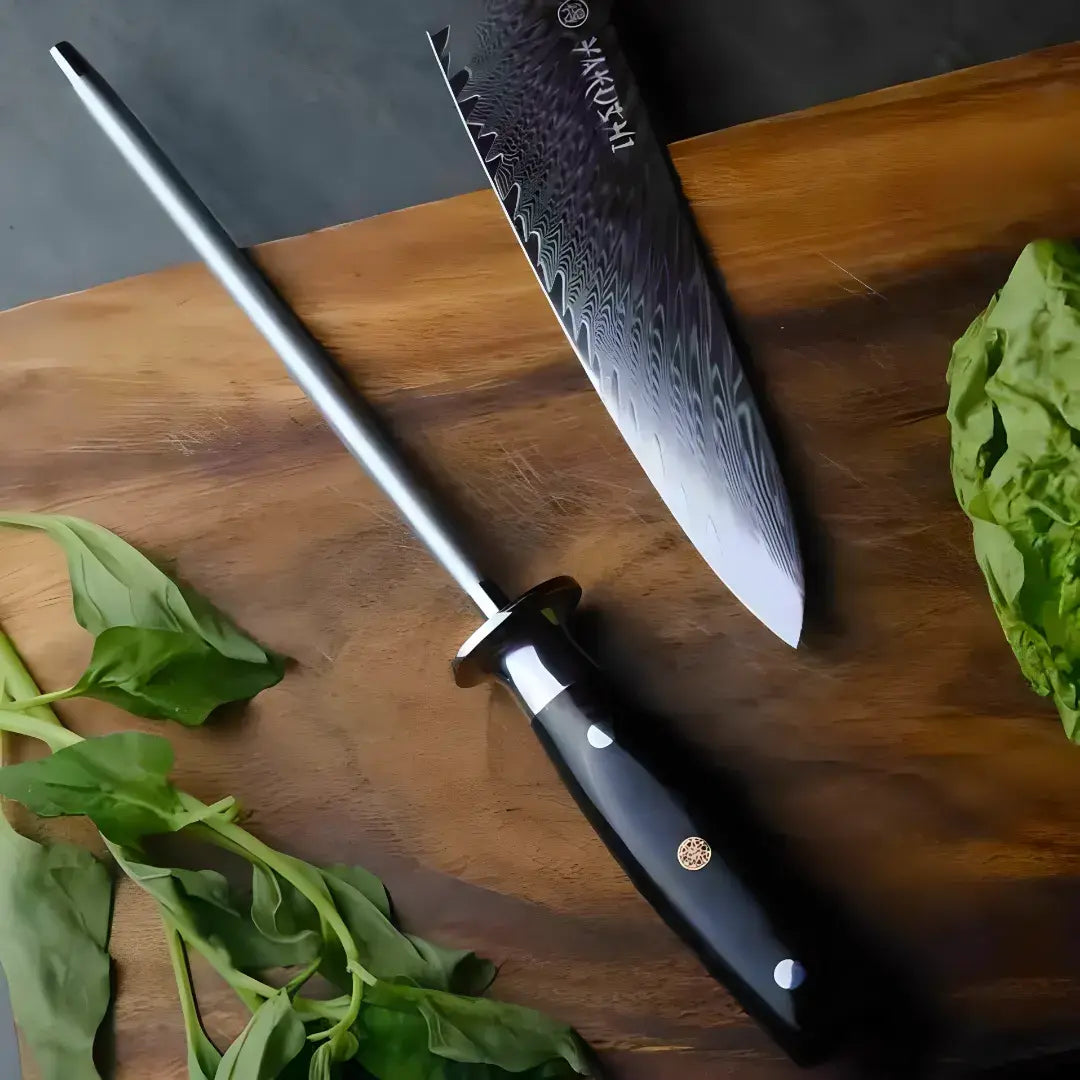
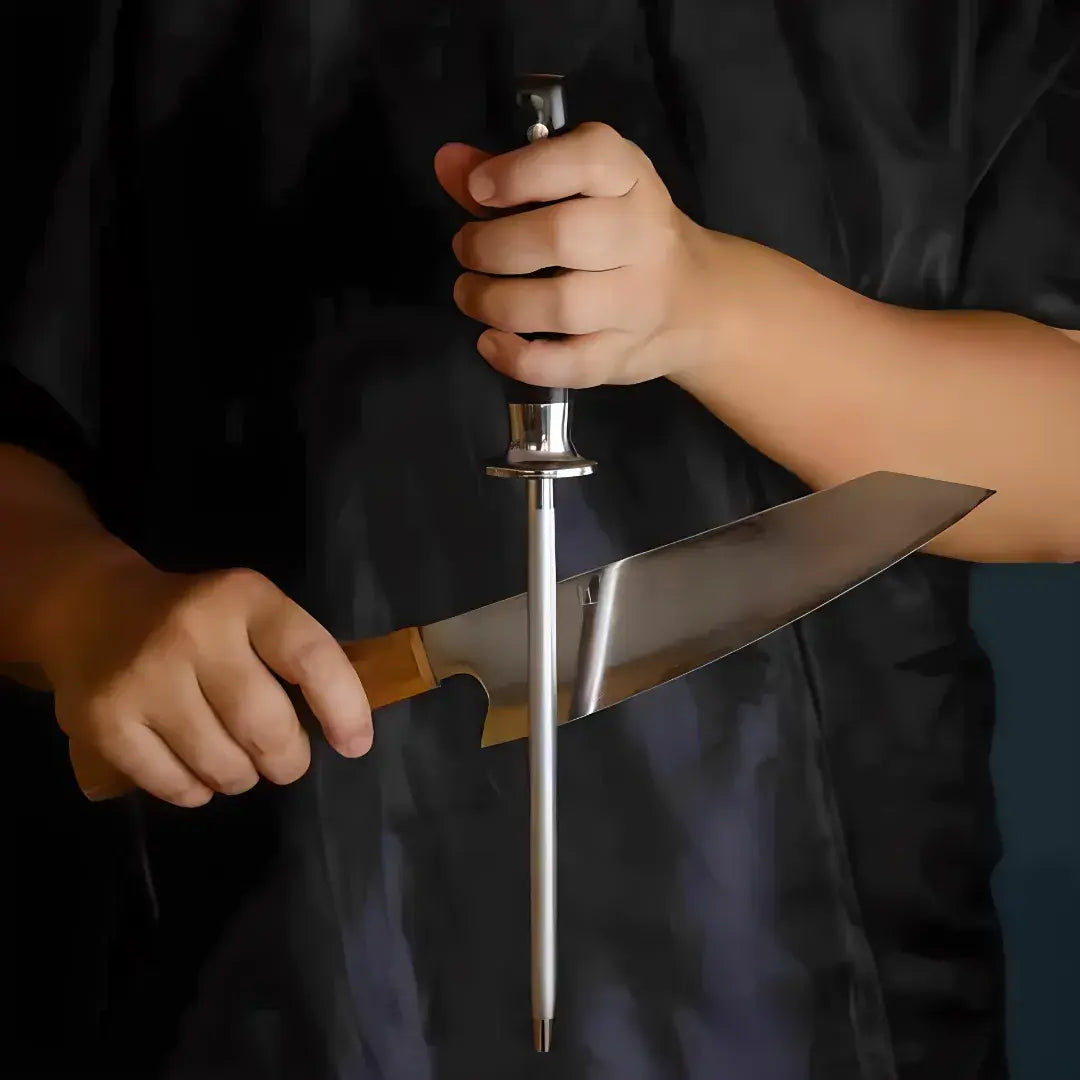
Whetstones and honing steel for keeping blades sharp.
Knife Storage Accessories
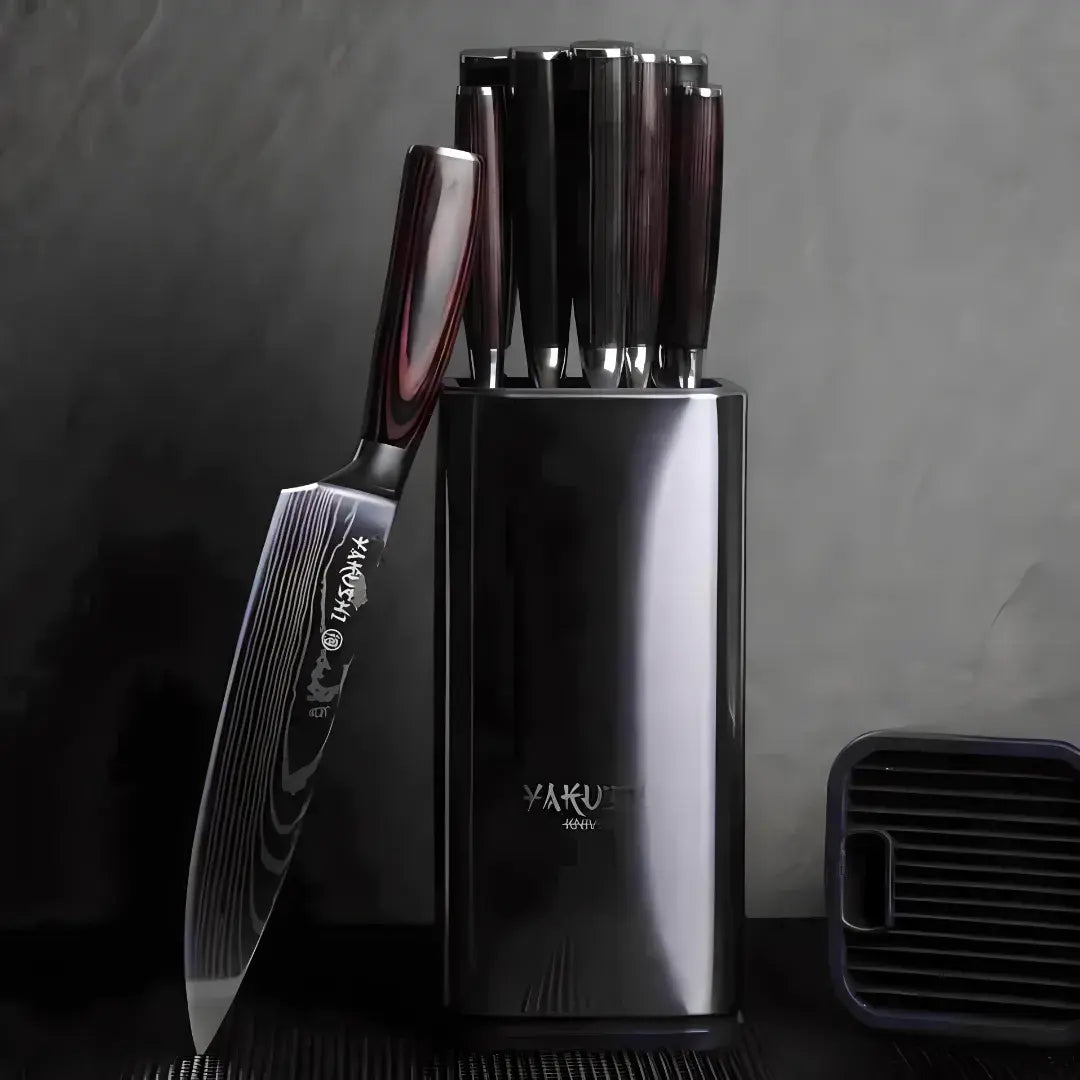
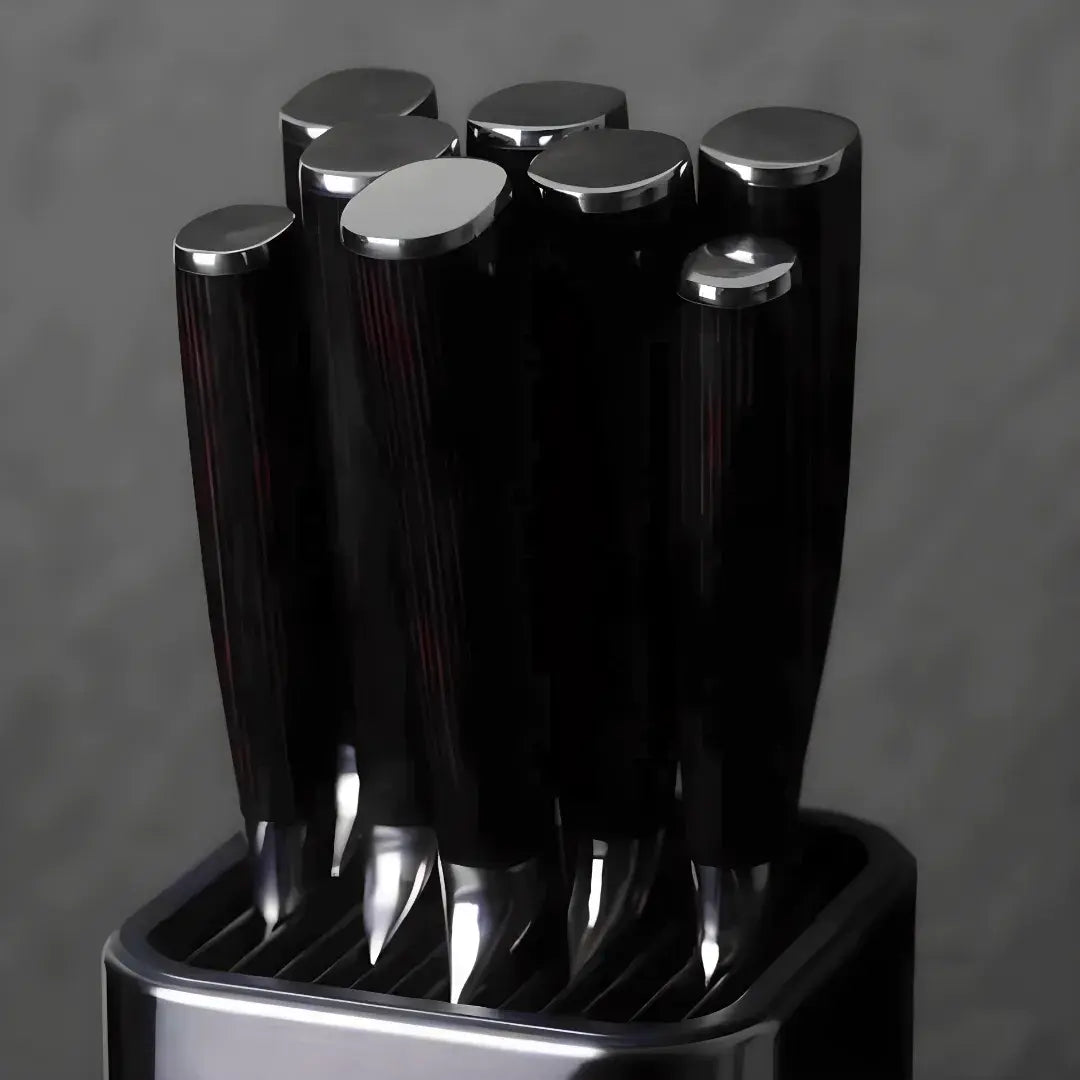
Knife holder for safer storage.
Cutting Boards
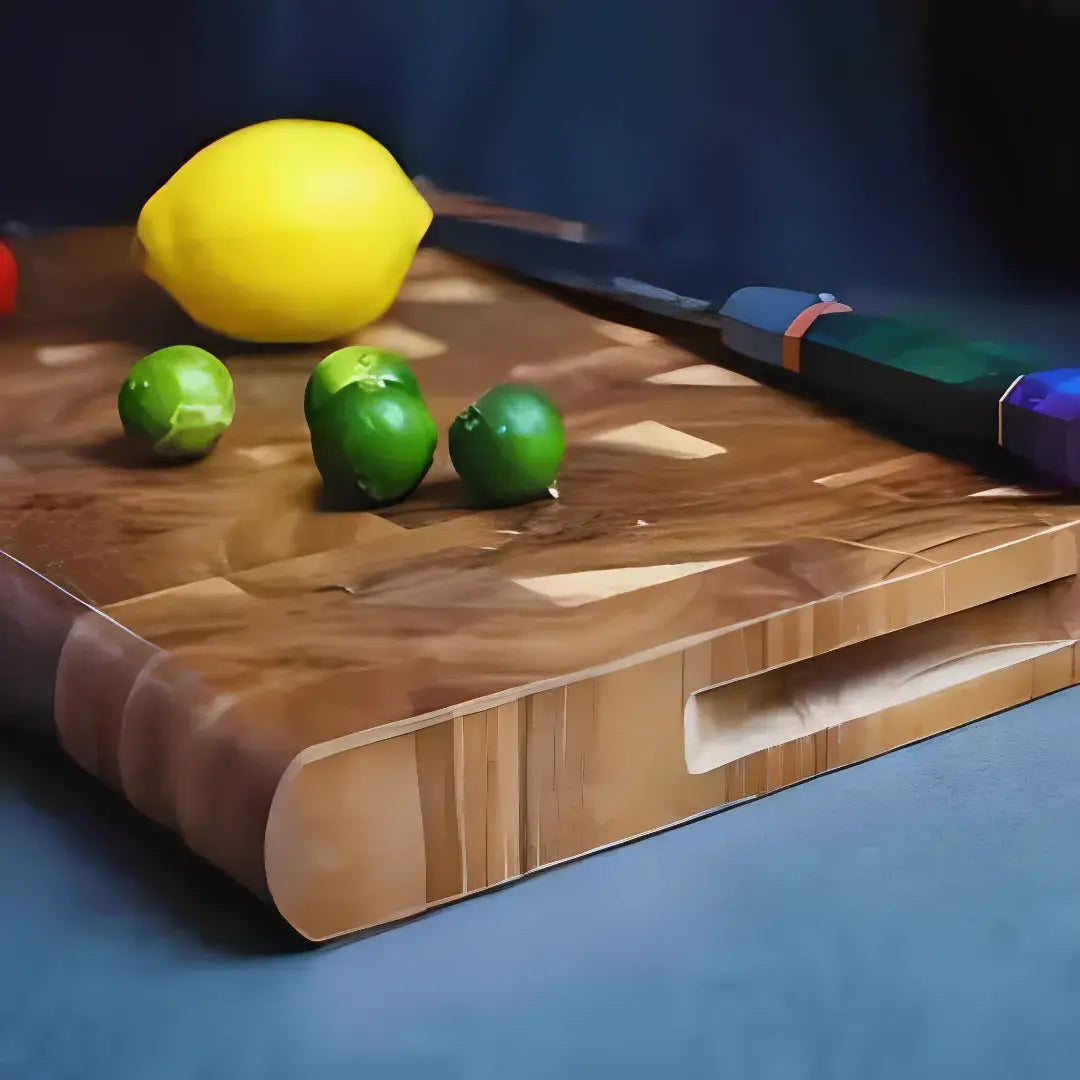
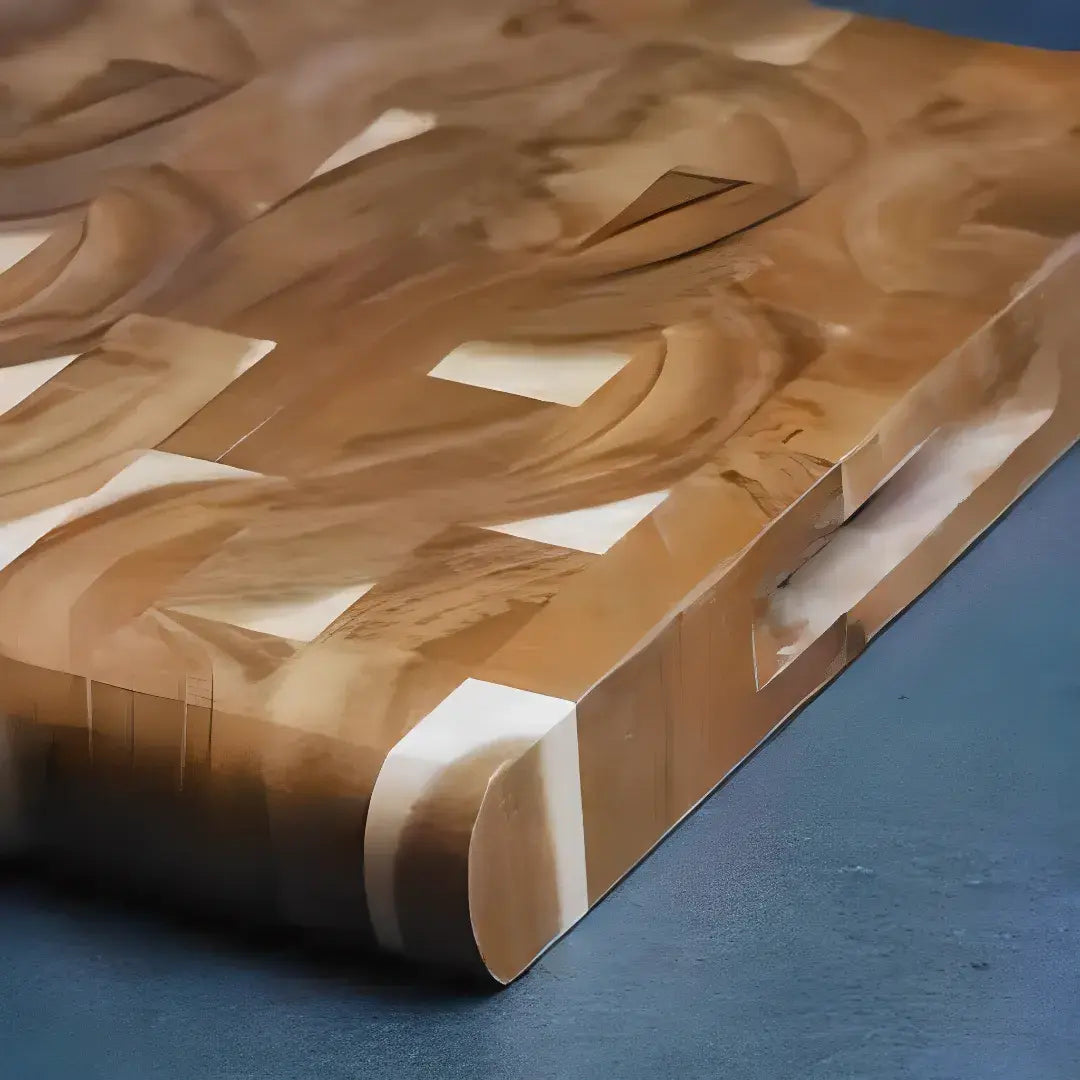
Wood cutting boards that protect knife edges and provide a stable prep surface.
Kitchen Scissors & Prep Tools
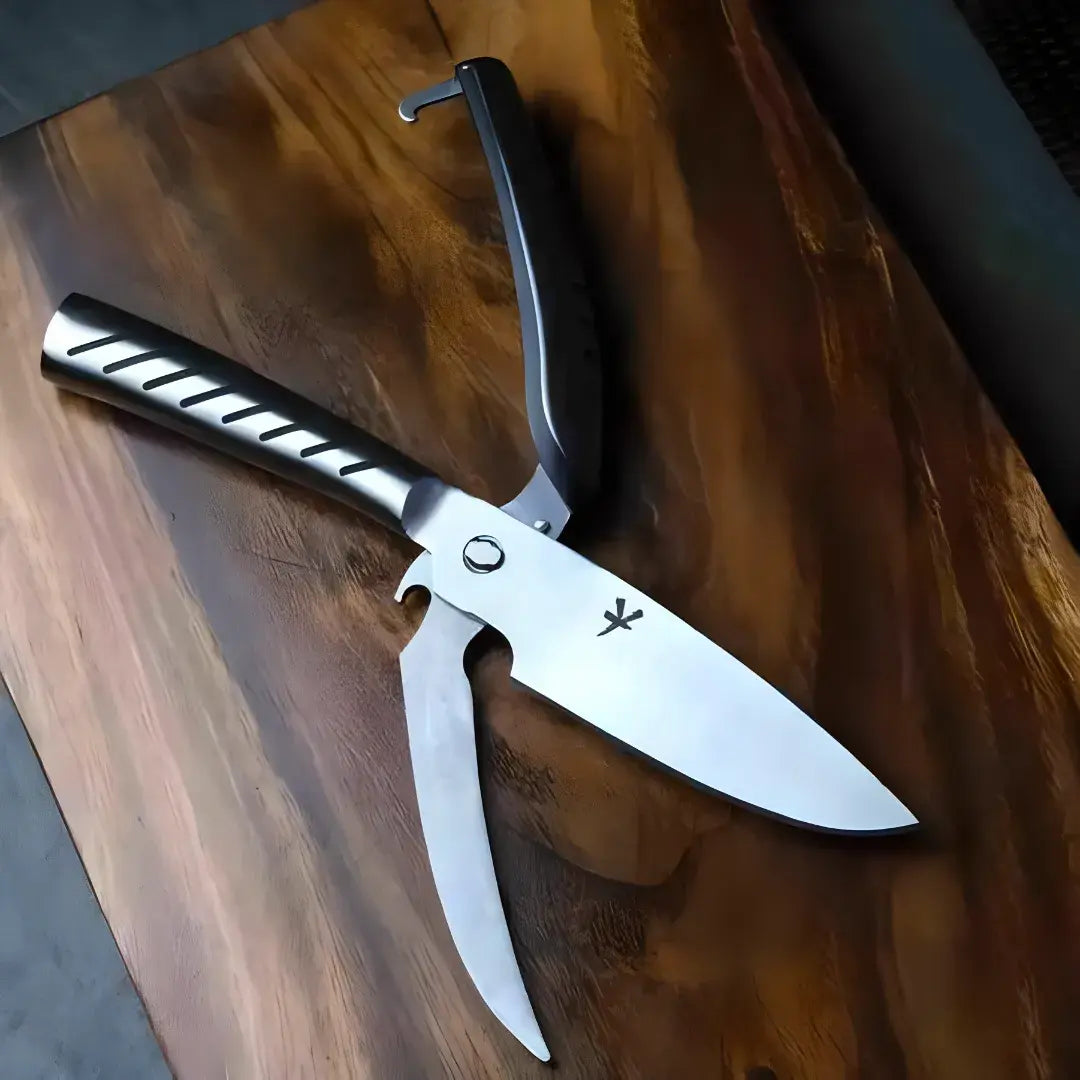
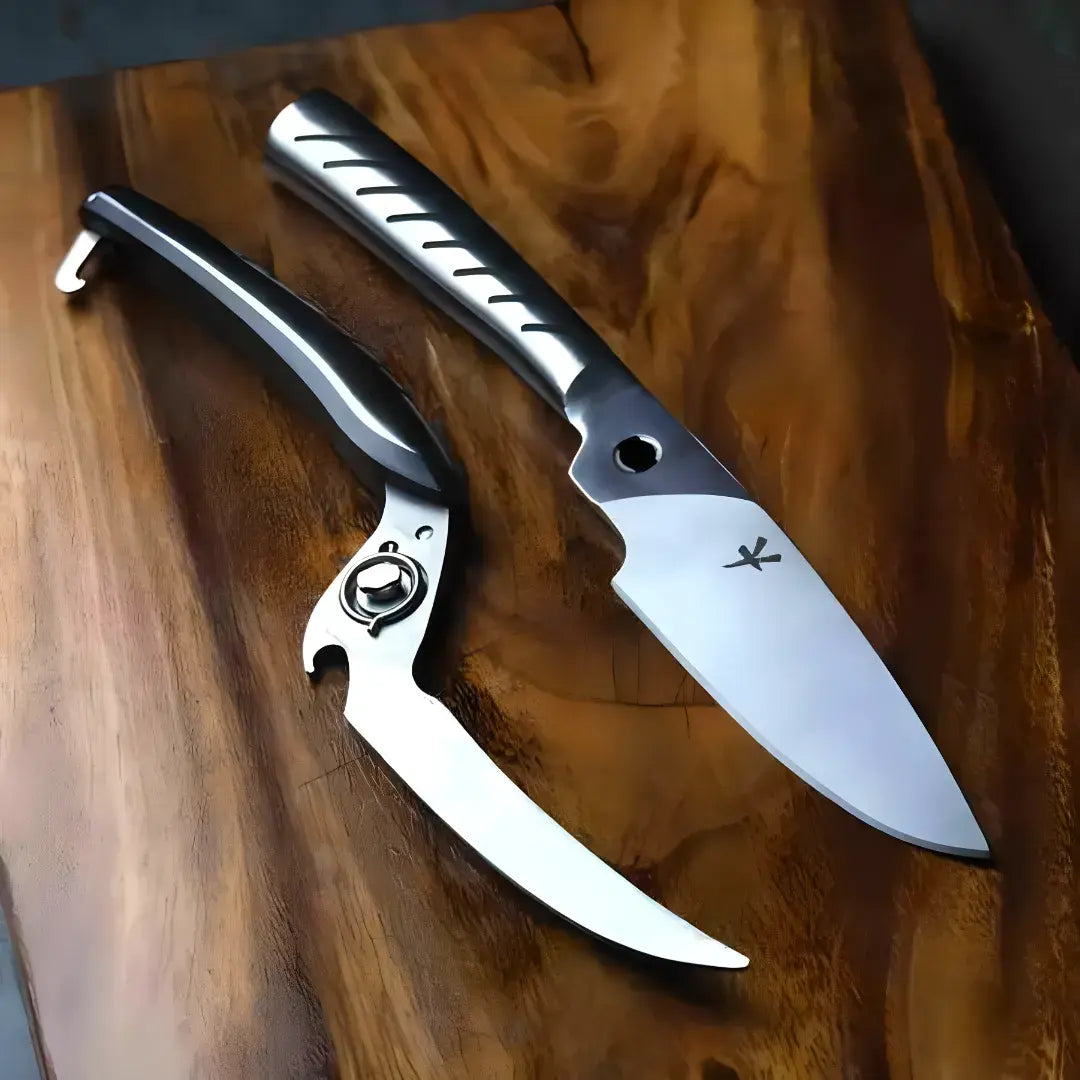
Detachable kitchen scissors for everyday cooking.
Filters
5 products
Essential Knife Accessories for Every Kitchen
Investing in a premium kitchen knife is only the first step toward effortless meal prep. To maintain that razor-sharp factory edge, ensure kitchen safety, and extend the lifespan of your cutlery, you need the right ecosystem of support tools. This comprehensive guide covers the essential knife accessories that every home cook, aspiring chef, and culinary enthusiast needs in their kitchen. From professional-grade whetstones to edge-friendly cutting surfaces, discover how the right accessories transform your daily cooking experience.
The best knife accessories for most kitchens are a whetstone or sharpener, honing steel, knife holder, cutting board, and kitchen scissors. These accessories help keep knives sharp, safely stored, and ready for daily food prep. Japanese knife owners should prioritize a whetstone, wood cutting board, and protective storage to preserve the blade edge.
What are Knife Accessories?
Knife accessories are specialized kitchen tools designed to support, protect, maintain, and safely store your cutlery collection. Rather than performing the actual cutting, these companion items ensure your primary blades stay razor-sharp, remain hygienic, and are safely organized. The core category encompasses everything from alignment tools like honing steels to edge-friendly cutting surfaces and blade-safe storage units.
What Accessories do Japanese Knives Need?
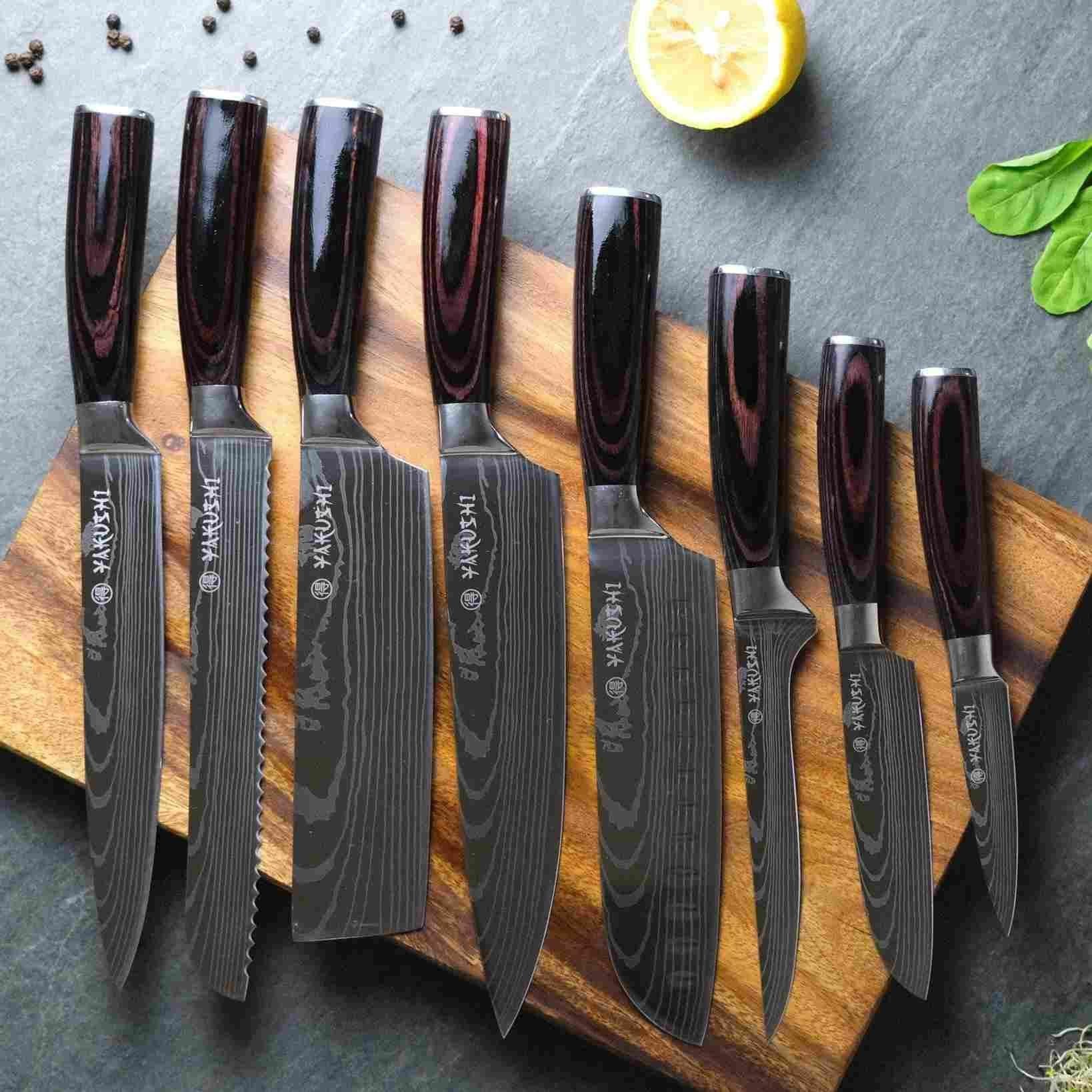
Japanese knives are crafted from incredibly hard, brittle high-carbon or Damascus steel alloys that are sharpened to razor-thin, steep angles. Because their edges are so delicate, they require specialized care to prevent chipping or cracking.
- Whetstones: You must avoid coarse pull-through sharpeners and heavy metal honing rods completely. Instead, use a dual-grit waterstone system to gently restore and mirror-polish the edge.
- Premium Cutting Boards: Invest in an ultra-soft walnut end grain cutting board or high-end food-grade rubber surface that gives way to the blade finish.
- Camellia Oil: High-carbon Japanese steel oxidizes rapidly; a thin layer of food-safe camellia oil is mandatory to prevent rust.
Knife Sharpening Accessories
A dull knife is frustrating to use and dangerous, as it requires more force and is highly prone to slipping. Keeping your blades performing at their peak requires a two-step maintenance routine: honing and sharpening.
Honing Steels vs. Whetstones vs. Pull-Through Sharpeners
Understanding the difference between alignment and metal removal is the secret to a lifetime of sharp cutlery.
- Honing Steels (Maintenance): A honing rod does not actually remove metal from your blade. Instead, it pushes the microscopic, bent teeth of the edge back into alignment. Use a honing steel frequently—ideally before every major prep session—to keep your knife feeling sharp between actual sharpening sessions.
- Whetstones (True Sharpening): When your knife truly becomes dull, a whetstone is the gold standard for restoring the edge. By grinding the blade against varying grits of abrasive stone, you shave away microscopic amounts of steel to create a brand-new, razor-sharp bevel. It requires some practice but offers unmatched precision, especially for delicate Japanese cutlery.
- Pull-Through Sharpeners: While convenient for quick fixes, manual or electric pull-through sharpeners can be aggressive, removing more steel than necessary and creating a rougher edge profile. They are best reserved for robust, everyday utility knives rather than high-end forged steel.
Knife Care & Accessory Finder
| Need | Best Accessory | Why It Helps |
|---|---|---|
| Sharpening & Edge Maintenance | ||
| Keeping knives sharp | Whetstone | Restores the blade edge through true sharpening sessions. |
| Daily edge maintenance | Honing steel | Helps realign the edge between true sharpening sessions. |
| Storage & Surface Protection | ||
| Safer countertop storage | Knife holder | Keeps blades protected and immediately accessible. |
| Protecting knife edges | Wood cutting board | Reduces direct impact on the fine blade steel compared with hard plastic or glass surfaces. |
| Versatility & Travel Logistics | ||
| General kitchen prep | Kitchen scissors | Useful for herbs, cutting poultry joints, processing packaging, and quick trimming. |
| Transporting knives | Knife roll or sheath | Protects fine edges securely when traveling or storing cutlery loose in kitchen drawers. |
Knife Storage Accessories
How you store your knives when they aren't in use directly impacts how long they stay sharp. Leaving high-end cutlery loose in a kitchen drawer allows the blades to bang against other utensils, instantly dulling or chipping the delicate edges.
- Magnetic Knife Holders: A sleek, modern choice that mounts directly to your kitchen wall. Magnetic strips keep your knives completely visible, easily accessible, and safely separated while saving valuable counter space.
- Traditional Knife Blocks: Classic counter storage. Opt for universal blocks filled with flexible plastic rods if you have a mixed-brand collection, or traditional wood slots that match your specific knife set.
- In-Drawer Organizers: If you prefer clear countertops, specialized wooden or cork wave-slots sit flat inside your drawer, keeping the blades pointed downward and isolated.
- Sheaths and Blade Guards: Hard plastic or leather guards (often lined with soft felt) slip directly over individual blades. These are essential if you store knives loosely or travel with them.
- Roll Bags: The ultimate choice for culinary students, professional chefs, and outdoor cooking enthusiasts who need to transport a full arsenal of tools safely.
Cutting Boards That Protect Your Knife Edge
Your knife spends thousands of impacts a day hitting your cutting board. If that surface is harder than the steel of your blade, your edge will dull, roll, or chip almost instantly.
Why Material Matters
Avoid hard, non-porous surfaces like glass, marble, slate, or ceramic. While they are easy to clean, they act like an anvil against your knife's edge, destroying its sharpness in just a few cuts.
Instead, invest in edge-friendly materials:
- End-Grain Wood: The absolute best surface for high-end knives. In an end-grain board, the wood fibers stand vertically (like a bunch of paintbrushes packed tightly together). When your knife strikes, the fibers part to absorb the impact and then close back up, preserving your edge perfectly.
- Edge-Grain Wood (Maple, Walnut, Cherry): Durable, beautiful, and highly resilient. While slightly firmer than end-grain, quality wood boards naturally yield to the steel blade.
- High-Quality Rubber or Soft Plastic: Preferred in professional kitchens for sanitization, heavy-duty food-grade rubber boards offer excellent grip and a forgiving surface that won't dull your knives.
Kitchen Scissors and Prep Accessories
A great chef's knife is a multitasker, but some kitchen prep tasks are much more efficiently handled by dedicated companion tools.
- Kitchen Shears: Heavy-duty, spring-loaded, or take-apart scissors are indispensable. Use them for spatchcocking poultry, snipping fresh herbs directly into a pan, trimming parchment paper, cracking seafood shells, or opening stubborn ingredient packaging without dulling your knife tips.
- Pealers and Mandolines: For uniform slicing and rapid peeling, these accessories take the heavy lifting off your main blades, keeping your primary knives reserved for precision chopping and dicing.
Knife Cleaning and Care Accessories
Even the highest-grade stainless steel can rust, pit, or stain if treated poorly. Proper care accessories ensure your knives maintain their pristine appearance and structural integrity for decades.
- Food-Safe Blade Oils: Carbon steel knives require a thin coat of food-safe mineral oil or camellia oil after every use to create a protective barrier against moisture and oxidation. Even stainless steel benefits from occasional oiling before long-term storage.
- Gentle Cleaning Brushes and Sponges: Avoid abrasive steel wool or harsh scouring pads that scratch the beautiful finish of your blade. Use soft, non-scratch microfiber sponges or dedicated nylon dish brushes.
- The Ultimate Rule: No matter what accessories you buy, the most important care routine is completely free: Never put your kitchen knives in the dishwasher. The high heat, harsh detergents, and rattling will warp handles and ruin edges. Always hand-wash and dry immediately.
Knife Safety Accessories
Kitchen safety is all about control. When your hands and your knives are properly protected, you can prep with speed and confidence.
- Cut-Resistant Gloves: Woven from high-performance polyethylene and fiberglass, these lightweight, breathable gloves protect your non-dominant hand from accidental slips. They are highly recommended for beginners learning knife skills, or anyone operating a mandoline or oyster shucker.
- Finger Guards: Small metal shields that slip over your fingers, allowing you to practice the professional "claw grip" technique safely while slicing vegetables.
How to Choose the Best Knife Accessories (The Buyer's Guide)
Knife Accessory Decision Matrix
Not every kitchen needs every tool. Use this decision matrix to find the exact accessories that fit your specific cooking style, experience level, and budget.
| Buyer Profile | Recommended Sharpening | Recommended Storage | Must-Have Accessory |
|---|---|---|---|
|
The Beginner / Casual Cook |
Ceramic pull-through sharpener | In-drawer organizer or slot block | Cut-resistant glove |
|
The Everyday Home Cook |
Honing steel + Annual pro sharpening | Wall-mounted magnetic strip | End-grain maple cutting board |
|
The Passionate Home Chef |
Dual-grit whetstone (1000/6000) | Wood magnetic holder | Kitchen shears + Blade oil |
|
The Japanese Knife Owner |
High-quality ceramic waterstones | Soft wooden block or felt sheaths | Premium end-grain or soft rubber board |
| The Gift Buyer | Complete whetstone starter kit | Universal magnetic knife block |
Great Bundle Option
Heavy-duty take-apart kitchen shears
|
Choosing Knife Care Accessories By Use
| Need | Best Accessory | Why It Helps |
|---|---|---|
| Sharpening & Edge Maintenance | ||
| Keeping knives sharp | Whetstone | Restores the blade edge through true sharpening sessions. |
| Daily edge maintenance | Honing steel | Helps realign the edge between true sharpening sessions. |
| Storage & Surface Protection | ||
| Safer countertop storage | Knife holder | Keeps blades protected and immediately accessible. |
| Protecting knife edges | Wood cutting board | Reduces direct impact on the fine blade steel compared with hard plastic or glass surfaces. |
| Versatility & Travel Logistics | ||
| General kitchen prep | Kitchen scissors | Useful for herbs, cutting poultry joints, processing packaging, and quick trimming. |
| Transporting knives | Knife roll or sheath | Protects fine edges securely when traveling or storing cutlery loose in kitchen drawers. |
The Knife Protection Trinity: Storage, Sharpening, and Surfaces
When you invest in premium Japanese high-carbon or Damascus steel knives, the blade is only half of the performance equation. To maintain that legendary, razor-sharp factory edge for a lifetime, you need a coordinated ecosystem of accessories designed to protect the steel's physical geometry.
1. Advanced Storage (Preserving the Apex)
Leaving fine cutlery loose in a kitchen drawer is the fastest way to ruin a blade. Every time the drawer opens, the delicate cutting edge strikes other metal utensils, causing microscopic rolls, chips, and dulling.
- The Solution: A premium magnetic wooden knife block or a dedicated wooden sheath (Saya). Magnetic storage keeps the blade completely isolated and safely on display, ensuring nothing ever touches the razor-sharp apex when not in use.
2. High-Performance Surfaces (Preventing Chipping)
A hard Japanese knife (60+ HRC) is a precision instrument, not a hacking tool. Cutting on hard, unforgiving surfaces like glass, ceramic, marble, or composite countertops will instantly flatten or chip the ultra-thin steel edge.
- The Solution: End-grain wood, thick bamboo, or high-density rubber cutting boards. These materials are "soft" enough to absorb the downward impact of the knife, allowing the razor edge to slide between the wood fibers rather than smashing flat against a solid barrier.
3. Precision Maintenance (Refreshing the Edge)
Even the finest super-steels will eventually lose their edge through regular kitchen use. Pull-through mechanical or electric sharpeners use aggressive, coarse wheels that strip away far too much steel and can warp the blade profile.
- The Solution: Dual-grit Japanese water stones (whetstones). Utilizing a 1000-grit stone for establishing the edge and a 6000-grit stone for polishing allows you to safely maintain the exact 12-to-15-degree factory angle without overheating or micro-cracking the steel core.
FAQs: Kitchen Knife Accessories
What is the difference between honing and sharpening?
Honing and sharpening are two entirely different maintenance steps. Honing aligns the microscopic, bent teeth of an already sharp blade using a smooth ceramic or steel rod; it does not remove any metal. Sharpening actually shaves away microscopic layers of steel to grind a brand-new, razor-sharp edge onto a dull blade. Think of honing as daily tuning and sharpening as an occasional structural overhaul.
Can I use a regular wooden or bamboo cutting board with hard Japanese knives?
Yes, high-quality wood and bamboo are excellent choices, but the construction of the board matters significantly. For ultra-hard Japanese knives (60+ HRC), an end-grain wooden board is the absolute gold standard. In an end-grain board, the wood fibers stand vertically, allowing your razor-sharp blade to slide between the fibers rather than cutting across them. This absorption preserves your knife's factory edge much longer. Avoid cheap, hard plastic, composite resin, or glass boards, which will instantly dull or chip premium steel.
Are whetstones better than pull-through sharpeners?
Yes, whetstones are vastly superior to pull-through sharpeners for any quality knife. Whetstones allow you to control the exact angle of the edge, remove the absolute minimum amount of steel, and leave a perfectly smooth bevel. Manual or electric pull-through sharpeners use aggressive, fixed carbide V-notches that peel off long ribbons of metal, often creating a jagged edge that wears down the lifespan of your knife prematurely.
How long do knife sharpening accessories like whetstones last?
A high-quality waterstone or ceramic honing rod can easily last 5 to 10 years or more with normal household use. Over time, a whetstone will develop a dip or groove in the center from uneven friction; you simply need to rub it against a cheap "flattening stone" (lapping plate) to restore a perfectly level surface. Conversely, pull-through sharpeners generally last only 1 to 3 years before their fixed abrasive wheels wear down and become useless.
What is the best way to store kitchen knives?
The best storage methods isolate individual blades so they never touch other metal tools. A wood- or silicone-faced magnetic strip is the top choice for accessibility, hygiene, and counter-space savings. Traditional countertop knife blocks and slotted in-drawer inserts are also excellent options. The absolute worst method is storing loose knives inside a standard utensil drawer, which ruins edges instantly and poses a major safety risk.
Do cutting boards affect knife sharpness?
Absolutely. Your cutting board material dictates how long your knife stays sharp. Hard, non-porous surfaces like glass, marble, granite, slate, and ceramic act like an anvil, instantly flattening, rolling, or chipping your blade edge upon impact. Always use forgiving, edge-friendly materials like end-grain wood, edge-grain hardwoods (maple, walnut, cherry), or thick, soft food-grade rubber.
Why can’t I just put my kitchen knives and wooden cutting boards in the dishwasher?
The dishwasher is incredibly destructive to premium kitchen gear. The intense heat and prolonged moisture warp, crack, and dry out wooden handles and cutting boards. Furthermore, the corrosive chemical detergents dull sharp steel edges, while the high-pressure water jets cause knives to rattle violently against plastic racks and other dishes, resulting in micro-chips along the blade. Always hand-wash with warm water and mild dish soap, then dry immediately.
Why shouldn’t I store my premium knives loose in a kitchen drawer?
Storing fine cutlery loose in a utensil drawer is the fastest way to ruin a blade. Every time the drawer is opened or closed, the exposed, razor-sharp edge strikes other metal forks, spoons, or knives. This repetitive, hard contact causes microscopic bending, dulling, and chipping along the cutting apex. To safely protect your investment, always isolate the blades using a magnetic wooden knife block, a dedicated slotted block, or protective wooden sheaths (Sayas).
Do I really need specialized knife oil, or can I use vegetable oil?
Never use cooking oils like vegetable, canola, or olive oil to protect your knives or condition wooden boards. Cooking oils oxidize quickly when exposed to air, turning rancid, sticky, and foul-smelling over time. Instead, use pure, food-safe mineral oil or specialized camellia oil. They are completely food-safe, never spoil, and form a flawless, hydrophobic moisture barrier that blocks rust and oxidation.
What knife accessories do I need for Japanese knives?
Japanese knives are forged from incredibly hard, brittle steel and sharpened to a steep, acute angle (typically 15 degrees or less). To maintain them properly without risking catastrophic chips, you must avoid coarse pull-through sharpeners and honing steels entirely. Instead, you need:
- A dual-grit whetstone (such as a 1000-grit for sharpening and 6000-grit for mirror-polishing).
- An exceptionally soft surface, like an end-grain wood or professional soft rubber cutting board.
- Food-safe camellia oil to protect the high-carbon steel from rust.
If I am on a tight budget, which knife accessory should I buy first?
Prioritize an edge-friendly wood or soft plastic cutting board above all else. Even the most expensive knife in the world will lose its edge in a single afternoon if used on a hard countertop, ceramic plate, or glass board. Investing in a gentle cutting surface preserves your knife's factory edge immediately, making it the highest-ROI accessory you can buy. Follow it up with a ceramic honing rod as your second budget-friendly purchase.