Best Gyuto Knife for Beginners: Master Japanese Cutting Techniques Without Overspending

What is the Best Gyuto Knife for Beginners?

A gyuto knife transforms your cooking experience from frustrating to precise. As a versatile chef's knife and a Japanese chef's knife, the gyuto is an all purpose knife favored by both home cooks and professional chefs for its adaptability and ease of use. The gyuto is the Japanese equivalent of the Western chef's knife, and the main differences between the gyuto and the santoku knife are in blade length and typical uses—the gyuto generally has a longer blade, making it more efficient for cutting larger ingredients, while the santoku is shorter and lighter for easier control.


Gyuto knives are typically lighter and thinner than European chef's knives (Western chef's knives), which allows for better control, precision, and edge retention. The typical blade length of a gyuto knife ranges from 7 to 10 inches, with 8 inches being the most popular size for beginners. Made from high-performance Japanese steel, gyuto knives maintain a sharp edge longer than many Western knives. 


They are regarded as the gold standard for those transitioning from Western-style chef's knives to Japanese cutlery. If you’re ready to move beyond dull Western chef’s knives but feel overwhelmed by Japanese knife options, the right gyuto delivers razor sharp performance without demanding expert-level maintenance skills.

Introduction to Japanese Knives

Japanese knives have earned a reputation among home cooks and professional chefs alike for their remarkable sharpness, precision, and versatility. 


Whether you’re preparing a quick weeknight dinner or tackling more intricate kitchen tasks, a high quality Japanese knife can be a valuable addition to your culinary toolkit. The most popular types include the gyuto knife, santoku knife, and nakiri knife—each designed to excel at specific cutting tasks.


The gyuto knife, often considered the Japanese equivalent of a Western chef’s knife, is a versatile chef’s knife that handles everything from chopping vegetables to slicing meats with ease. The santoku knife, whose name means “three virtues,” is celebrated for its ability to slice, dice, and mince, making it an all-purpose favorite in many kitchens. For those who love preparing produce, the nakiri knife’s straight blade is perfect for precise vegetable work.


Japanese knives are typically crafted from high carbon steel or stainless steel, both prized for their excellent edge retention and rust resistance. With proper care, these knives maintain their sharp edge and aesthetic appeal for years, significantly enhancing your cooking experience. Investing in a Japanese knife isn’t just about owning a beautiful tool—it’s about making every meal prep smoother, faster, and more enjoyable.

Finally, a Gyuto Knife Built for Beginning Home Cooks

If you’re struggling with knives that crush tomatoes instead of slicing them, you’re not alone. Most home cooks waste money on cheap knife sets that dull within weeks or expensive Japanese knives they can’t properly maintain. A gyuto knife is an essential part of any quality knife set, providing versatility that other knives can't match.


The problem isn’t your technique. It’s your blade.


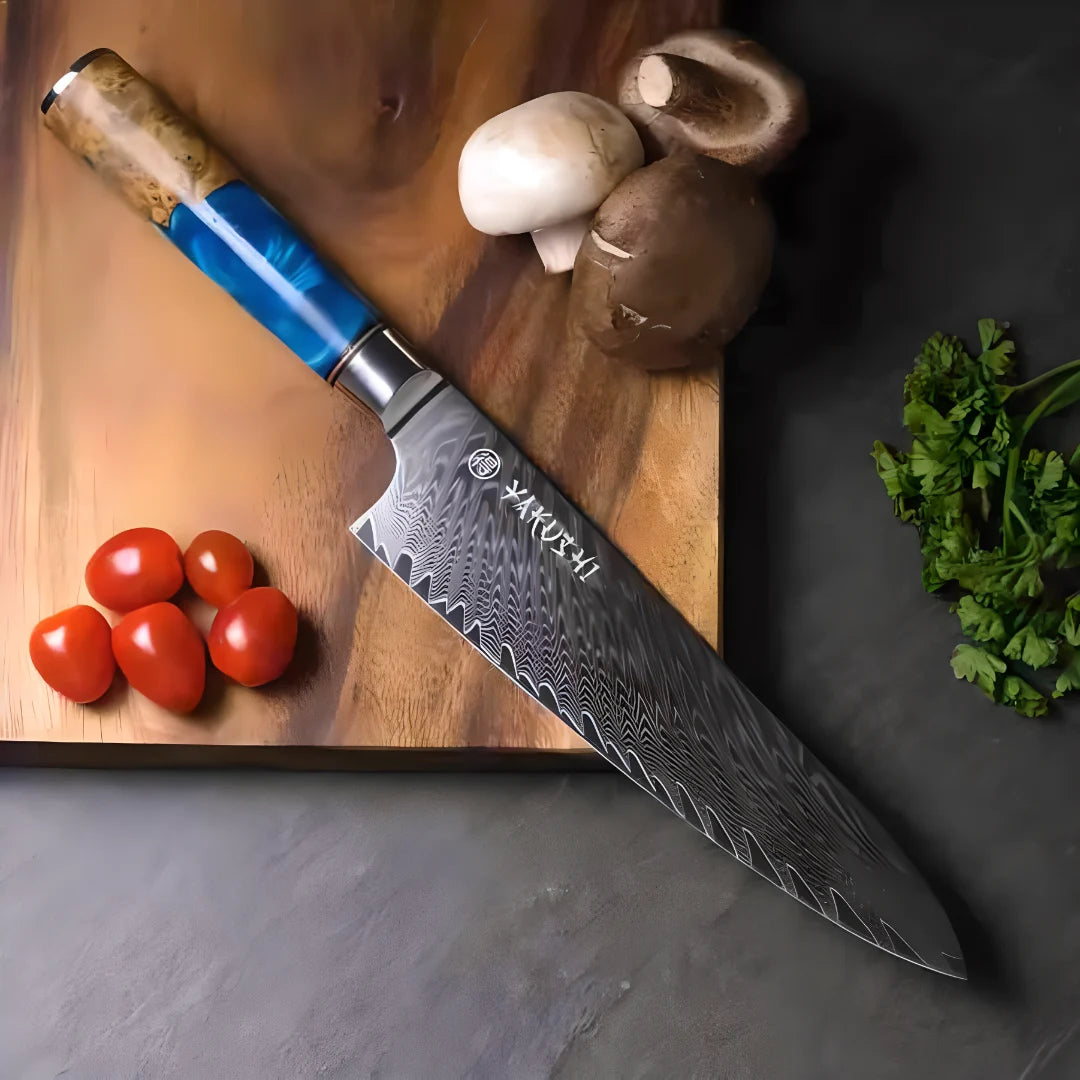
Yakushi gyuto knives were created to eliminate that frustration. These knives help you achieve precise cuts faster, easier, and without the steep learning curve of traditional carbon steel Japanese knives. The gyuto—the Japanese equivalent of a Western chef’s knife—combines a pointed tip for detailed work, a gently curved belly for rocking cuts, and thin blade geometry that reduces resistance through ingredients. The Yakushi gyuto is also easy to sharpen, making it ideal for beginners who want a low-maintenance blade.


At Yakushiknives.com, the focus is on making authentic Japanese steel accessible to beginners who want professional results without professional complications. Using a high-quality Japanese chef's knife like the Yakushi gyuto can significantly enhance your cooking experience by improving precision and efficiency. For best results, beginners should pair their first quality gyuto knife with a 1000-grit whetstone to practice maintenance skills early on.

Why Yakushi Gyuto Knives Work for Beginners

Here’s what makes Yakushi different from typical first Japanese knife options:

  • Excellent rust resistance from VG-10 steel – Yakushi offers different steel types, each with unique properties for edge retention and rust resistance. The VG-10 stainless steel core is rust resistant, making it ideal for beginners as it forgives maintenance mistakes and doesn’t demand constant drying or oiling like high carbon steel alternatives.
  • Lightweight design between 150-200 grams – Reduces hand fatigue during long prep sessions compared to Western chef knives that often exceed 280 grams
  • Ready-to-use sharpness straight from Yakushiknives.com – No setup or initial sharpening required; the sharp edge is factory-finished and ready for chopping vegetables immediately
  • Traditional Japanese craftsmanship at accessible prices – 67 layers of Japanese Damascus steel with softer stainless steel layers surrounding a VG-10 core deliver aesthetic appeal and structural integrity. The stainless steel bolster enhances durability, balance, and provides a seamless transition between the handle and blade for improved handling.
  • Balanced blade geometry for easier control – Double bevel edges at 12-15° per side create precise cuts while remaining manageable for beginners to maintain

Stainless steel blades are recommended for novices because they are rust-resistant and more forgiving than high-carbon steels.


Proper care and regular sharpening are essential to maintain the performance and sharpness of your Gyuto knife.


Instead of forcing you to choose between expensive professional chefs’ tools or disappointing mass-market options, Yakushi gives you a versatile chef’s knife that grows with your skills.

How to Choose Your First Yakushi Gyuto

Getting results doesn’t require complexity. The selection process is straightforward when you focus on three key decisions.

Step 1: Determine Your Ideal Blade Length

Your blade length affects control, versatility, and comfort across most tasks.

210mm (8.2 inches) is the sweet spot for beginners. This size handles large cuts of meat, sheets vegetables efficiently, and maintains enough maneuverability for intricate tasks. It stores safely in standard knife blocks and feels controlled even with smaller hands.

180mm options work better for home cooks with smaller hands or those who prioritize nimble movements for detailed work over large-volume prep.

240mm options suit larger kitchen surfaces and frequent slicing tasks. Professional chefs often prefer this length for the additional knuckle clearance and efficiency when processing large quantities. Yakushi offers a well-reviewed VG-10 Damascus 240mm gyuto for those ready for more blade.

Step 2: Select the Right Steel Type

Your blade material determines maintenance requirements and edge retention.

VG-10 stainless steel delivers the ideal balance for beginners. This Japanese steel reaches 60-62 on the Rockwell scale—hard enough for excellent edge retention but stainless enough for rust resistance. You get a sharp edge that lasts weeks with just occasional honing, without the constant attention white steel or other carbon steel options demand.

Yakushi’s Damascus line features a VG-10 core surrounded by 67 layers of pattern-welded steel. This construction provides both the cutting performance of premium Japanese knives and the practical durability beginners need.

Carbon steel alternatives (like Aogami Super or white steel) offer easier sharpening and potentially sharper edges, but require more maintenance—immediate hand washing, thorough drying, occasional oiling to prevent rust. Most users should master stainless before considering carbon.

Step 3: Choose Handle Style and Set Your Budget

Your handle material and style affect comfort, balance, and care requirements.

Wa handles (traditional Japanese style) use lightweight wood in octagonal or D-shaped profiles. These shift balance toward the blade, favoring precise cuts and the pinch grip technique. Yakushi’s walnut wa handles require occasional treatment with food-safe oil but provide authentic Japanese knife feel.

Western-style handles offer more familiar grip for those transitioning from Western chef’s knife designs. Yakushi’s hybrid handles often use durable materials like G10 with full-tang construction and triple rivets for longevity.

For budget, expect mid-range pricing for quality Yakushi gyuto knives—significantly less than premium brands like Shun or Miyabi while delivering comparable performance. Start with a 210mm model that matches your handle preference, then expand your collection as your skills develop.

What Makes Yakushi Different from Other Japanese Knife Brands

Most alternatives focus on features. Yakushi focuses on beginner success.

Curated selection eliminates overwhelm – Instead of dozens of confusing options, Yakushiknives.com guides you toward the gyuto, santoku knife, or nakiri knife that actually fits your kitchen tasks

Detailed care instructions with each knife – Video guides and written resources specific to your model help you maintain that sharp edge without confusion about sharpening angle or technique

Quality control ensures consistent performance – Every knife undergoes evaluation for grind consistency, handle junction fit, blade straightness, and edge performance before shipping

If other knives offer complexity, Yakushi offers clarity. If other brands require expertise, Yakushi provides guidance. The result is a high quality knife that performs from day one while teaching you proper care along the way.

Real Results from Beginning Home Cooks

Results speak louder than claims.


“Held an edge through three weeks of professional use with only honing. The balance and comfort during long prep sessions exceeded expectations for this price point.” — Verified Customer, 240mm VG-10 Damascus Gyuto


“Went from cheap knives to real Japanese knives. It’s lighter than other 240mm gyutos I’ve tried, and the control is immediately noticeable. This knife punches above its weight class.” — Verified Customer, Yakushi Damascus Collection


Users consistently report being surprised by the performance-to-price ratio. The combination of 150-200 gram weight, 2.0mm blade thickness behind the edge, and factory sharpness delivers a cooking experience that significantly enhances daily meal preparation.

Prep time reductions of 30-40% are common when switching from dull Western knives. More importantly, cooking becomes enjoyable rather than frustrating when your gyuto glides through ingredients instead of crushing them.

Who Yakushi Gyuto Knives Are Perfect For

Yakushi gyuto knives are ideal for:

Home cooks transitioning from basic Western knives – You want Japanese quality and precision without the intimidating maintenance requirements of traditional carbon steel

Culinary students seeking professional-grade tools – Your budget is limited but your standards aren’t; a versatile tool that performs at professional levels matters more than brand prestige

Gift buyers looking for meaningful presents – A first Japanese knife is a valuable addition to any cooking enthusiast’s kitchen, and Yakushi’s combination of beauty and performance makes an informed choice easy

If you want precise cuts, excellent value, and a knife that teaches you proper care without punishing mistakes, this was built for you.

Top Yakushi Gyuto Recommendations by Budget

Choose the knife that matches your current skill level and growth goals.

Entry Level – Perfect for First-Time Japanese Knife Users

Ideal for home cooks making their first move to Japanese knives.

Features VG-10 stainless steel core with Damascus pattern, 210mm blade length, and your choice of handle style. Includes care instructions and arrives ready to use with factory-finished edge.

Maintenance requires only hand washing, immediate drying, and occasional honing. No frequent sharpening needed for typical home use.

Great value for those testing whether Japanese knives fit their cooking style.

Mid-Range – For Developing Serious Cooking Skills

Designed for cooks ready to invest in their kitchen confidence.

Enhanced features include premium handle materials, refined blade geometry, and optimal balance for extended prep sessions. The VG-10 core delivers excellent edge retention while the 67-layer Damascus construction adds structural integrity and aesthetic appeal.

Everything from entry level plus superior fit and finish, longer edge retention, and enhanced comfort during intensive use.

Premium – For Aspiring Home Chefs

Professional-grade performance for dedicated home cooks.

Features top-tier VG-10 construction with meticulous attention to grind consistency, hand sharpened final edge, and premium handle materials. Weight distribution optimized for effortless control across all cutting tasks.

Includes specialized care guidance and represents the indispensable tool serious cooks rely on daily.

Cutting Techniques Every Beginner Should Know

Learning a few fundamental cutting techniques can transform your confidence and efficiency in the kitchen, especially when using a gyuto knife or santoku knife. Start with the basics: slicing, dicing, chopping, and mincing. For slicing, hold your knife at a gentle angle and use a smooth, forward-and-back motion to glide through ingredients. Dicing involves first slicing, then turning the food and cutting it into uniform cubes, often using a gentle rocking motion with your santoku or gyuto.


Chopping is a more forceful technique, ideal for breaking down larger items into smaller pieces, while mincing requires repeated, fine cuts to achieve a delicate texture—perfect for herbs or garlic. As you practice, remember the “three virtues” of Japanese cutting: the harmony between your knife, the cutting board, and the ingredient. This balance ensures clean cuts, preserves ingredient integrity, and keeps your prep work efficient.


By mastering these techniques with your gyuto or santoku, you’ll not only improve your knife skills but also make meal prep safer and more enjoyable. With a little practice, these foundational moves will become second nature, helping you get the most out of your Japanese knives.

Care and Maintenance for Your Yakushi Gyuto

To keep your Yakushi Gyuto—or any Japanese knife—performing at its best, proper care is essential. After each use, wash your knife by hand with mild soap and water, then dry it thoroughly to prevent rust from forming on the blade. Never put your knife in the dishwasher, as the high heat and harsh detergents can damage both the steel and the handle.


Maintaining a sharp edge is key to safe and effective cutting. Regular sharpening with a whetstone or sharpening steel will keep your gyuto razor sharp and ready for any kitchen task. Always sharpen in the same direction as the blade’s edge, and follow the care instructions provided to ensure you’re using the correct technique.


To further prevent rust, apply a light coat of oil to the blade if you won’t be using the knife for an extended period. Store your knife in a dry place—ideally in a protective case or on a magnetic knife strip—to protect both the blade and its aesthetic appeal. With regular sharpening, proper care, and mindful storage, your Yakushi Gyuto will remain a sharp, reliable, and beautiful tool in your kitchen for years to come.

Faqs on Choosing the Best Gyuto for Beginners

How long does a Yakushi gyuto stay sharp with regular home use?


With typical home cooking frequency—daily meal prep for a household—expect your sharp edge to perform well for several weeks to months before requiring sharpening. Customer reports indicate the VG-10 Damascus models maintain excellent performance through three weeks of professional use with only honing. Home use is lighter duty, extending that timeline significantly.

Edge retention depends on your cutting board material (use wood or soft plastic, never glass or stone), proper technique (avoid bone, frozen foods, and lateral twisting), and regular sharpening maintenance with a ceramic rod.


Do I need special skills to maintain these knives?


No expert skills required. Basic maintenance involves:

  • Hand washing immediately after use (never dishwasher)
  • Thorough drying before storage to prevent rust
  • Occasional honing on a ceramic rod to maintain the edge longer
  • Regular sharpening every few months using a whetstone at the correct sharpening angle (12-15° per side)

Yakushiknives.com provides care instructions and video guides specific to your knife model. The learning curve is minimal—most users develop proper care habits within the first week.


What’s included with my Yakushi knife purchase?


Your knife ships from the US with 1-2 business day processing. Each knife arrives with proper packaging and factory-sharpened edge ready for immediate use.

Yakushi stands behind their products with customer satisfaction guarantees. Check Yakushiknives.com for current warranty terms and return policy details.


Can left-handed users use these gyuto knives effectively?


Yes. Yakushi gyuto knives feature double-bevel edges symmetrically ground on both sides, making them equally effective for left handed users and right handed users. The blade geometry doesn’t favor either hand.

Handle preference becomes more relevant—D-shaped wa handles may feel differently for left-handed grip, while octagonal and western-style handles work comfortably for either hand. Personal preference should guide your selection.

Start Your Japanese Knife Journey Today

The difference between struggling through meal prep and enjoying it often comes down to one tool: the right gyuto knife.

A Yakushi gyuto gives you razor sharp performance, excellent rust resistance, and the kind of precision that transforms chopping vegetables from a chore into a pleasure. You’ll prep faster, cut cleaner, and finally understand why professional chefs insist on Japanese steel.

Visit Yakushiknives.com today and choose the gyuto that matches your kitchen needs.

Free shipping available. Satisfaction guaranteed. Customer support ready to help beginners select their perfect first Japanese knife.

Your cooking experience deserves better than dull blades and crushed tomatoes. Make the switch to a gyuto that actually performs.