11-inch blade
The long blade gives you enough travel to draw from heel toward tip through a portion of fish in one controlled stroke.
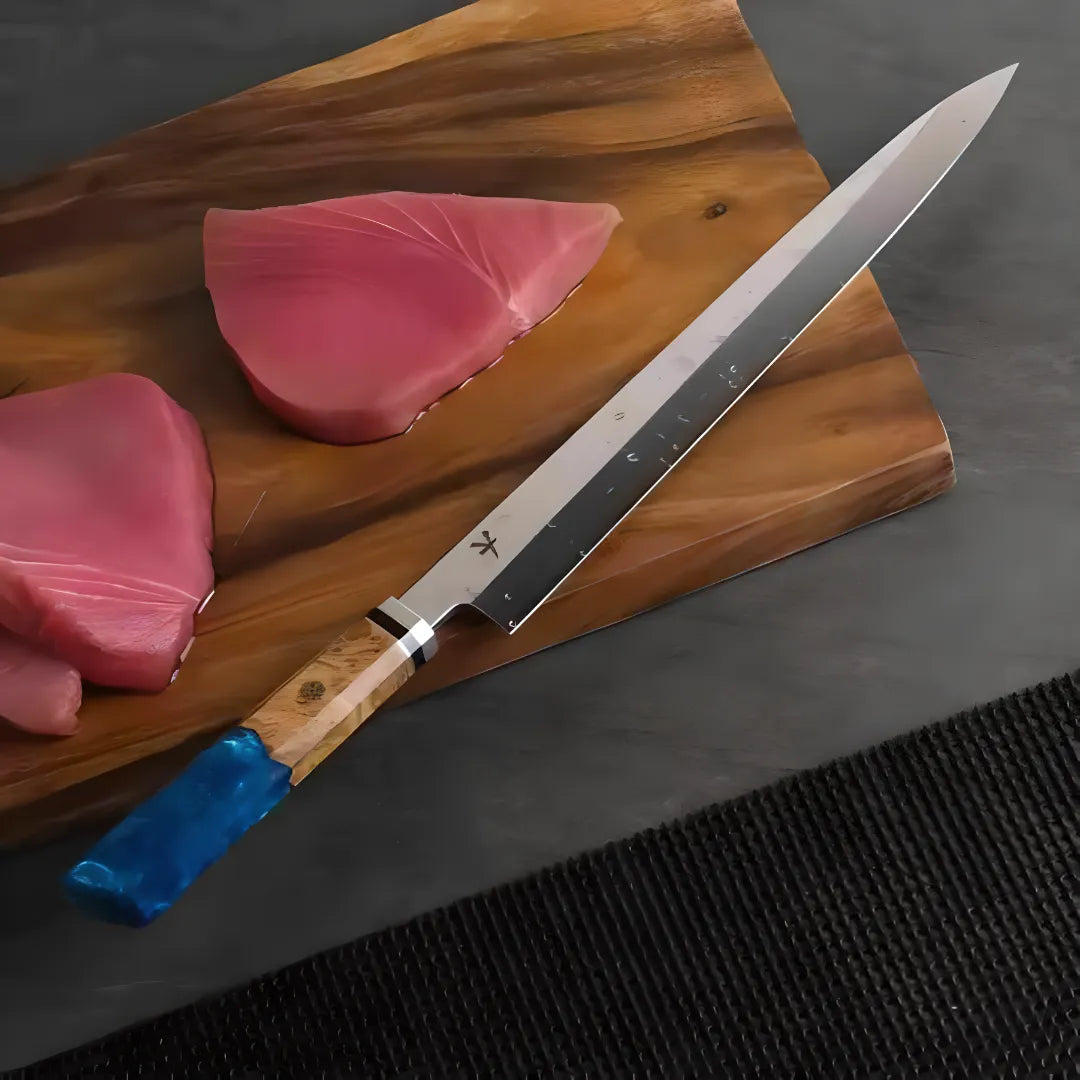
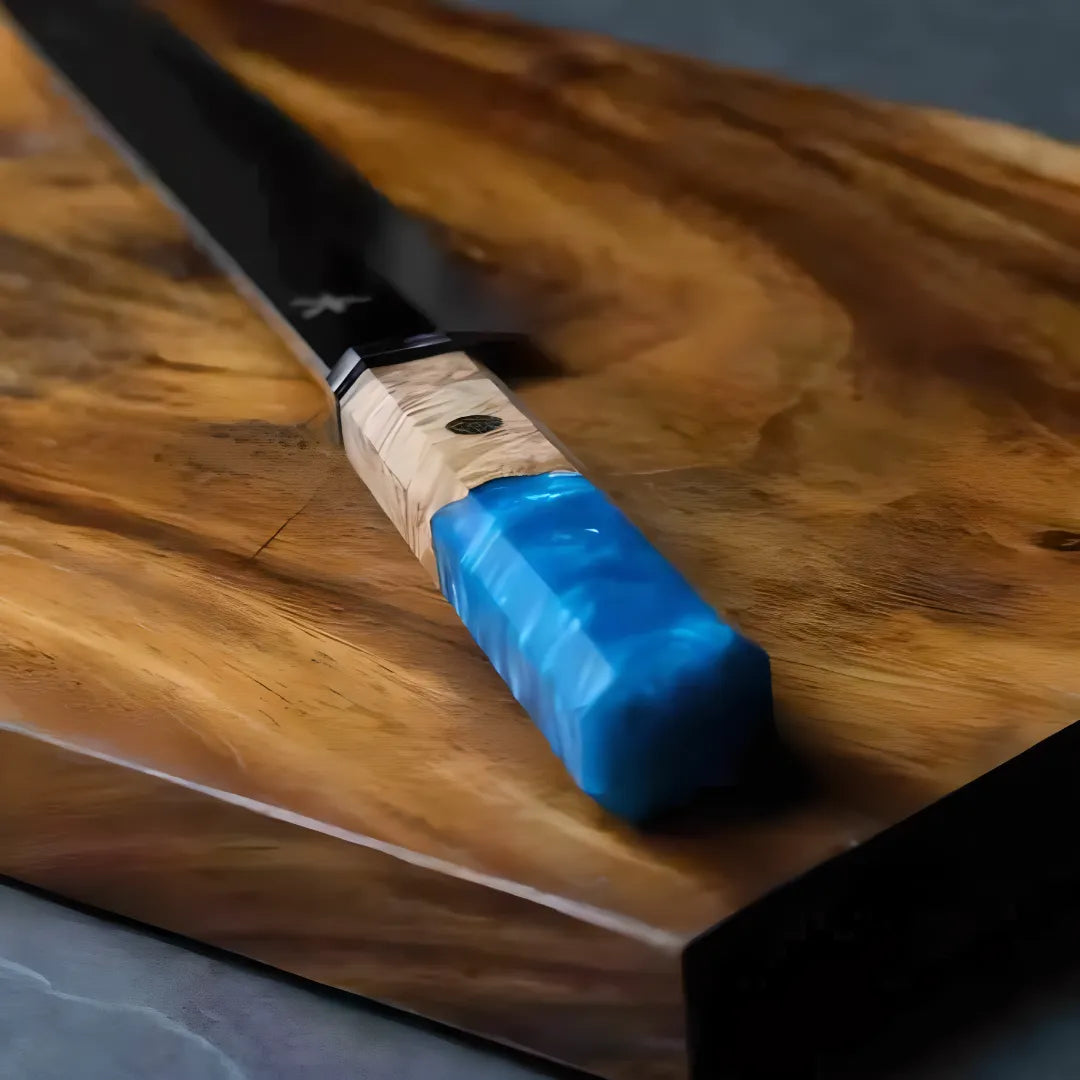
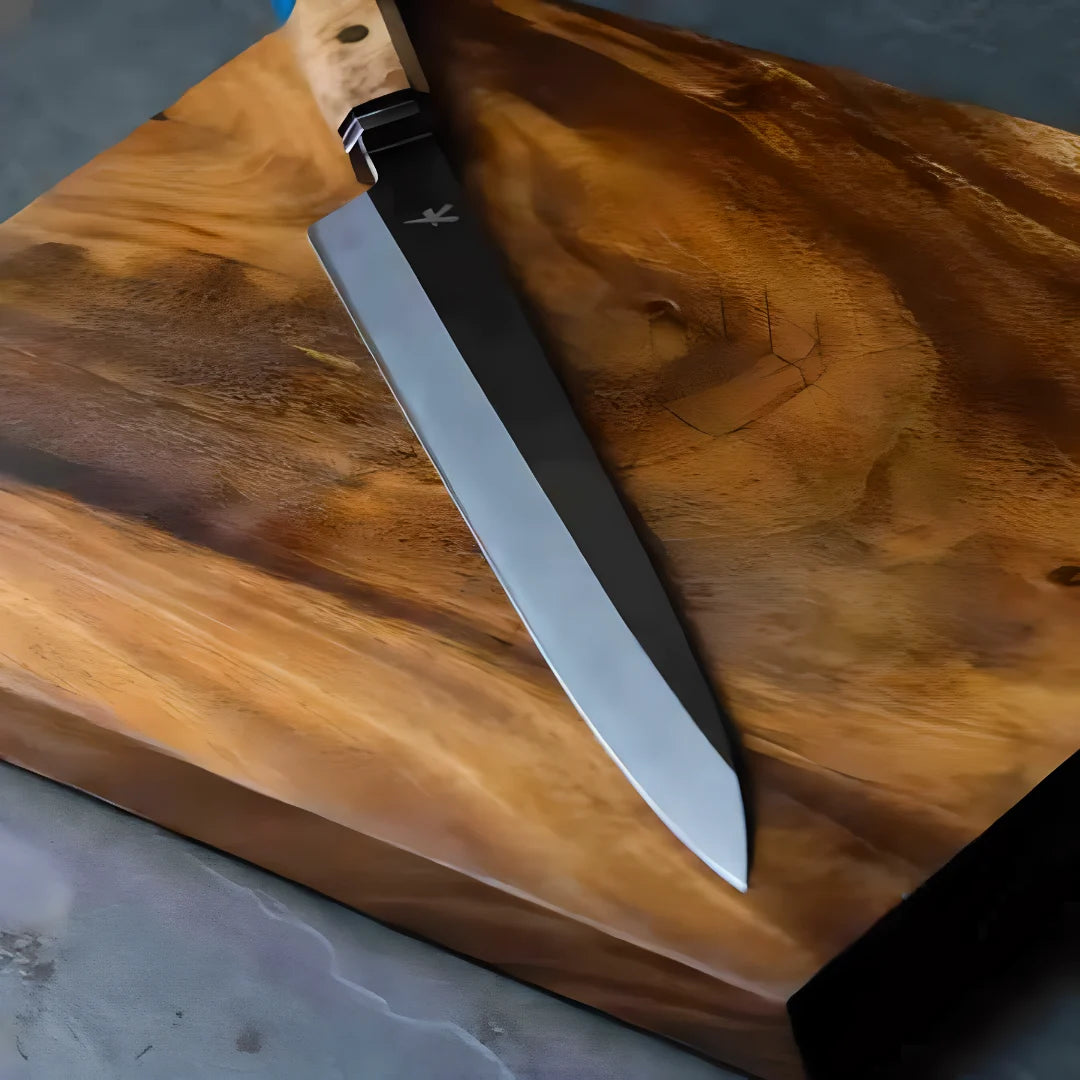
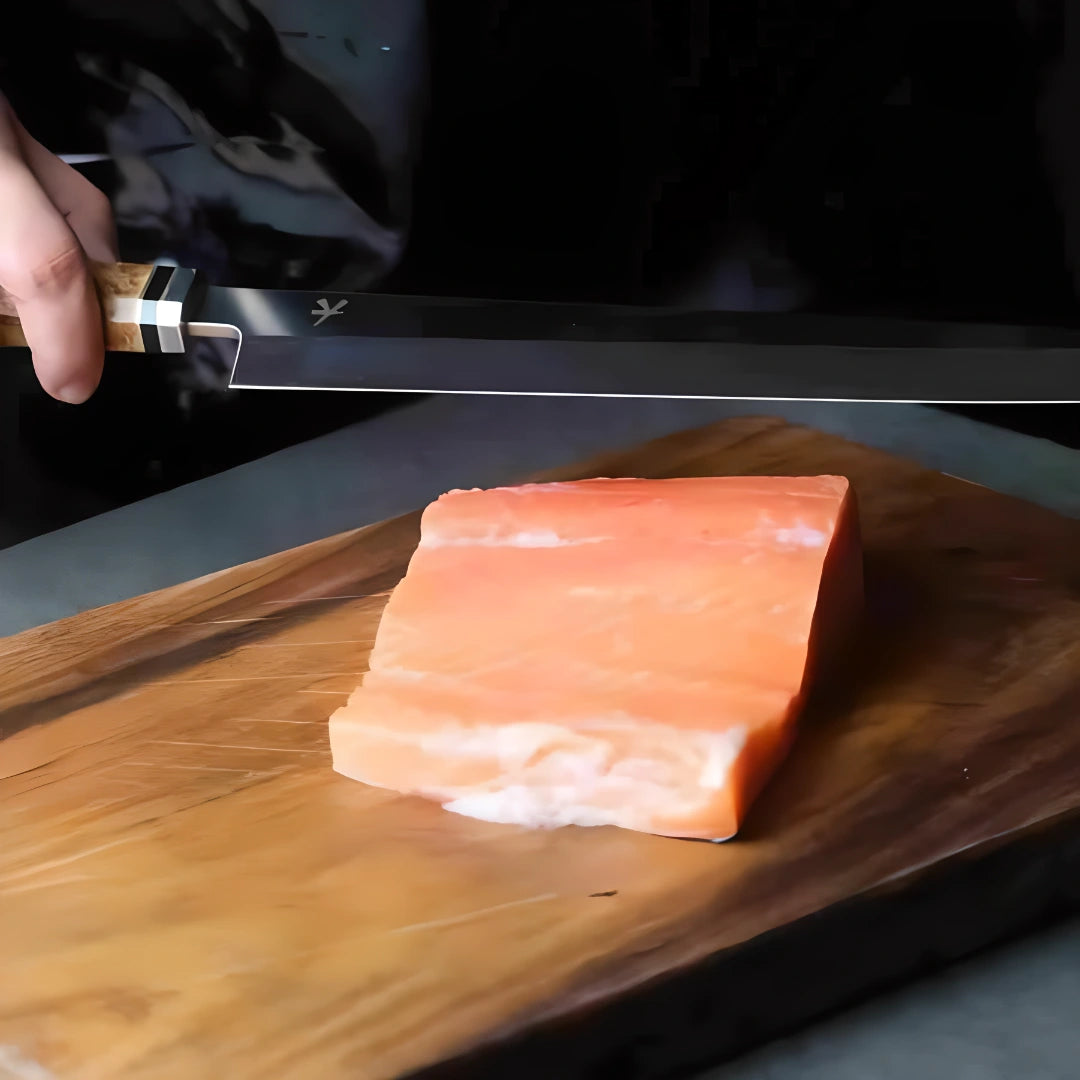
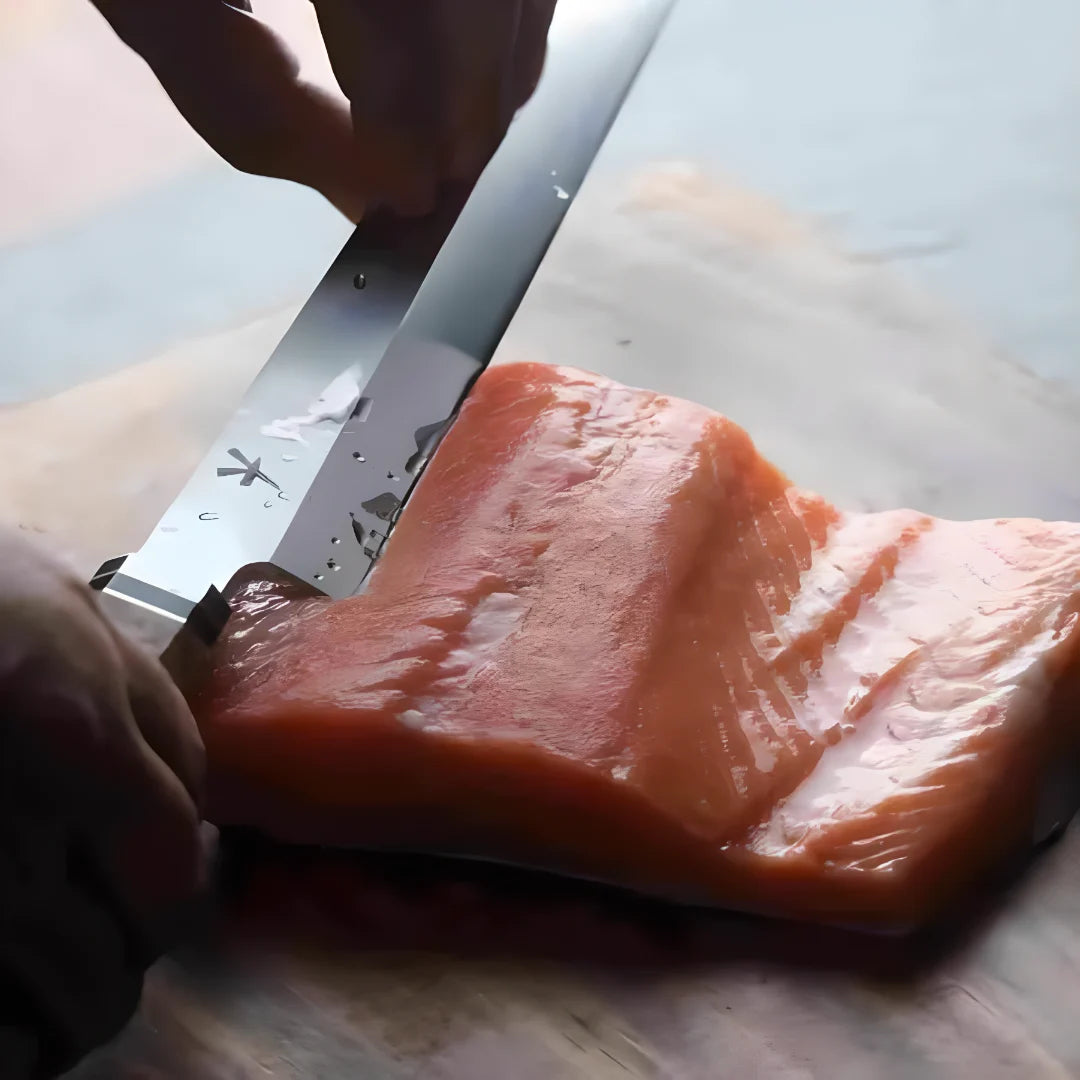
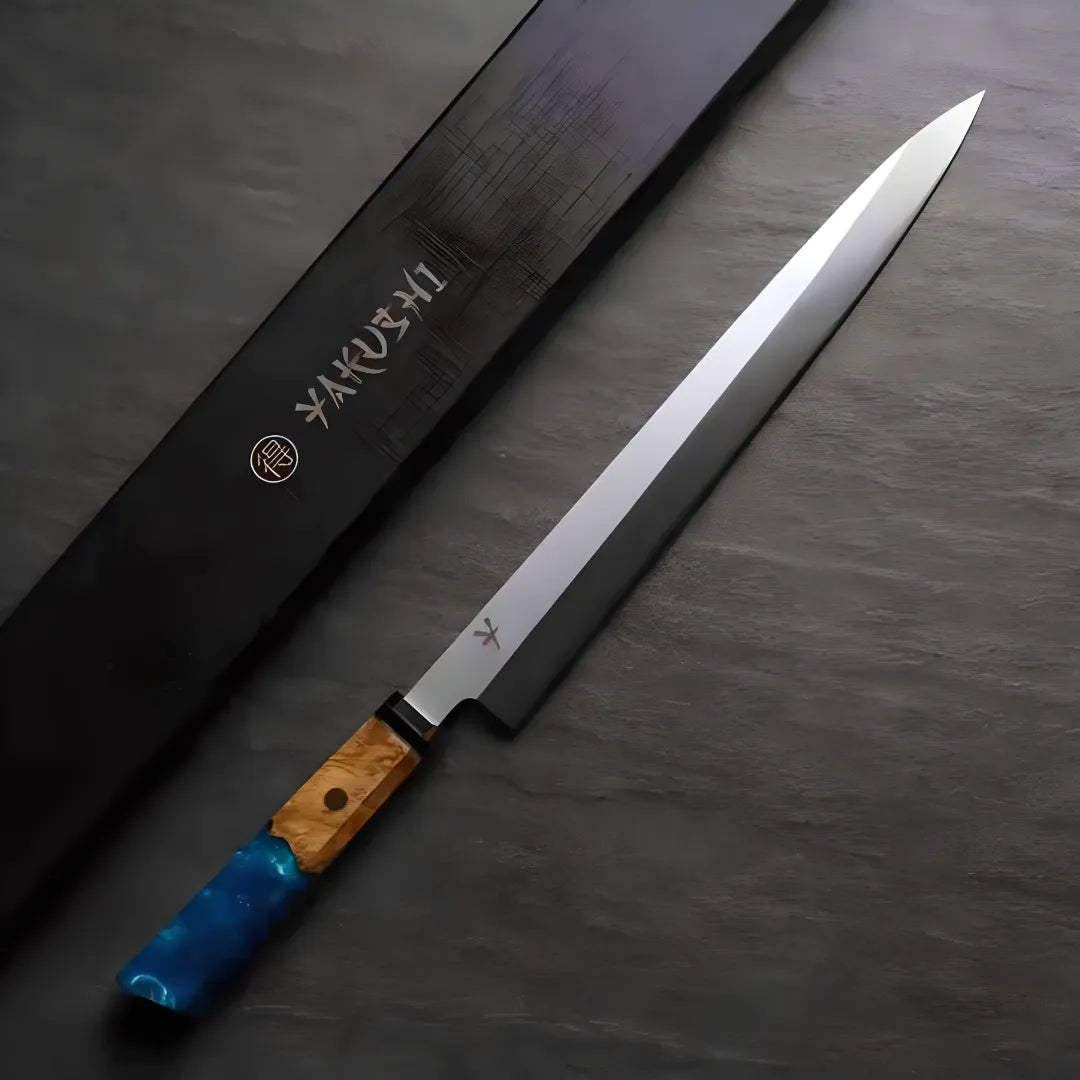
11-inch single-bevel Yanagiba for clean, single-stroke sashimi slicing.
Create smooth, precise slices of sashimi, nigiri, and delicate seafood with an 11-inch blade designed for controlled pull cuts.


Orders are processed and shipped within 1–2 business days. Estimated delivery after dispatch:
Tracking details are emailed as soon as your order ships. International shipping charges are shown at checkout. Carrier delays may occasionally occur outside our control.
Try your knife at home with our 15-day satisfaction guarantee. If you’re not completely satisfied, contact us within 15 days of ordering to arrange a return and full refund.
Your knife is also covered by a 3-month warranty. If you experience a workmanship or quality issue, contact us with your order number and photos so we can help.
View our full Return Policy.
Built for the pull cut
The Yakushi™ Yanagiba Sashimi Knife is a specialist slicer—not a general-purpose chef knife. Its 11-inch blade, single-bevel edge optimized for right-handed use, 67-layer Japanese Damascus steel, and 245 g weight support long, controlled pull cuts through boneless fish and other delicate proteins.
Specialist geometry
The combination of a long slicing blade and single-bevel edge creates a distinct cutting motion and requires a different sharpening approach from a typical double-bevel kitchen knife.
The long blade gives you enough travel to draw from heel toward tip through a portion of fish in one controlled stroke.
This is not the symmetrical double-bevel geometry used on most general-purpose kitchen knives. It requires its own handling and sharpening technique.
This Yanagiba is configured for right-handed use. Left-handed cooks should choose a purpose-built left-handed single-bevel knife or a compatible double-bevel slicer.
Use the blade as intended
Let the length do the work
Position the heel of the blade against a boneless portion of fish while keeping your guide hand safely clear of the cutting path.
Pull the blade smoothly toward you, using the 11-inch length to complete the slice with as little back-and-forth movement as practical.
A Yanagiba is a slicer. Avoid turning the motion into a chop, rocking cut, or forceful saw through resistance.
Same knife, different quantity
Choose one, two, or three of the same Yanagiba. The single knife suits most home kitchens, while the multi-knife options work well for gifting, multiple workstations, or buyers who want matching knives.
The straightforward choice when you need one dedicated Yanagiba for your own sushi and sashimi preparation.
Useful when buying one to keep and one to gift, or when two separate prep stations need the same knife.
A practical option for gifting, multiple kitchens, or prep stations that need the same specialist slicer.
Preserve the single bevel
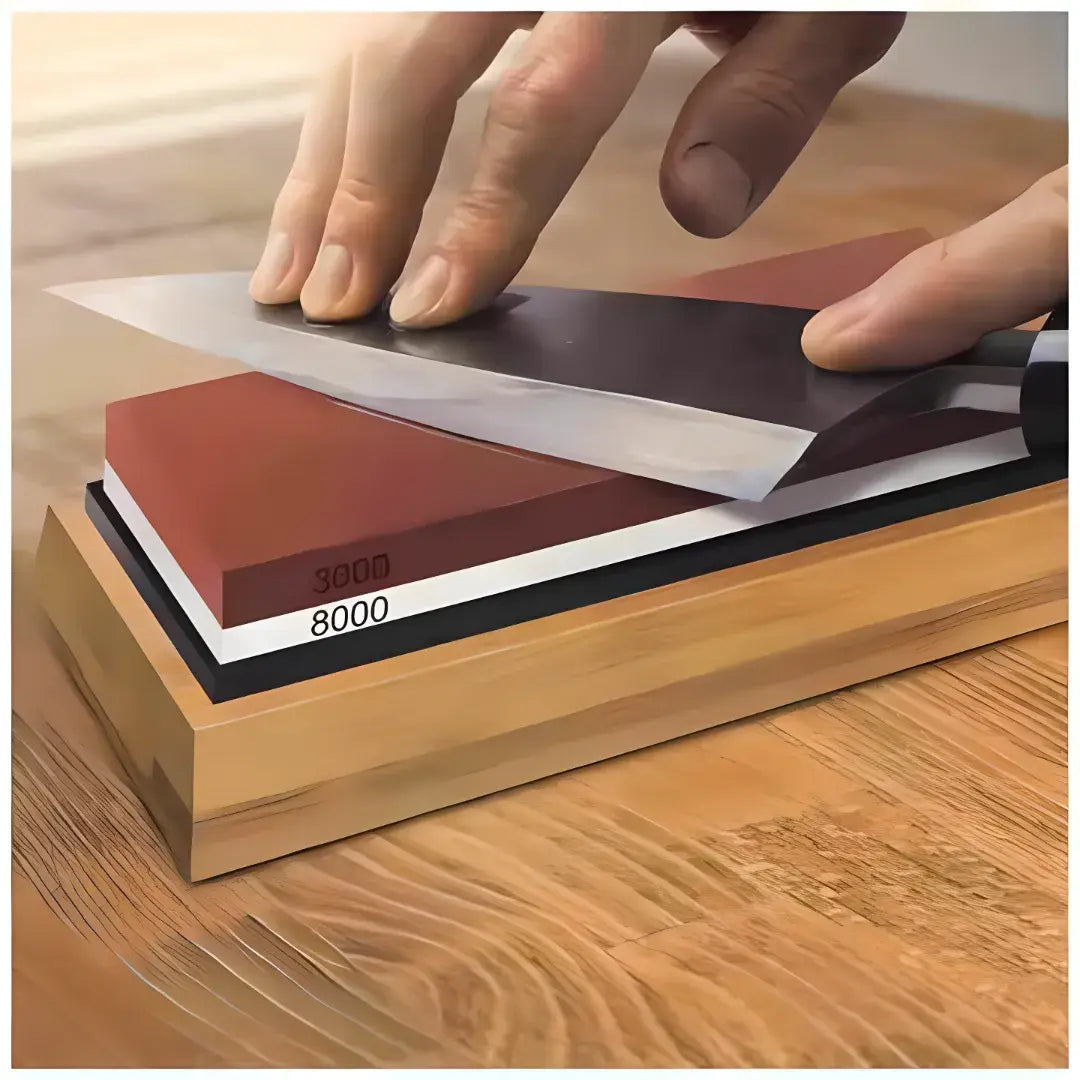
Hand-wash with mild dish soap and dry the knife immediately. Store it so the cutting edge cannot strike other utensils. When sharpening is needed, preserve the original single-bevel geometry with suitable whetstones or use a professional who is experienced with traditional Japanese single-bevel knives.
Explore coordinating cutting boards, storage, whetstones, sharpeners, and care guides for your sushi and sashimi setup.
Knife tradition and food safety
Quick answers
It is designed primarily for clean slicing through boneless fish for sashimi, nigiri, sushi preparation, crudo, and other delicate seafood. It can also be used for thin slices of other boneless proteins.
Yes. The knife has a single-bevel edge optimized for right-handed use.
The blade is 11 inches / 28.5 cm long. That extended length supports long pull cuts with less need for repeated sawing.
The blade features 67-layer Japanese Damascus steel construction.
This Yanagiba is configured for right-handed use. A left-handed cook should choose a purpose-built left-handed single-bevel knife or a suitable double-bevel slicer instead.
No. Avoid bones, fish heads, frozen food, hard ingredients, heavy chopping, twisting, and prying. A Yanagiba is a precision slicer rather than a fish-butchering knife.
Preserve the original single-bevel geometry with suitable whetstones and proper technique. If you are not comfortable sharpening single-bevel knives, use a professional sharpener experienced with traditional Japanese geometry.
Hand-wash it promptly with mild dish soap, dry it immediately, and store it where the edge cannot contact other utensils. Keep raw-seafood preparation surfaces and tools properly cleaned to reduce cross-contamination.
This specialist slicer is made for cooks who want a long, right-handed single-bevel knife for sashimi-style pull cuts—not a replacement for a chef knife, cleaver, or fish-butchering blade.
BUILT FOR THE PULL CUT
Cleaner Slices in a Single Stroke
The long 11-inch blade gives you the reach to draw from heel to tip through tuna, salmon, and other boneless seafood. Its single-bevel geometry supports controlled slicing with less sawing, helping preserve smooth texture and presentation.