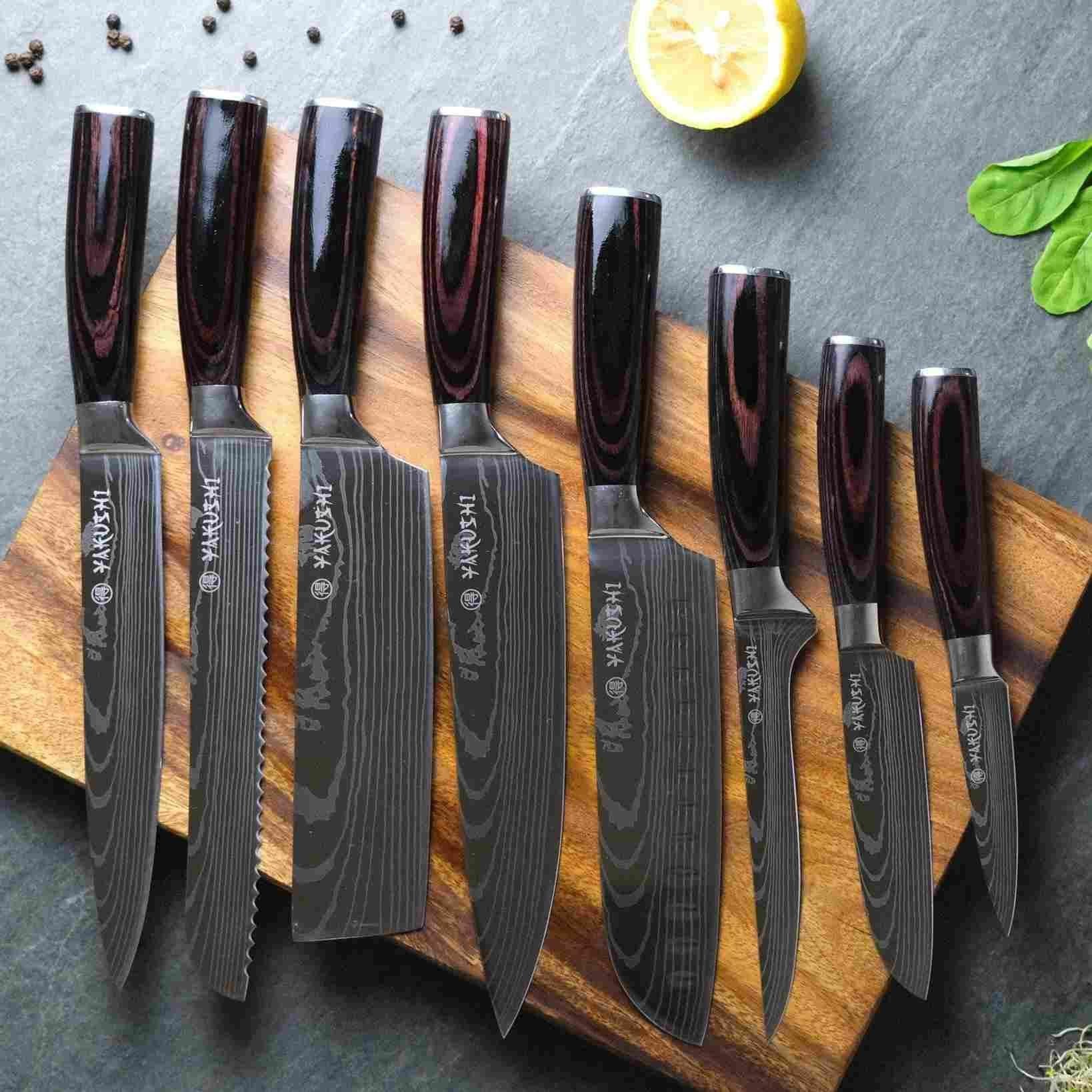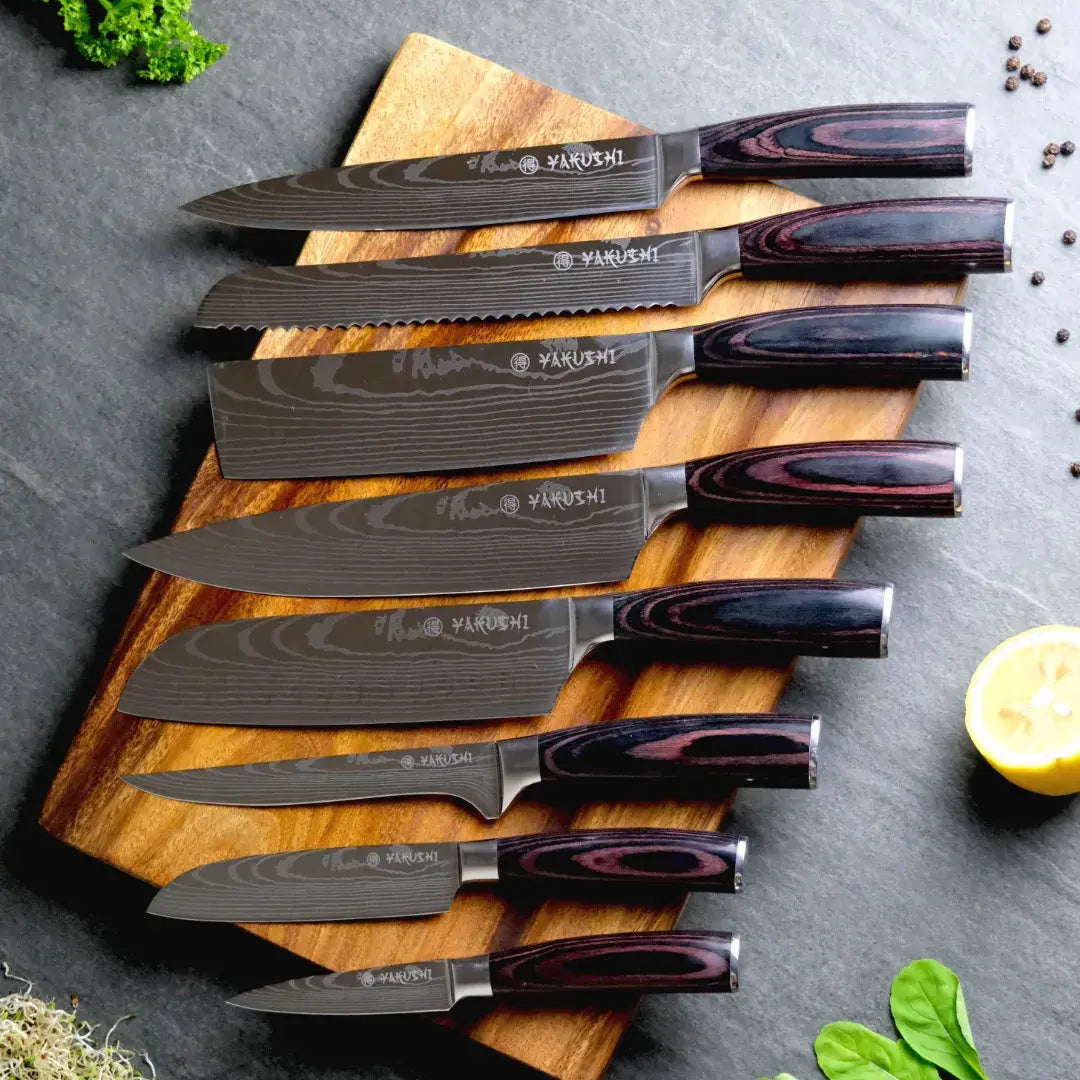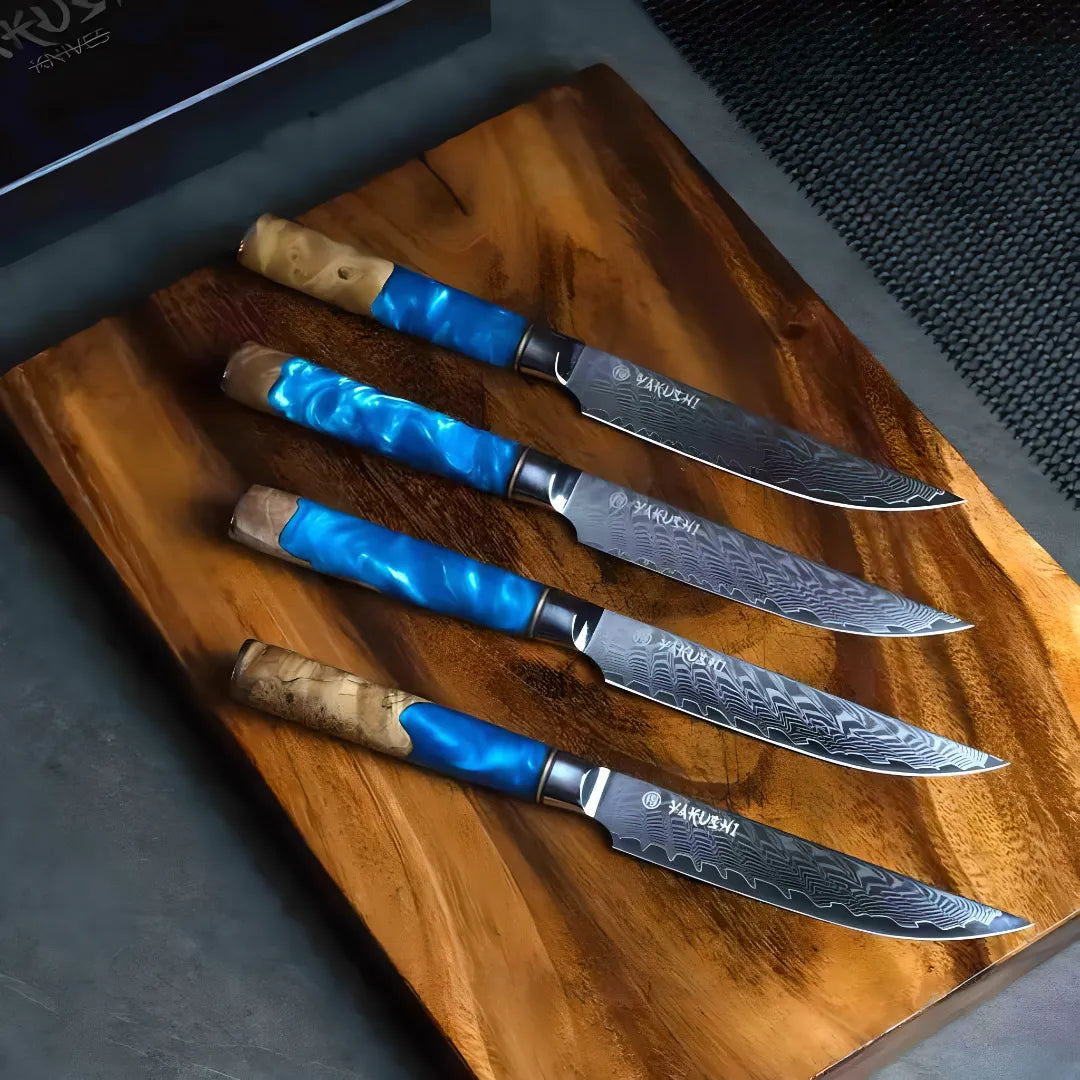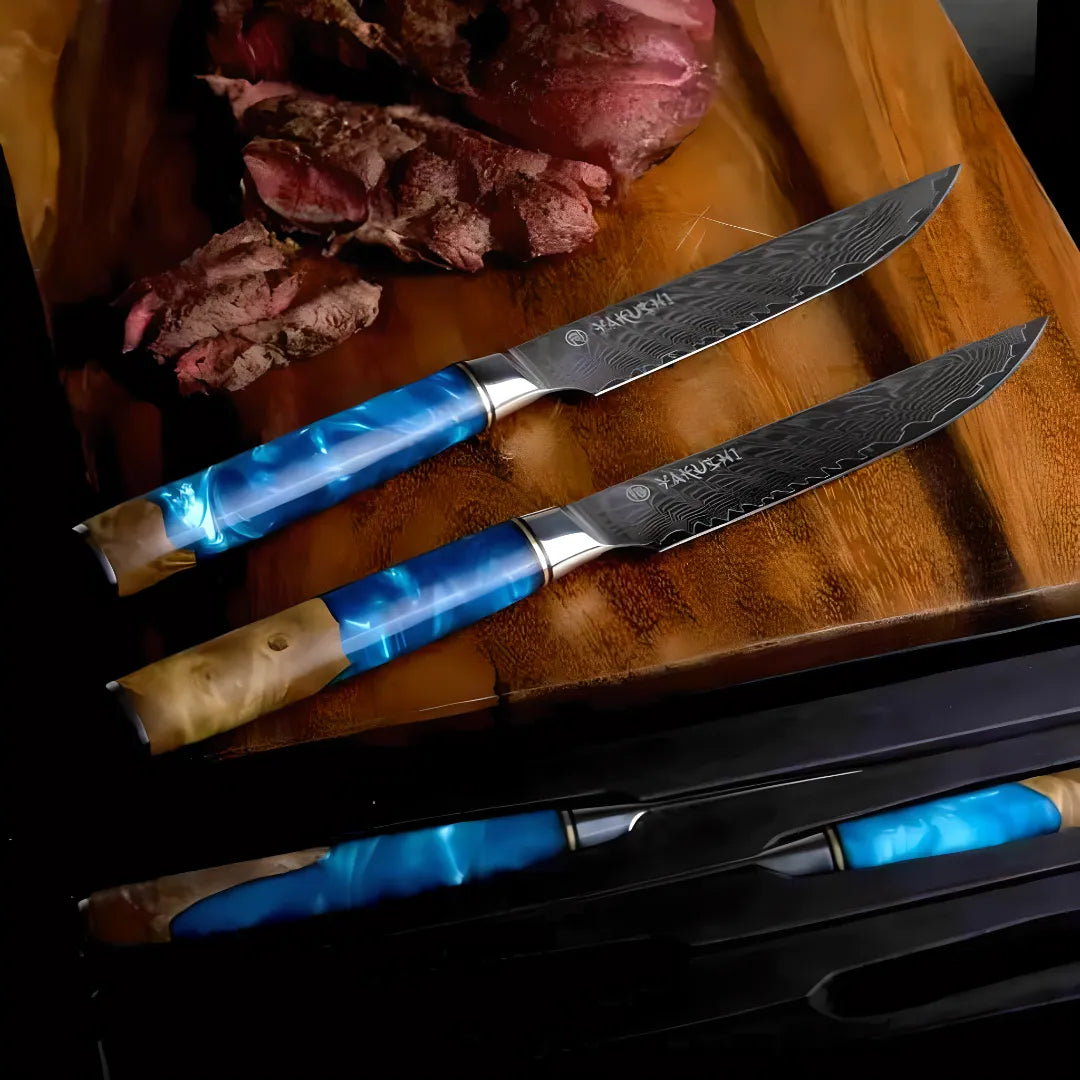
Yakuba Knives Set in Box

Professional Kitchen Knives Without the Professional Price Tag

5,000+ Customers Yearly

5,000+ Customers Yearly

3 Month Warranty

3 Month Warranty

Free USA Shipping

Free USA Shipping

Filters

Sort by:
I really like the traditional look. They have perfect balance and grip. Incredibly sharp as well!

Chef Rémi

The Knives are perfect and sharp! I love chopping vegetables with my family now!

Jess

I ordered the 5 Piece Set and it exceeds my expectations!

Chef Andrew

Professional Kitchen Knives Without the Professional Price Tag

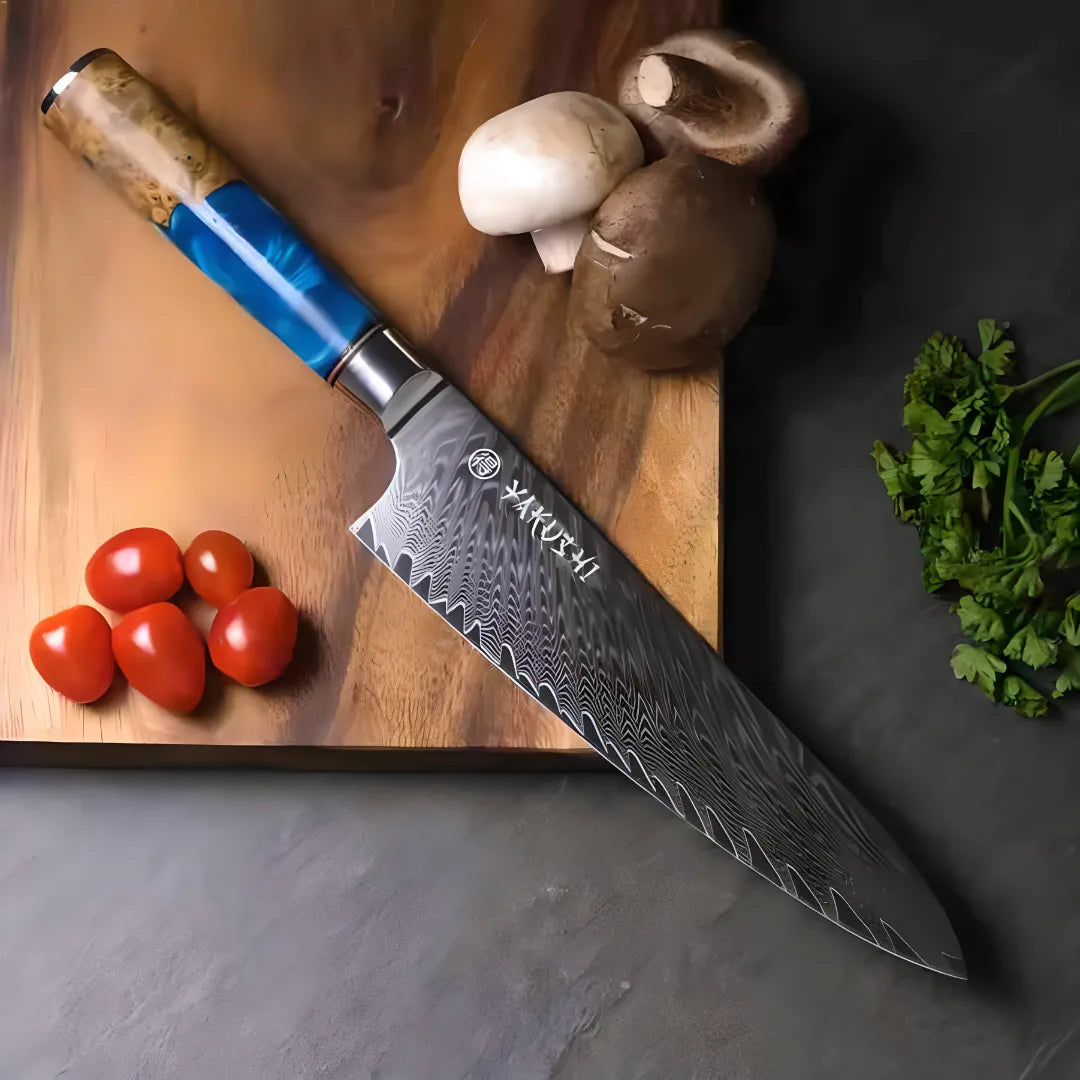
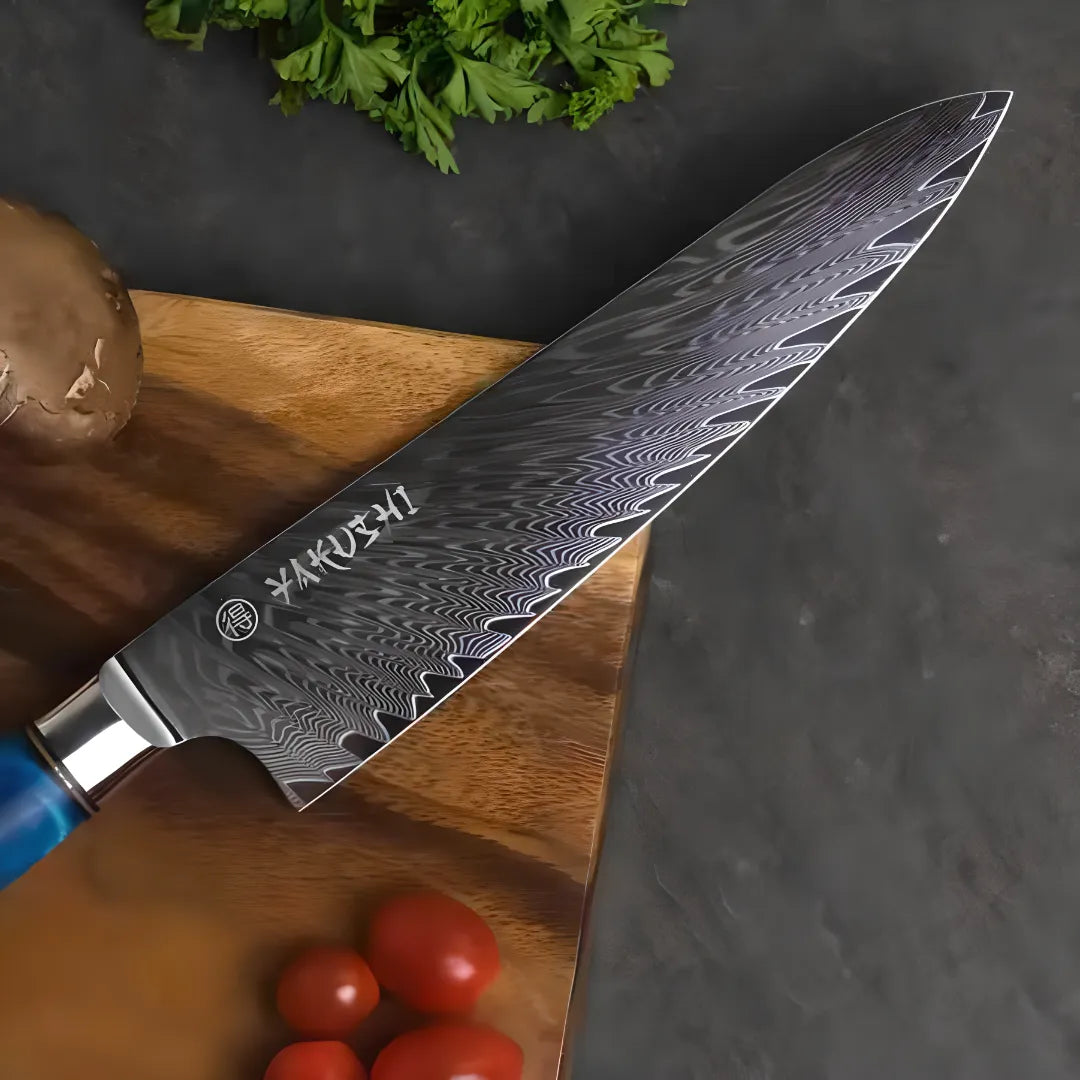
https://yakushiknives.com/cdn/shop/files/yakushi-damascus-steel-chef-knife-505339_901x.jpg?v=1722467317
https://yakushiknives.com/cdn/shop/files/yakushi-damascus-nakiri-knife-264984_750x750.jpg?v=1722467318
https://yakushiknives.com/cdn/shop/files/yakushi-full-set-8-pieces-638102_1638x.jpg?v=1722467292

Dull blades bruise your tomatoes, shred your herbs, and turn meal prep into a frustrating workout. If you’ve been forcing your way through vegetables with a knife that slips instead of slices, you already know the problem—and the danger. According to CPSC data, over 300,000 emergency room visits each year result from knife injuries, many caused by the extra force needed to compensate for dull edges.

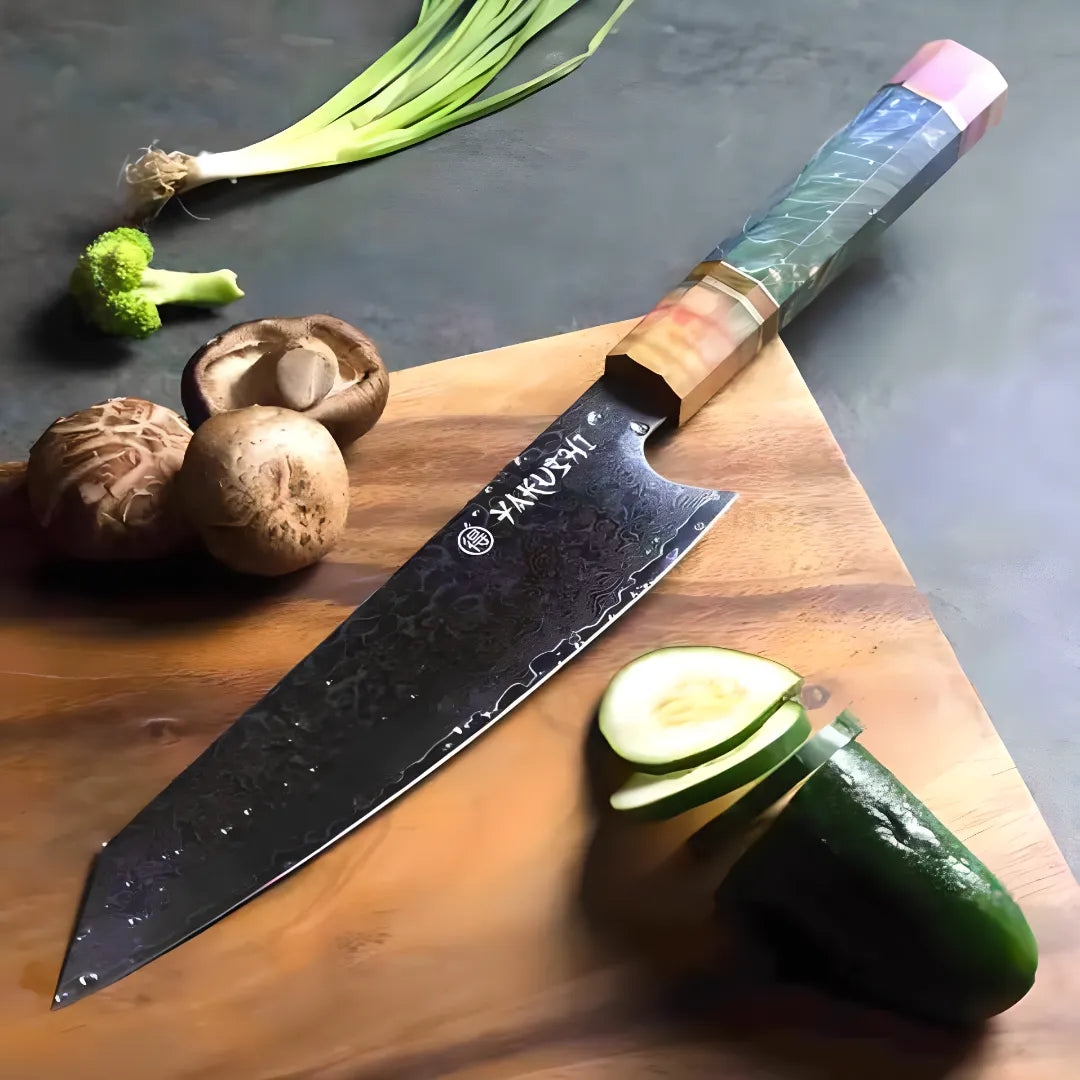
These japanese knives change everything. Drawing on centuries of tradition and artistry from Japan, especially renowned knife-making cities like Seki City and Sakai City, each knife is crafted with high carbon steel and hand-forged precision. They deliver the sharp edge and perfect balance that professional chefs rely on—without the professional price tag. Japanese knives are often forged from exceptionally hard steel, allowing them to maintain their sharp edge for prolonged periods. You don’t need culinary school training to experience clean slices through butternut squash or precise cuts through delicate fish. You just need the right kitchen knife.

With proper care, these blades maintain their sharpness for years, transforming your daily cooking from a chore into an art form. Explore our wide selection of kitchen knives and accessories to find the perfect fit for your cooking style and needs.

Why These Kitchen Knives Work

Here’s what separates quality cutlery from the mass-produced alternatives filling kitchen drawers everywhere:

High Carbon Steel Construction – VG-10 steel (59-61 HRC hardness) holds a sharp edge weeks longer than softer German stainless steel, meaning less time sharpening and more time cooking

Hand-Forged Blades with Precise Tempering – Each blade undergoes controlled heat treatment that optimizes hardness without sacrificing toughness, preventing chips and ensuring longevity

Full Tang Design – The steel extends through the entire handle, creating superior balance, control, and durability compared to partial tang knives where the handle-blade junction weakens over time

Ergonomic Handles – Contoured grips reduce hand fatigue during extended prep sessions, suitable for both smaller and larger hands

Leading brands like Yakushi offer a variety of knife series that combine aesthetics and performance, designed for optimal handling. These knife series often blend traditional craftsmanship with modern technology to deliver superior durability and style.

Easy Maintenance – Quality steel responds beautifully to regular honing and occasional sharpening, keeping your investment performing like new. Using sharpeners—manual or electric—is essential for maintaining sharpness and extending the lifespan of your knives. A honing steel can also help realign the edge between sharpenings for optimal cutting performance.

Understanding Steel Types:

VG-10 Steel – Japanese stainless with approximately 1% carbon and 15% chromium; excellent edge retention with good corrosion resistance

Damascus Steel – Layered construction combining a hard cutting core with softer outer layers; stunning aesthetics with exceptional performance

Carbon Steel – Reaches higher hardness (63-65 HRC) for the sharpest possible edge; requires more vigilant care but rewards you with precision that stainless steel simply cannot match

When to Choose These Knives

For Daily Meal Preparation

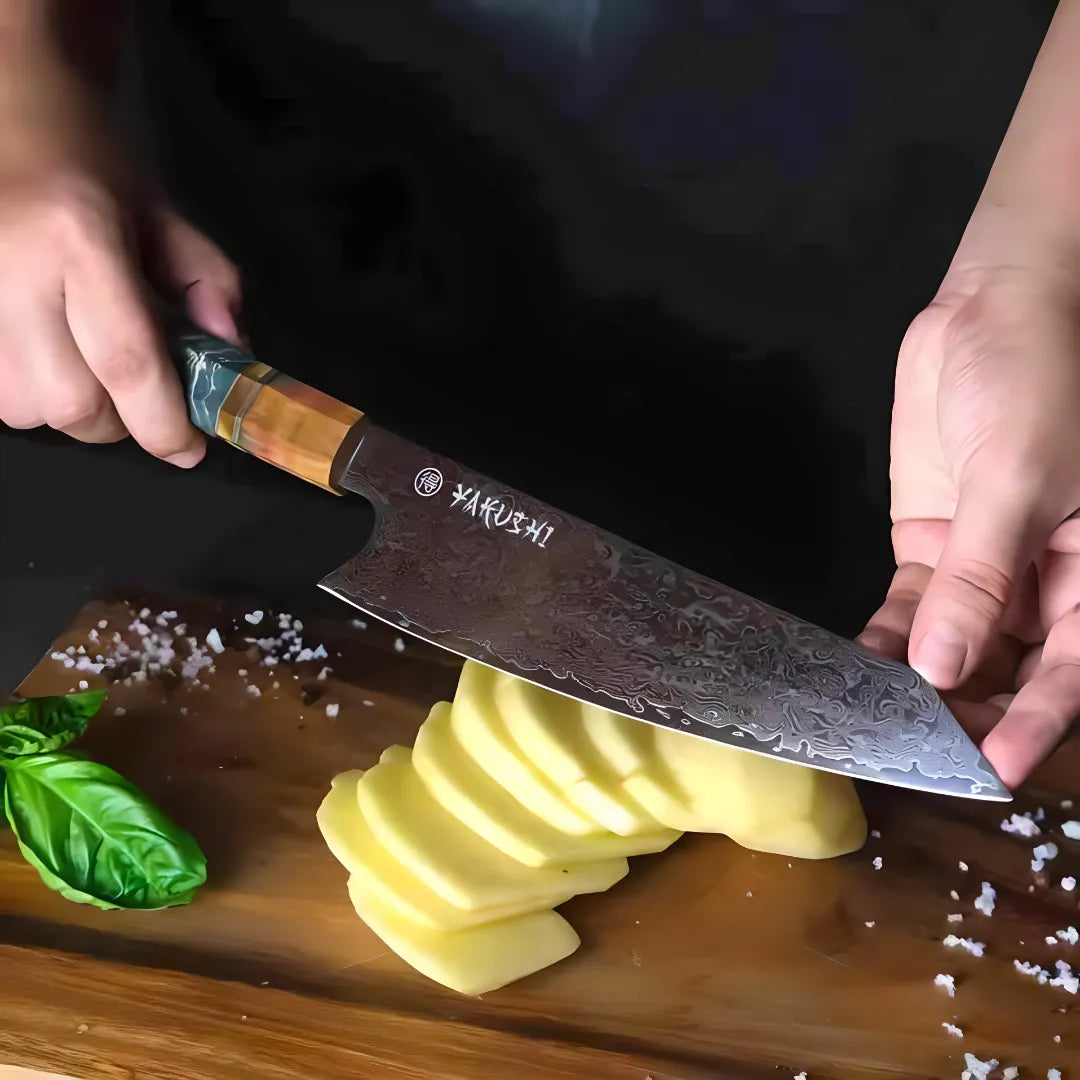
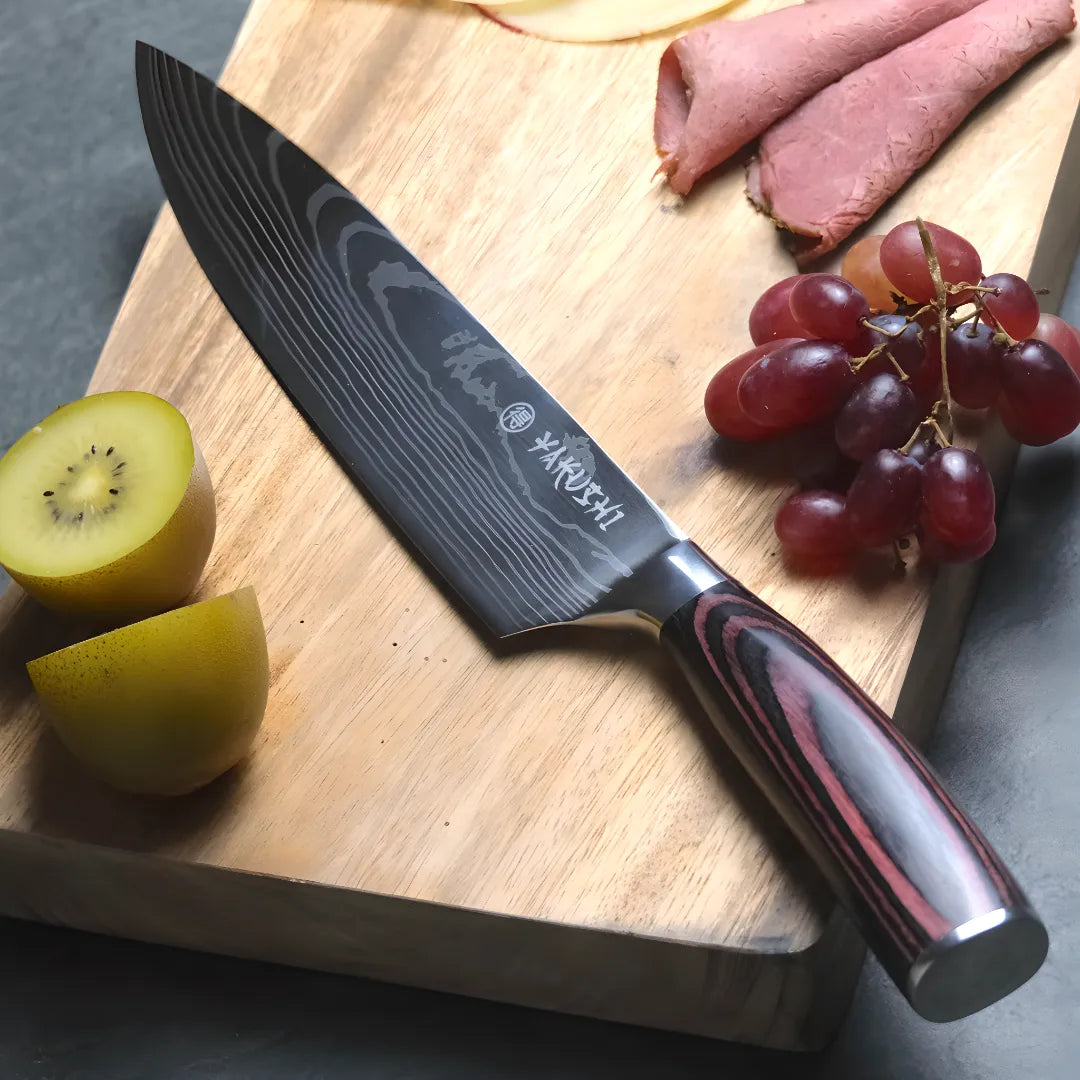
Your 8-inch chef’s knife handles 90% of kitchen tasks—chopping vegetables, slicing meat, dicing garlic, and mincing herbs. A quality blade at this length offers versatility that replaces several weaker tools. Pair it with a 4-inch paring knife for peeling and trimming work, and you’ve covered everything from breakfast prep to elaborate dinners. Fruit and vegetable knives are especially handy for making prep easier and more enjoyable, as they are designed with precision to handle delicate tasks efficiently.

With a properly maintained edge, you’ll notice prep time dropping significantly. Vegetables cut cleanly instead of crushing. Chicken portions separate with minimal effort. Onions dice without the tears caused by cell-crushing dull blades.

For Special Occasions and Entertaining

When every slice shows on the plate, precision matters. Holiday roasts demand carving knives that glide through meat without shredding. Sashimi requires blades thin enough to produce translucent cuts. Appetizer platters benefit from the control that only a well-balanced knife provides.

Japanese-style knives excel here. Their thinner bevels (10-15° per side versus 17-22° for German styles) reduce drag and produce restaurant-quality presentation from your home kitchen.

For Transitioning from Beginner to Serious Home Cook

Time to upgrade if you experience:

  • Persistent cutting fatigue after basic prep work
  • Frequent sharpening that never seems to last
  • Slipping when cutting round vegetables or hard squash
  • Difficulty maintaining consistent cuts
  • Frustration that your knife can’t match your growing skills

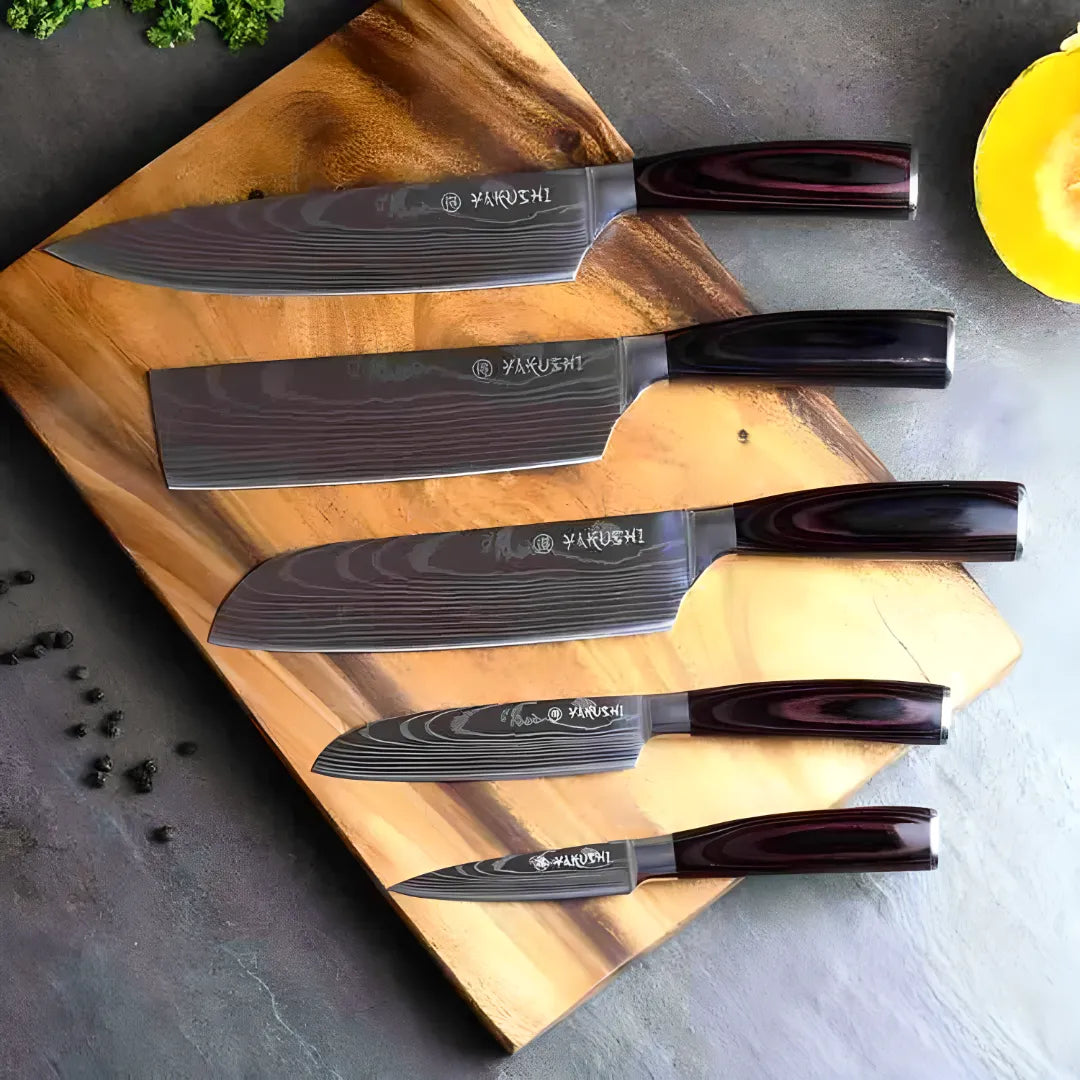
Start with a quality knife set as your core: one chef’s knife, one paring knife, and one bread knife. These three handle nearly everything. Add specialized blades—boning knives, utility knife, santoku—as your technique and demands evolve. Knife blocks can include chef’s knives, utility blades, paring knives, and serrated variants, and some self-sharpening knife blocks come equipped with built-in sharpeners to keep your knives sharp.

What Makes These Japanese Kitchen Knives Different

Size Guidance:

8-inch Chef’s Knife – The workhorse; handles chopping, slicing, dicing, and mincing

6-7-inch Santoku – Flatter profile suited for vegetables and push-cutting technique; excellent for smaller hands or compact kitchens

4-inch Paring Knife – Precision work, peeling, trimming, detailed cuts

5-6-inch Utility Knife – Between paring and chef; perfect for slicing meat, sandwiches, and medium vegetables

Bread Knife (8-10-inch) – Serrated edge for crusty loaves without crushing

When choosing kitchen knives, exploring different categories—such as chef’s knives, paring knives, bread knives, and kitchen tools—helps users find the right product for their specific needs.

Blade Geometry Matters: Japanese knives feature thinner spines and finer edge angles, reducing food drag for effortless cutting. The flat or slightly curved profiles suit different techniques—flatter for push cuts and precise dicing, curved for the rocking motion preferred with German-style knives.

Weight Distribution: A knife should feel like an extension of your hand. Full tang construction positions the balance point near where blade meets handle, providing control without strain. Heavier knives tire smaller users; lighter handles work better for extended sessions.

Versus Mass-Produced Alternatives: Stamped blades from big-box stores lack the tempering precision of forged knives. They dull faster, feel poorly balanced, and often feature partial tangs that loosen over time. The difference shows in every cut—and every year of use.

Trusted by Thousands - Yakushiknives.com Reviews

Results speak louder than claims.

“I upgraded from a generic knife block set and can’t believe I waited so long. My prep time is cut in half, and slicing tomatoes paper-thin is actually possible now. These blades hold their edge for weeks.” — Sarah M., Home Cook, 5/5 Stars

“As a culinary student, I needed quality without breaking my budget. My VG-10 chef’s knife outperforms knives costing three times as much. The balance is perfect for hours of prep work.” — James R., Culinary Student, 5/5 Stars

“Bought the santoku for my wife who has smaller hands. She went from avoiding kitchen prep to actually enjoying it. The ergonomic handle and lighter weight made all the difference.” — David K., Gift Purchaser, 5/5 Stars

“After twenty years with dull German knives, switching to Japanese steel was a revelation. Clean slices through everything. My presentations look professional now.” — Maria L., Experienced Home Chef, 5/5 Stars

Trust Indicators:

  • 4.8/5 average rating across 2,500+ verified reviews
  • Premium steel purity certification on all blades
  • Lab-verified heat treatment for optimal hardness
  • Years of satisfied customers across the world

Who These Knives Are For

These knives are ideal for:

Home cooks who take their food seriously – If you cook daily or several times weekly and value precision, you’ll notice immediate improvement

Culinary students building their first professional kit – Quality tools that perform without requiring a student loan

Experienced chefs frustrated with poor-performing knives – Upgrade from mediocre cutlery that’s been holding you back

Gift buyers seeking meaningful presents – A quality knife lasts decades and shows every time someone cooks

Meal preppers and large households – Reduced fatigue and faster prep when you’re cutting volume

Collectors and enthusiasts – Hand-forged Damascus and traditional Japanese craftsmanship for those who appreciate the art

If you want cooking to feel easier, faster, and more enjoyable, these knives were built for you.

Kitchen Knife Comparison Guide

Knife Type

Blade Length

Best Uses

Steel Types

Price Range

Maintenance

Skill Level

Chef’s Knife

8-inch (20 cm)

Chopping, slicing, dicing vegetables, meat, herbs

VG-10, High Carbon Stainless, Damascus

$80-$200

Moderate: hone frequently, sharpen monthly

Beginner to Advanced

Santoku

6-7-inch (15-18 cm)

Vegetables, fish, push-cutting technique

VG-10, AUS-10, Damascus

$80-$180

Moderate-High: fine edges need careful handling

Intermediate to Advanced

Paring Knife

3-4-inch (7-10 cm)

Peeling, trimming, detail work, garlic

High Carbon Stainless, Carbon Steel

$30-$80

Low: less use means less sharpening

All Levels

Utility Knife

5-6-inch (12-15 cm)

Sandwiches, small roasts, medium vegetables

High Carbon Stainless

$60-$120

Moderate

Beginner to Intermediate

Bread Knife

8-10-inch

Crusty bread, tomatoes, cakes

Stainless Steel

$50-$130

Low: serrations maintain themselves longer

All Levels

Boning Knives

5-6-inch

Deboning chicken, fish, meat

High Carbon Stainless, Flexible Steel

$60-$140

Moderate

Intermediate to Advanced

Carving Knives

8-10-inch

Roasts, ham, turkey, precise meat slicing

High Carbon Stainless

$70-$150

Moderate

Intermediate


Starter Set Recommendation: Begin with an 8-inch chef’s knife, 4-inch paring knife, and bread knife. This covers 95% of home cooking tasks. Add a santoku or utility knife as your second purchase, then specialized blades like boning knives as needed.

Knife Block Sets vs. Individual Purchase: Knife block sets offer convenience and value but often include blades you’ll rarely use. Individual purchases let you build a collection suited to your actual cooking style—and invest in quality where it matters most.

Knife Accessories Every Home Cook Should Consider

A truly efficient kitchen isn’t just about having the right knives—it’s about equipping yourself with the best accessories to keep those blades performing at their peak. A quality knife block is more than just a countertop organizer; it protects your sharp edge from unnecessary wear and keeps your favorite knives within arm’s reach for every meal prep session. For those who prefer a modern, minimalist look, a magnetic knife strip offers a sleek way to display your knives while saving valuable counter space and ensuring each blade stays in pristine condition.

Sharpening stones are another must-have accessory, allowing you to maintain a razor-sharp edge on your knives and extend their lifespan. Regular honing and sharpening not only preserve the precision of your blades but also make every slicing and chopping task safer and more enjoyable.

Don’t overlook the importance of cutting boards—opting for high-quality wood or stainless steel boards provides a sturdy, hygienic surface that’s gentle on your knife’s edge. The right board can make all the difference in achieving clean slices and precise cuts, whether you’re dicing vegetables or portioning meat.

Expanding your toolkit with specialized accessories like boning knives for intricate meat preparation, utility knives for everyday versatility, and cleavers for heavy-duty chopping ensures you’re ready for any culinary challenge. Investing in these accessories means you’ll always have the right tool for the job, resulting in better control, improved precision, and a more enjoyable cooking experience.

Essential Care Tips for Longevity

Proper Washing and Drying: Hand-wash immediately after each use with mild soap and warm water. Dry completely before storing. Never put quality kitchen knives in the dishwasher—heat, detergents, and jostling damage steel and handles.

Safe Storage Options:

Magnetic Strips – Keep blades visible and accessible; edges don’t contact other surfaces

Knife Block – Traditional storage that protects edges when inserted blade-up

Blade Guards – Essential for drawer storage or travel; prevent edge damage and injuries

Sharpening Schedule:

Honing (Steel or Ceramic Rod) – Before each use or every few uses; realigns the edge without removing material

Whetstone Sharpening – Every 1-3 months for hard Japanese steel with frequent use; softer German steel may need more often

Professional Sharpening – 1-2 times yearly if you’re uncomfortable with stones

Cutting Boards Matter: Use wood or quality plastic boards exclusively. Avoid glass, stone, ceramic, or metal surfaces—they destroy edges instantly.

Common Mistakes to Avoid:

  • Twisting the blade while cutting
  • Using chef’s knives on bones (use cleavers or boning knives)
  • Leaving blades wet or exposed to moisture
  • Storing loosely in drawers where edges bang together
  • Using incorrect sharpening angle (match your knife’s original bevel)
  • Chopping on hard surfaces without a proper board

Carbon Steel Special Care: If you’ve chosen carbon steel blades for their superior sharpness, wipe dry immediately after each cut—especially with acidic food like citrus or tomatoes. Apply food-safe mineral oil before extended storage. Let the natural patina develop; it protects the steel and adds character.

Educational Resources for Mastering Your Knives

Unlocking the full potential of your Japanese knives is a journey that blends knowledge, practice, and a touch of artistry. Whether you’re new to the world of fine cutlery or looking to refine your technique, there’s a wealth of educational resources available to help you master the art of knife skills. Online tutorials, video demonstrations, and step-by-step guides can walk you through everything from basic slicing and dicing to advanced techniques unique to Japanese knives.

Many chefs and culinary schools offer virtual classes focused on knife handling, maintenance, and the subtle differences between blade shapes and styles. These resources not only teach you how to achieve precise cuts and clean slices, but also how to care for your knives so they remain sharp and reliable for years to come. Embracing the art of knife work transforms everyday cooking into a more enjoyable and rewarding experience—one where every meal becomes a chance to hone your skills and express your creativity.

Frequently Asked Questions

How often do these knives need sharpening?

Sharpening frequency depends on steel hardness, usage, and maintenance. With daily use and proper honing, VG-10 and similar Japanese steels (59-62 HRC) typically need sharpening every 1-3 months. Softer German steels require more frequent attention—potentially every few weeks with heavy use. Most home cooks sharpen 2-4 times yearly and hone before each cooking session.

Can I put these knives in the dishwasher?

No. Dishwasher heat, harsh detergents, and contact with other items damage steel, dull edges, and deteriorate handles. Even high-quality stainless steel knives suffer in dishwashers. Hand-wash with mild soap, dry immediately, and store properly. This simple habit extends blade life by years.

What’s the difference between German and Japanese style knives?

Steel Hardness: Japanese knives use harder steel (59-63 HRC) that holds sharper edges longer but can chip if abused. German knives use softer steel (56-58 HRC) that’s more forgiving but dulls faster.

Edge Angle: Japanese blades sharpen to 10-15° per side for razor precision. German blades use 17-22° angles for durability.

Blade Geometry: Japanese knives feature thinner spines and flatter profiles suited for precise slicing and push-cuts. German knives have thicker spines and curved “bellies” ideal for rocking motions.

Maintenance: Japanese knives demand more careful handling but reward you with superior sharpness. German knives tolerate rougher use but require more frequent sharpening.

Choose Japanese for precision and vegetables; German for durability and heavier tasks. Many serious home cooks own both styles.

How do I know if a knife is right for my hand size?

Handle Fit: Your thumb and forefinger should rest comfortably on the blade’s spine or ricasso in a pinch grip—the control grip professionals use. If your fingers feel cramped or extended awkwardly, the handle doesn’t fit.

Blade Length: Smaller hands often prefer 6-7-inch blades (santoku or shorter chef’s knife) rather than full 8-inch or longer. The knife should feel like an extension of your arm, not an unwieldy tool.

Weight: Heavy knives fatigue smaller users quickly. Full tang adds weight but improves balance. Test different weights if possible—control matters more than heft.

Balance Point: Quality knives balance near where blade meets handle. This position provides control without wrist strain during extended use.

Gift Ideas for Cooking Enthusiasts

If you’re searching for the perfect present for the food lover in your life, look no further than a thoughtfully chosen kitchen knife or accessory. A premium chef’s knife, a versatile paring knife, or a complete knife block set makes a memorable gift that will be appreciated every time they step into the kitchen. For those who love experimenting with new recipes, consider gifting a set of specialized blades—like boning knives, carving knives, or a sturdy bread knife—to expand their culinary toolkit.

Knife accessories such as sharpening stones, magnetic strips, or high-quality cutting boards also make practical and stylish gifts, helping your favorite cook maintain their blades and elevate their food preparation. Whether you’re shopping for a seasoned chef, an enthusiastic home cook, or a budding collector, these top picks combine quality, style, and function—ensuring your gift stands out and gets used for years to come.

Warranty, Shipping, and Returns

Warranty Coverage: All knives include comprehensive warranty against defects in materials and craftsmanship. Coverage includes blade construction issues, handle defects, and heat treatment problems. Normal wear, edge damage from improper use, and accident damage are excluded. Contact customer service with proof of purchase to initiate claims.


Ready to transform your cooking experience? Quality knives make every meal easier, every cut cleaner, and every session in the kitchen more enjoyable.

Experience the difference that proper craftsmanship makes. Your food deserves better than dull blades—and so do you.

YUKIHIRA Japanese knives set

About the Knives

We are passionate craftsmen, dedicated to creating exceptional Japanese knives that embody beauty, function, and tradition. We use only the finest materials and employ conventional forging techniques to ensure that our knives are not only razor-sharp and durable but also a work of art.

Explore the collections