
Premium Damascus Steel Chef Knives Without the Guesswork

5,000+ Customers Yearly

3 Month Warranty

Free USA Shipping
Filters
8 products
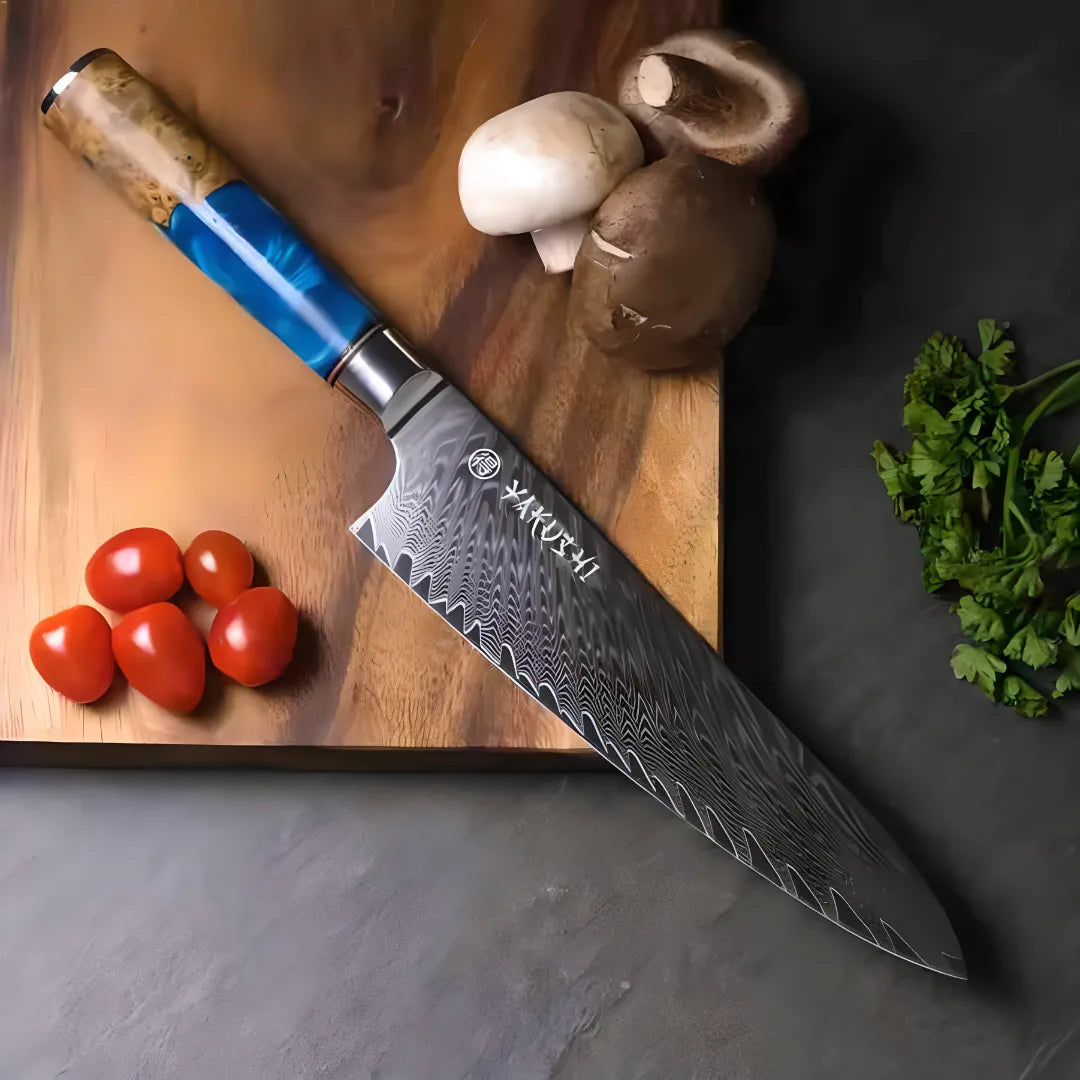
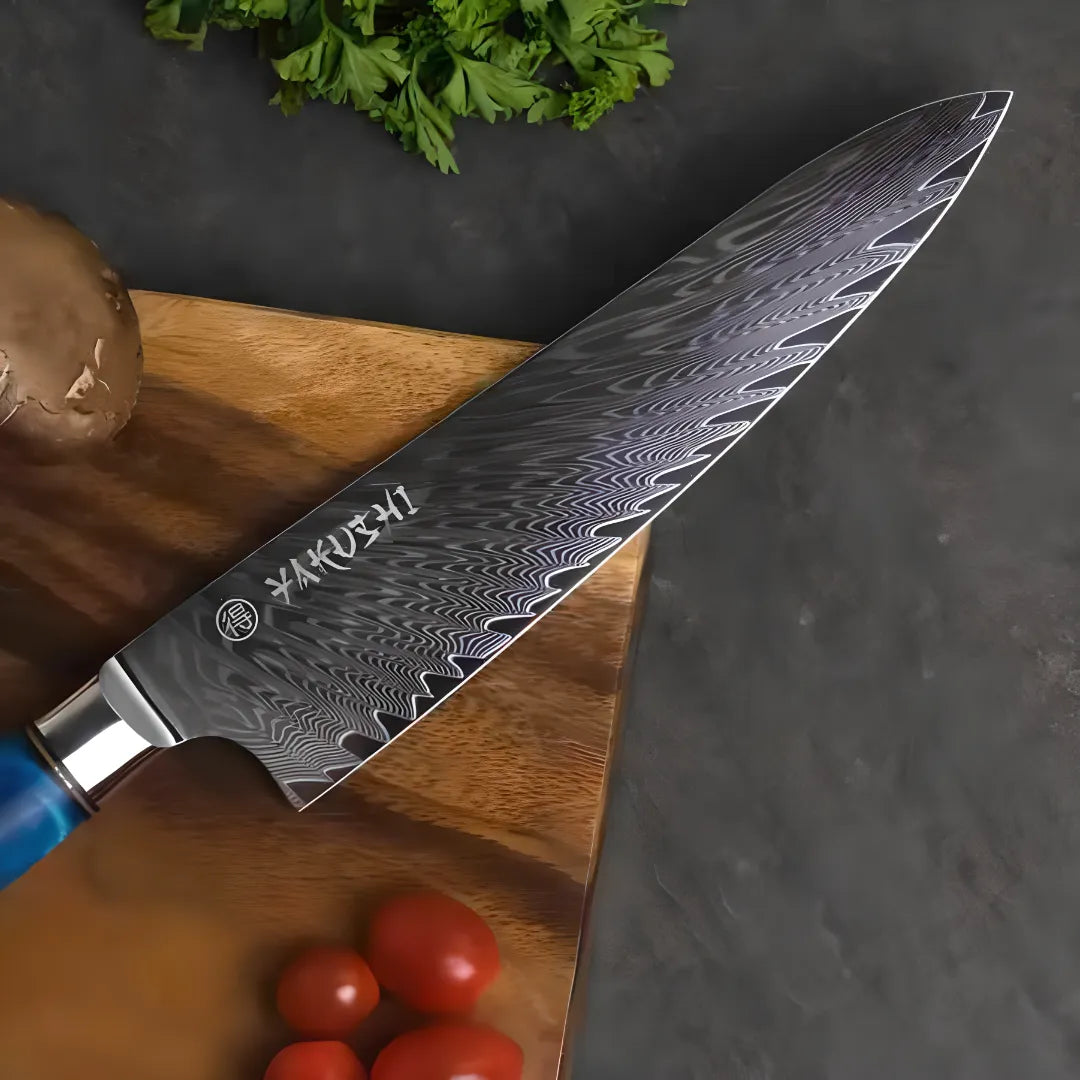
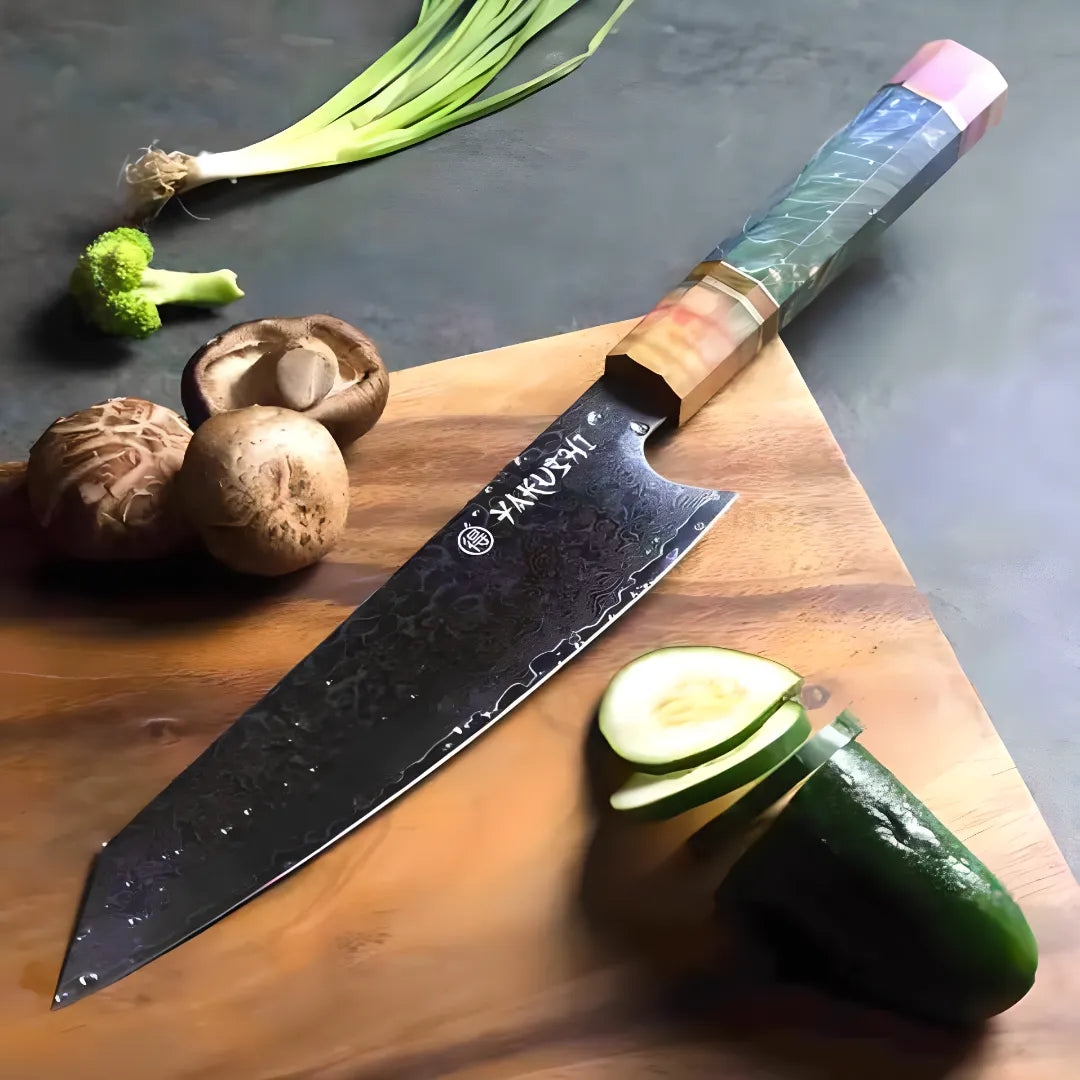

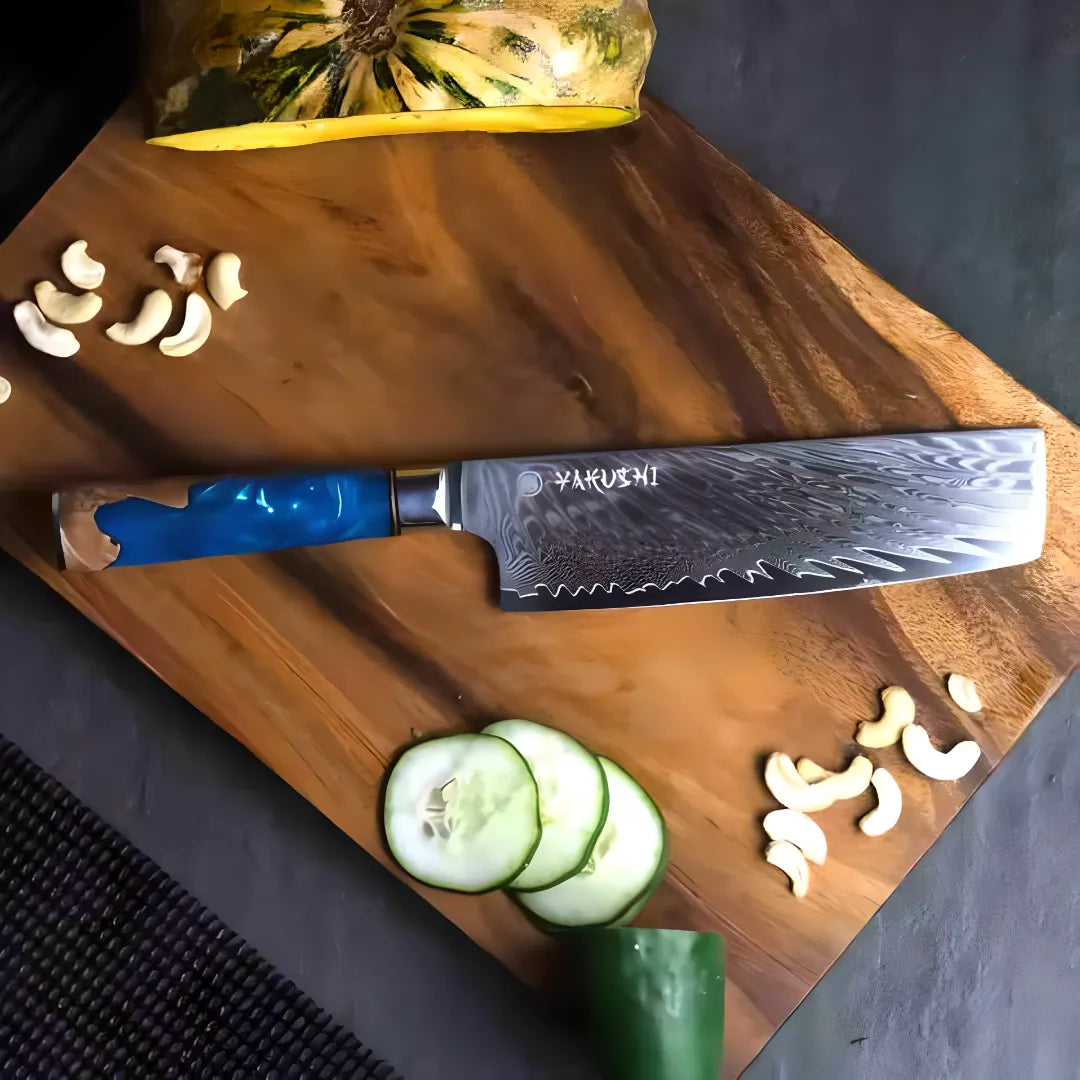
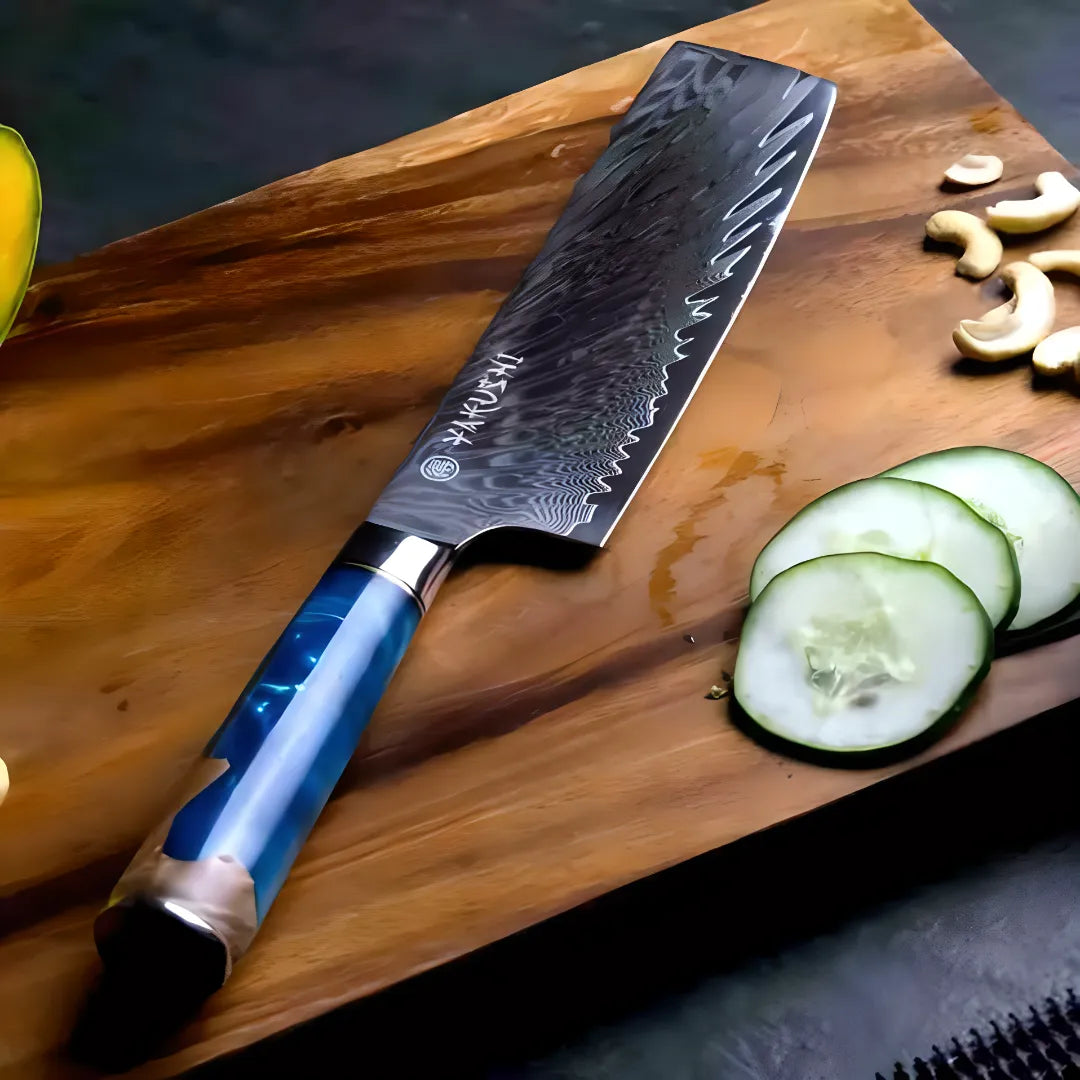
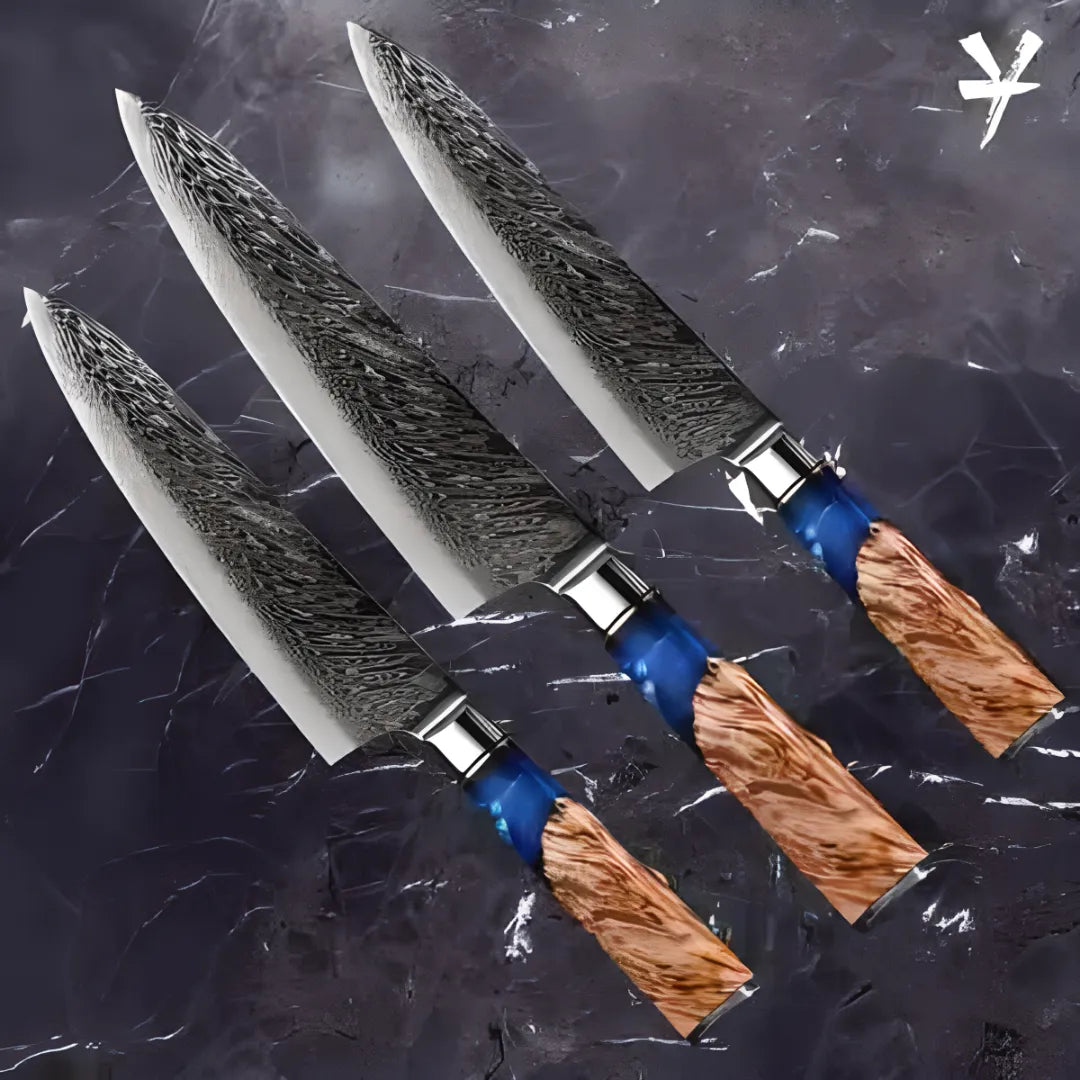
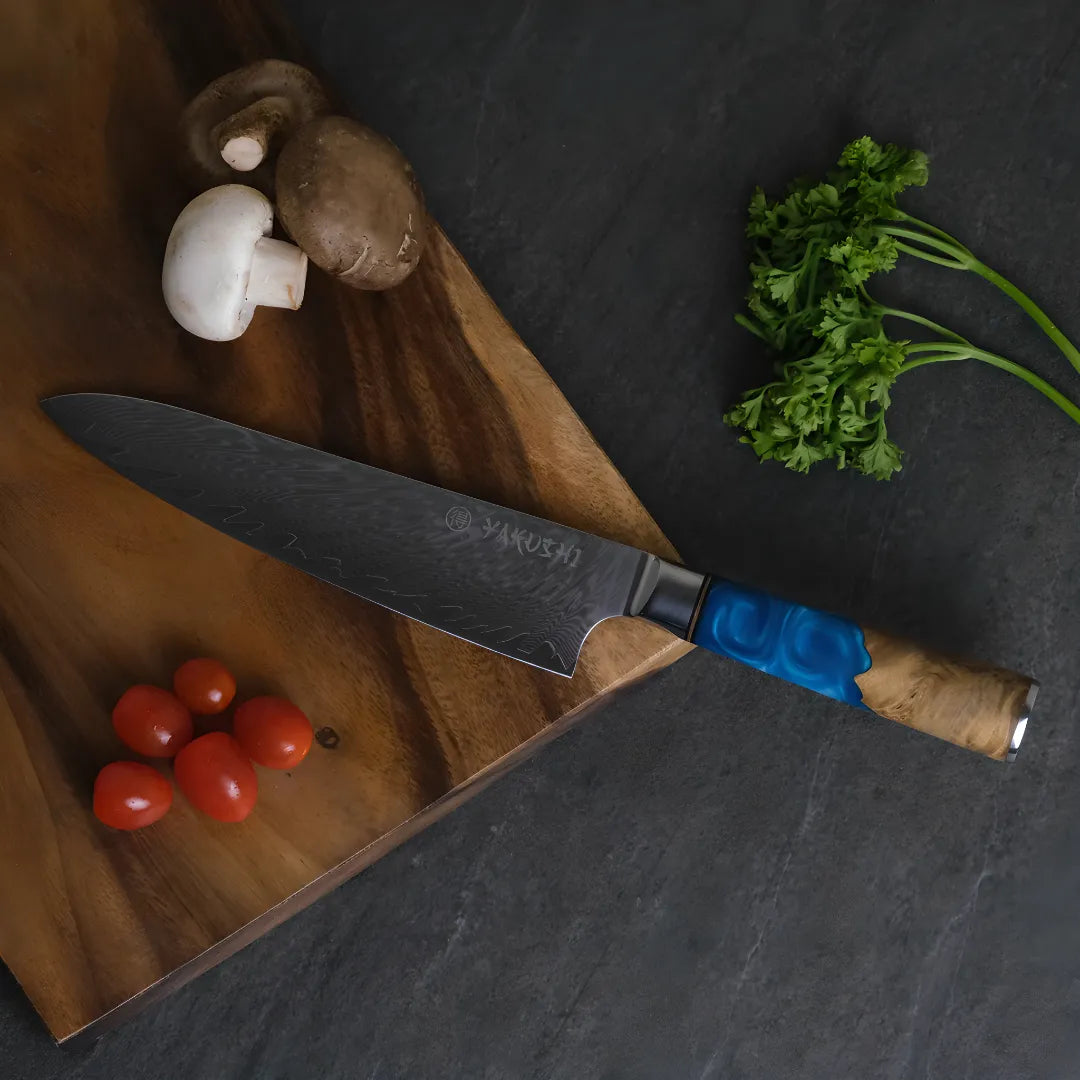
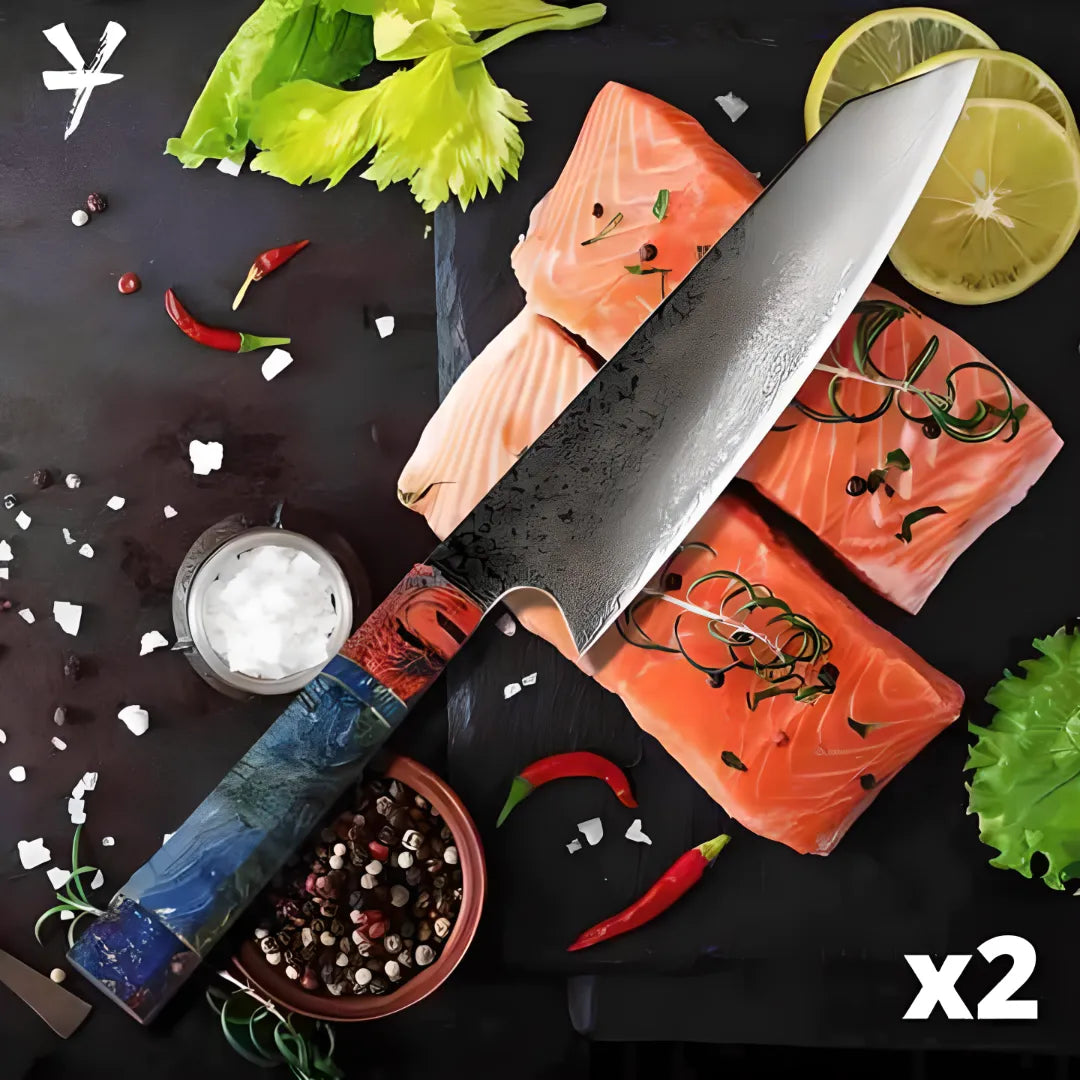
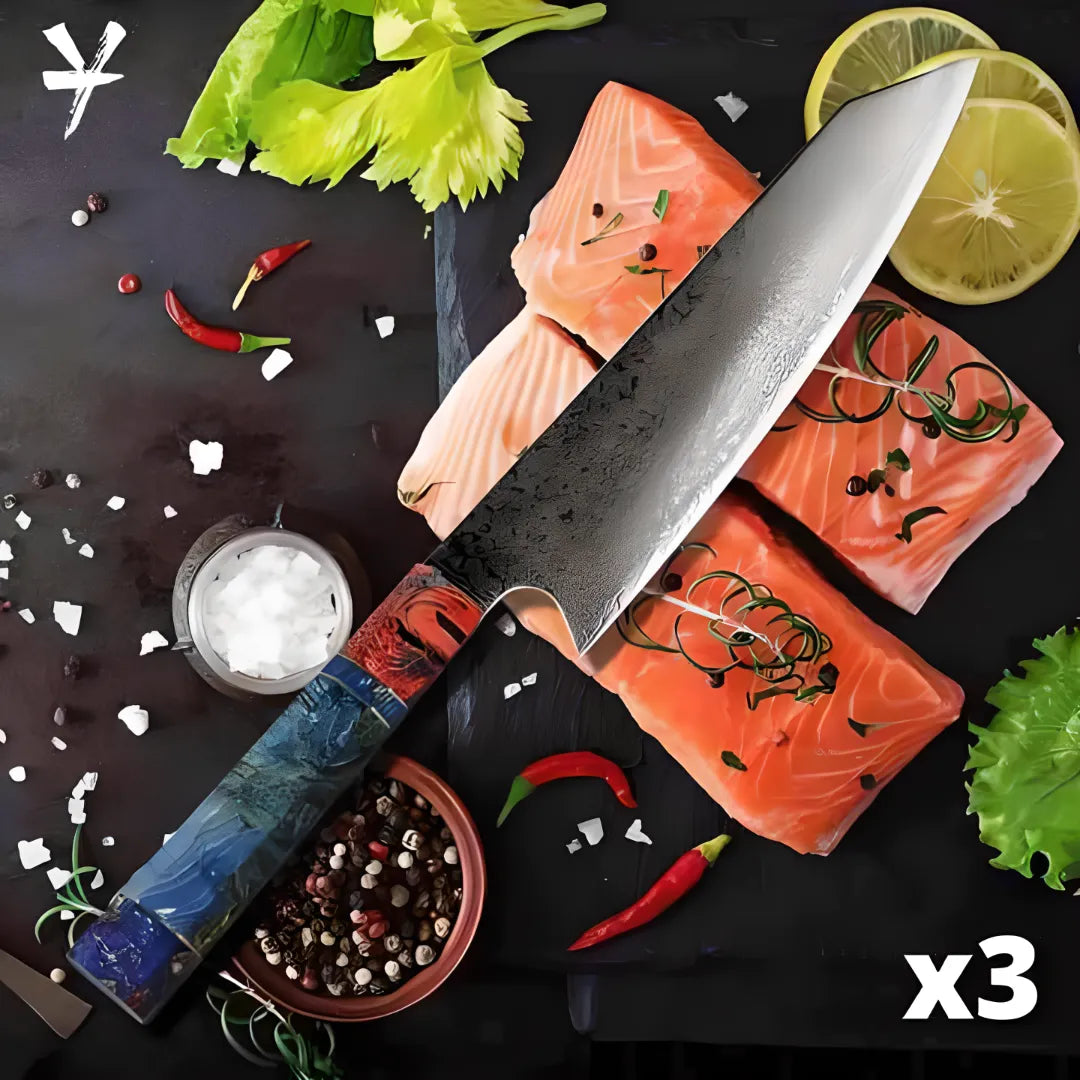

I really like the traditional look. They have perfect balance and grip. Incredibly sharp as well!

The Knives are perfect and sharp! I love chopping vegetables with my family now!

I ordered the 5 Piece Set and it exceeds my expectations!

Damascus Steel Chef Knives — Masterful Blades for Professional & Home Kitchens

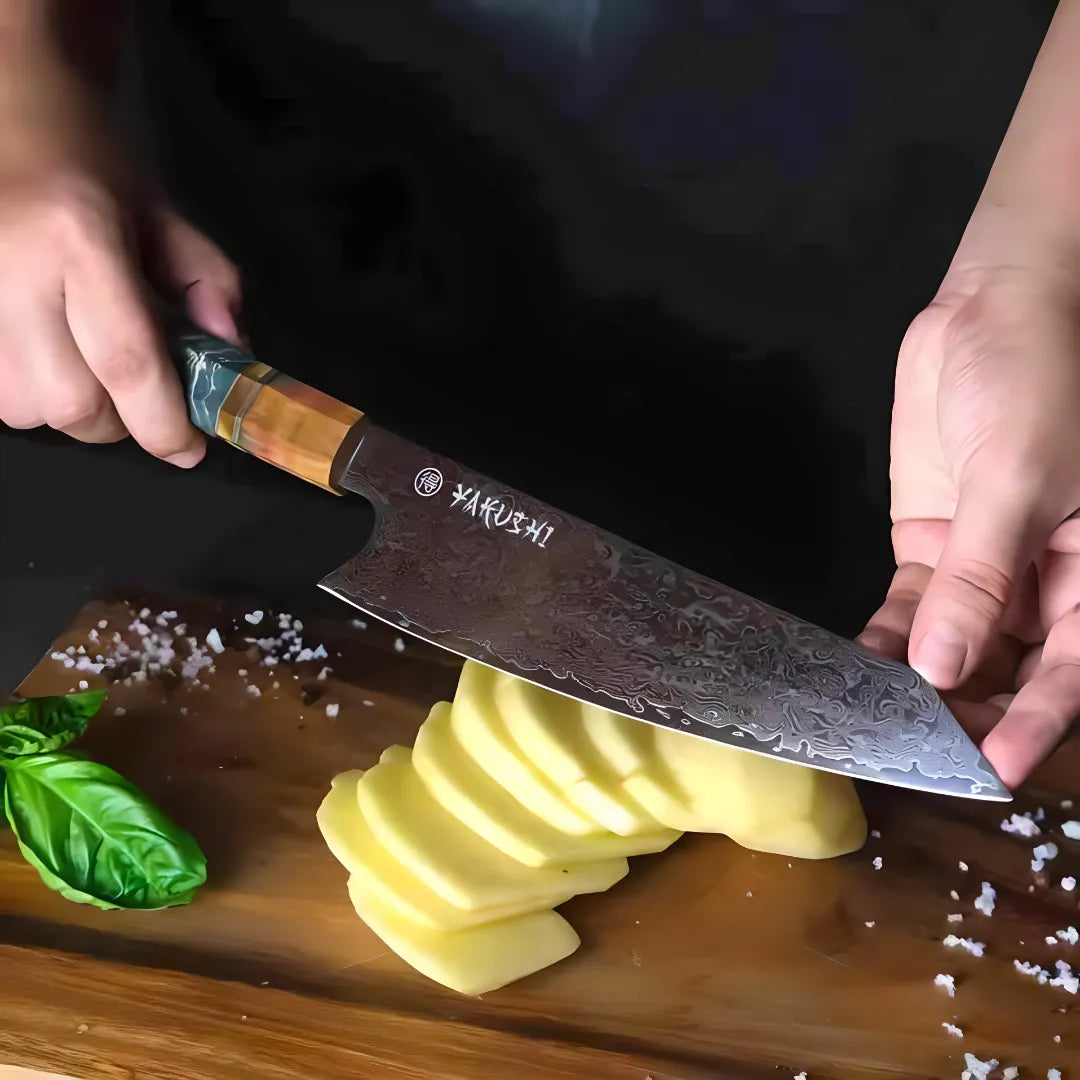
A razor-sharp 67-layer VG10 steel blade, hand-forged with a beautiful damascus pattern, delivering professional precision for every cut you make in the kitchen.
Finally, Damascus Steel Chef Knives Built for Serious Home Cooks
If you’re tired of struggling with dull kitchen knives that chip after weeks, require constant sharpening, and make slicing vegetables feel like a chore, you’re not alone. Most home cooks waste money on mass-produced chef knives that overpromise and underdeliver.
Yakushi Damascus steel chef knives were created to eliminate that frustration. Each Damascus knife combines traditional Japanese craftsmanship with modern damascus steel technology—a VG10 steel core wrapped in 67 layers of folded steel that stays incredibly sharp through months of daily use. The thin blade geometry and razor-sharp edge mean slicing with a Yakushi knife feels as smooth and effortless as cutting through butter. Damascus knives are often thinner, which creates a smoother cutting sensation with less resistance and reduces fatigue during use.
No more guessing whether your knife can handle delicate work or heavy chopping. No more questioning if you overpaid for marketing hype. Just a good knife that performs exactly as a professional tool should.
The History of Damascus
The story of the damascus steel knife begins centuries ago in the heart of the Middle East, where the city of Damascus became synonymous with blades of unmatched quality and beauty. Revered for their legendary strength, sharpness, and the mesmerizing damascus pattern that danced across each blade, these early chef knives and swords quickly earned a reputation that spread far beyond their origins.
Crafted by skilled artisans, traditional damascus steel was created through a painstaking process of folding and forging multiple layers of steel. This technique not only produced the signature wavy designs but also resulted in blades that balanced the hardness needed for a razor-sharp edge with the flexibility provided by softer steel layers. The result was a knife that could withstand the rigors of battle or the precision required in the kitchen—an enduring symbol of craftsmanship and performance.
Although the original methods for making damascus steel were lost to history, the allure of these remarkable blades never faded. Modern damascus steel has been reinvented using advanced techniques that layer different types of steel, forging them together to recreate the beautiful damascus pattern and the exceptional qualities that made the originals so prized. Today’s damascus chef knives, damascus kitchen knives, folding knives, and steak knives are crafted with the same dedication to quality, blending ancient artistry with contemporary innovation.
This evolution has made damascus steel a favorite among chefs and home cooks alike. Whether you’re slicing vegetables with a damascus chef knife, carving a roast with a damascus kitchen knife, or enjoying the versatility of a folding knife, you’re holding a piece of history reimagined for modern life. The combination of multiple layers, durable construction, and striking beauty ensures that every damascus steel knife is not just a tool, but a testament to centuries of skill and passion for the culinary arts.
From the battlefields of ancient Damascus to the cutting boards of today’s kitchens, damascus steel continues to set the standard for sharpness, durability, and style—making it a timeless choice for anyone who values quality cutlery and the art of cooking.
Why Yakushi Damascus Steel Chef Knives Work
Here’s what separates these blades from everything else on the market:
-
Exceptional Edge Retention – The VG10 core reaches HRC 60-62 hardness, significantly harder than German stainless steel, meaning your edge stays sharp through countless prep sessions
-
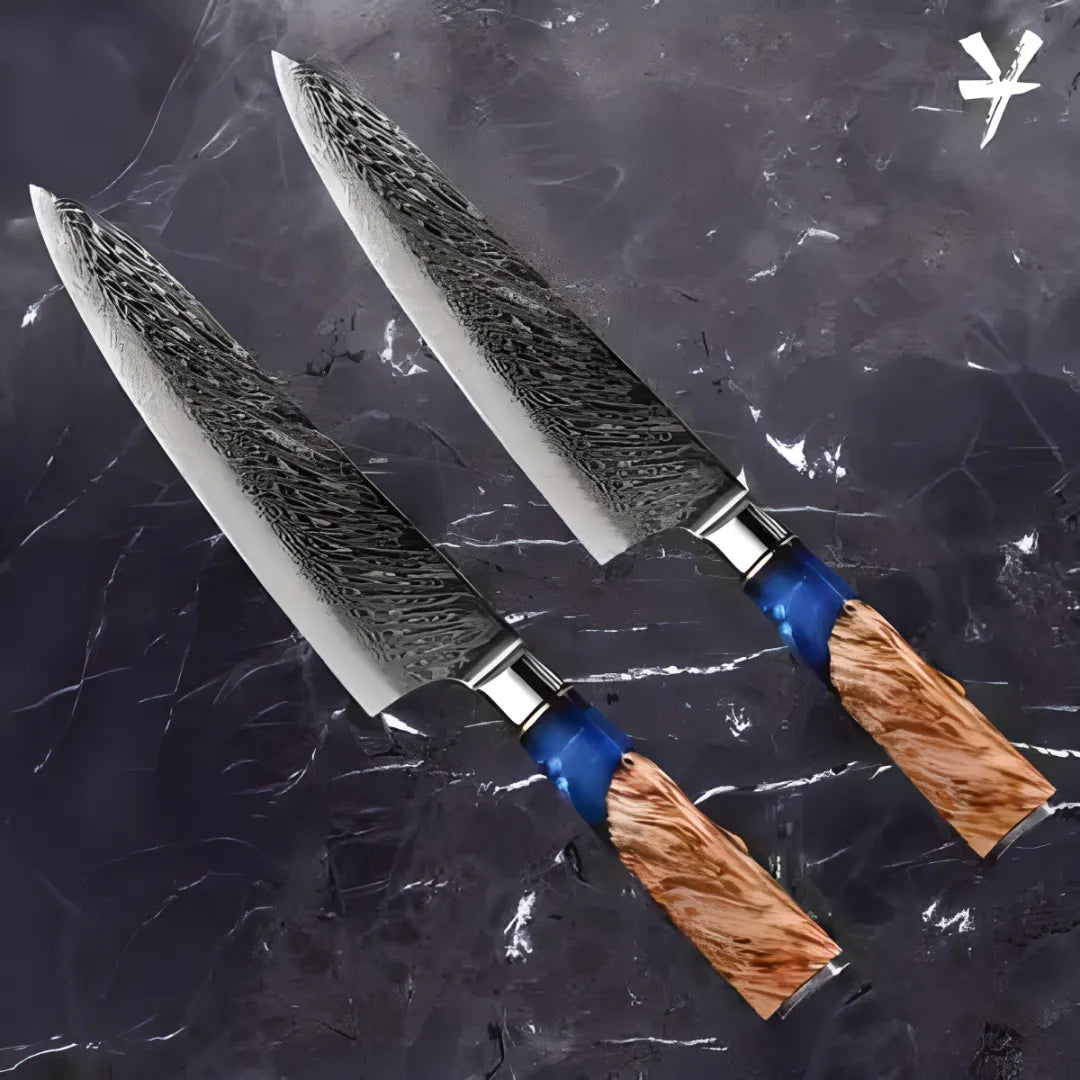
67-Layer Damascus Construction – Multiple layers of folded steel create both the stunning damascus pattern and superior corrosion resistance that protects the blade. Modern Damascus steel is created by layering different types of steel and repeatedly folding and forging them together. This process results in the distinctive rippled pattern seen on the blade, a hallmark of modern Damascus steel.
-
Precision 15° Edge Geometry – A thin, double-beveled blade delivers razor-sharp slicing for everything from filleting fish to mincing herbs
-
Balanced Ergonomic Design – Premium wood and resin handles provide a comfortable grip that reduces fatigue during extended cooking
-
Lifetime Durability – Proper care means these sturdy knives become heirloom-quality tools passed down through generations
Instead of forcing you to choose between beauty and performance, Yakushi delivers both in every hand forged blade.
When to Choose Damascus Steel Chef Knives
Damascus chef knives aren’t for everyone—they’re for cooks who demand precision:
Upgrading from basic stainless steel: If your current knives dull within weeks and require constant attention, VG10 damascus steel maintains sharpness dramatically longer.
Preparing delicate ingredients: Slicing sashimi-grade fish, paper-thin tomatoes, filleting fish, or fresh herbs requires an edge that cuts cleanly without tearing. The thin blade geometry excels at this delicate work.
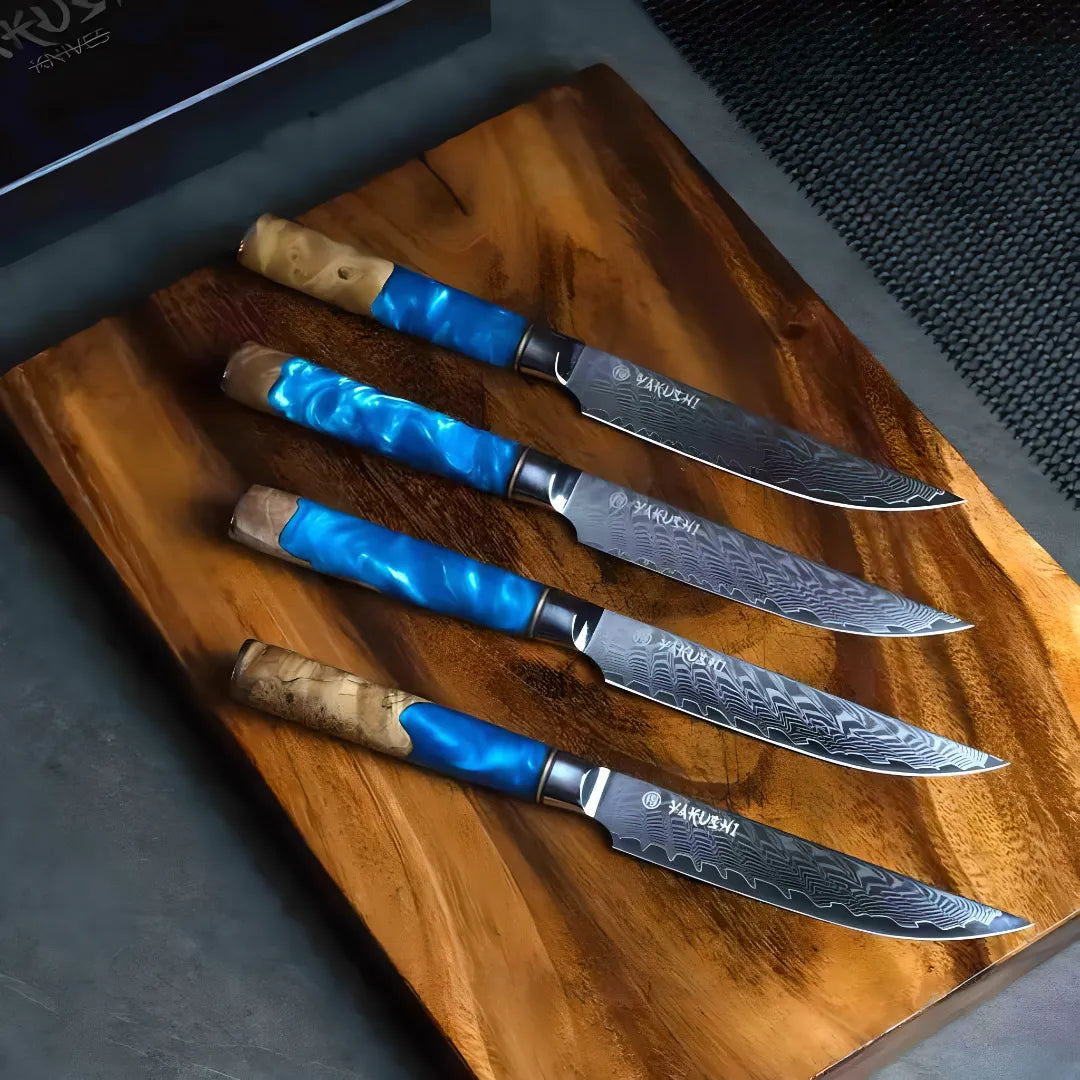
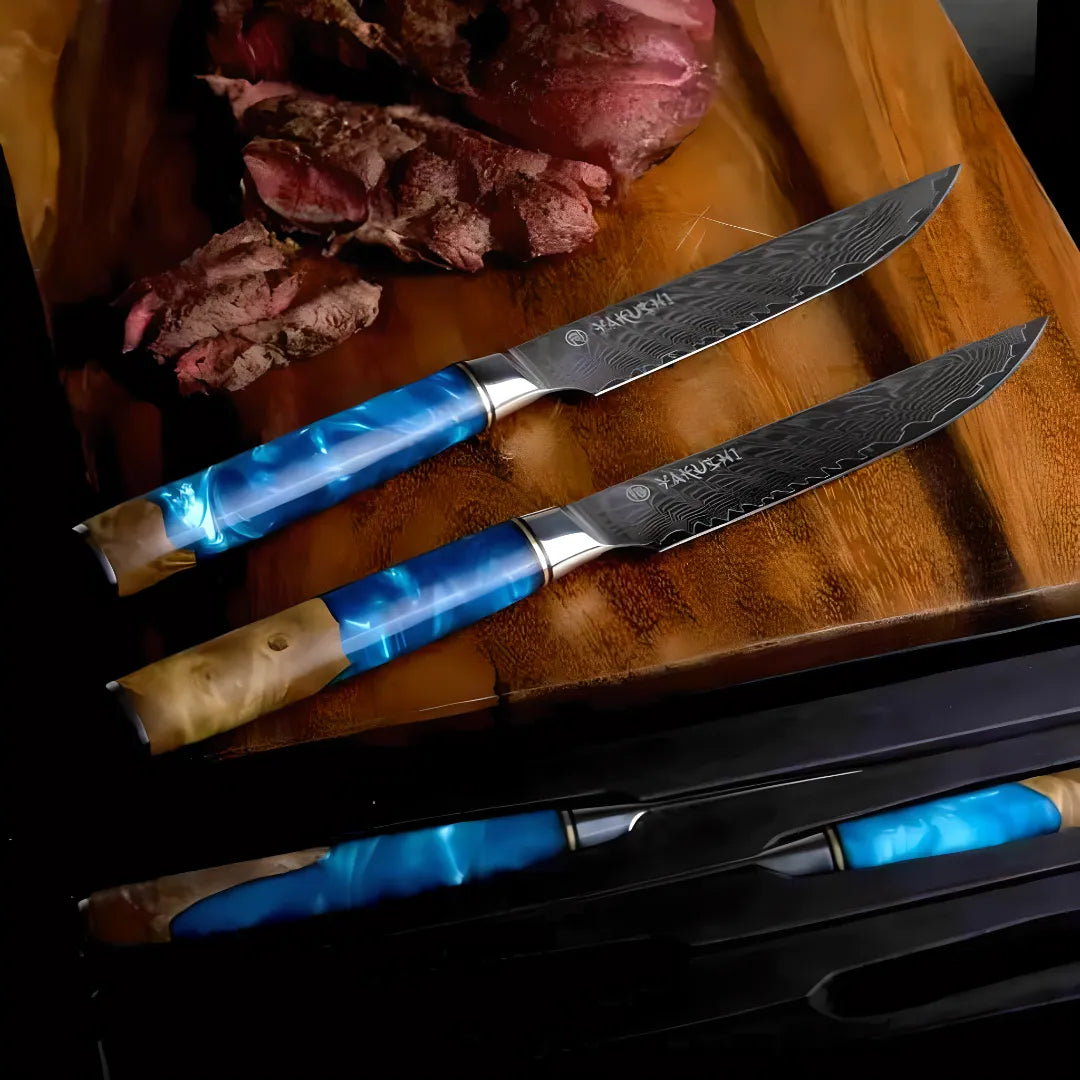
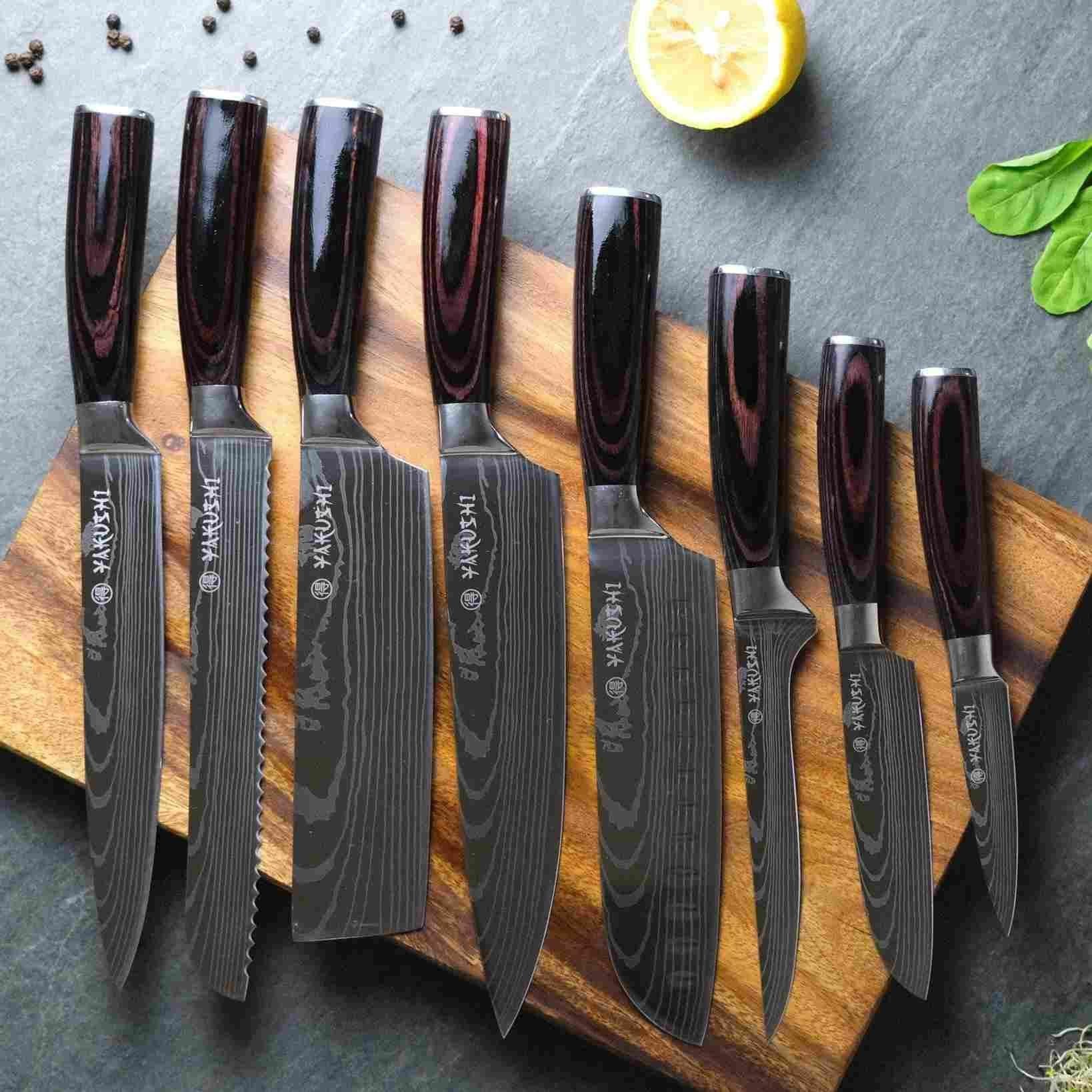
A comprehensive Damascus knife collection often includes specialized tools like paring knives for peeling and coring, and a bread knife with a serrated edge for slicing crusty bread without crushing it.
Heavy-duty prep work: Breaking down whole chickens, carving roasts, or chopping through dense root vegetables—these knives handle serious kitchen tasks with control and precision.
When aesthetics matter: The beautiful damascus pattern makes these knives functional art. Each blade displays a unique wave pattern created through the forging process.
Investing in quality over quantity: Rather than buying a knife set every few years, a single great knife maintained properly serves you for a lifetime. Damascus steel knives require less frequent sharpening than other types of knives due to their hard core and layered construction.
Who These Knives Are For
Yakushi Damascus steel knives are ideal for:
-
Serious home cooks who prepare meals multiple times per week and want tools that match their skill level
-
Professional chefs seeking reliable backup knives for home use or travel
-
Cooking enthusiasts who appreciate traditional Japanese craftsmanship and the art of blade-making
-
Frustrated cooks tired of dull edges that make food prep tedious and time-consuming
-
Gift buyers looking for meaningful, premium presents for weddings, anniversaries, or anyone who loves cooking
If you want a knife that transforms your cutting experience from frustrating to effortless, Yakushi was built for you.
Steel Guidance: Understanding VG10 Damascus Construction
Understanding what’s inside your blade helps you appreciate why it performs differently than standard kitchen knives. The secret to making true Damascus steel was lost in the 17th century, which has contributed to the legend and mystery surrounding its production. Today, modern damascus steel chef knives are prized for their unique patterns, strength, and sharpness. Many cooks choose a damascus knife set for their kitchen, as these comprehensive collections combine artistry, durability, and precision. A typical set includes a chef’s knife, paring knife, utility knife, bread knife, and sometimes additional specialty blades or accessories, offering versatility for a wide range of cooking tasks.
The VG10 Core
VG10 is a high-carbon stainless steel manufactured in Takefu, Japan, specifically designed for premium cutlery. Its composition includes:
-
~1.0% Carbon for exceptional hardness and edge formation
-
~15% Chromium for superior corrosion resistance
-
Vanadium and molybdenum additions for refined grain structure and durability
Heat-treated to HRC 60-62, VG10 significantly outperforms softer steel found in most Western knives (typically HRC 56-58). This hardness translates directly to longer edge retention and the ability to achieve incredibly sharp cutting angles.
The Damascus Cladding
The 67 layers surrounding the VG10 core serve multiple purposes beyond creating the distinctive damascus pattern:
-
Corrosion protection – Outer layers shield the high-carbon core from moisture and acids
-
Structural stability – Layered construction adds rigidity and dampens vibration during cutting
-
Visual distinction – Each blade displays a unique pattern that emerges through the forging process
Common Misconceptions
Many people assume damascus steel is purely decorative or too fragile for daily use. In reality, properly constructed VG10 damascus combines the sharpness of carbon steel with the rust resistance of stainless. The blade requires more attention than basic stainless but rewards that care with dramatically better performance.
The pattern near the cutting edge may fade with use and sharpening but returns as the blade wears naturally over time.
Size Guidance: Choosing Your Perfect Damascus Chef Knife
Selecting the right tool depends on your hands, your kitchen, and how you cook.
8-Inch Chef Knife
The standard choice for most home cooks. Yakushi’s Damascus Steel Chef Knife at 8 inches (198 grams) balances control and capability—large enough for serious prep work, manageable enough for precision tasks. The curved belly supports both rocking motion and push-cutting techniques.
Best for: General-purpose cooking, slicing, dicing, chopping, mincing
Larger Blades (10-Inch)
Preferred by those with larger hands or who regularly handle big cuts of meat and large vegetables. Additional length provides leverage but increases weight and requires more storage space.
Best for: High-volume prep, carving large roasts, working with oversized produce
Smaller Options (6-7 Inch)
Utility knives and santoku variations offer precision for detailed work. A santoku knife features a flatter edge profile better suited to push-cutting rather than rocking.
Best for: Mincing garlic, trimming fat, slicing smaller vegetables, kitchens with limited space
Handle Considerations
Yakushi’s wood and resin handles provide a secure grip with distinctive aesthetics. These materials require more care than synthetic alternatives—avoid soaking and dry promptly after washing—but deliver superior comfort during extended use.
What Makes Yakushi Damascus Knives Different
Most knife companies focus on features. Yakushi focuses on craftsmanship and results.
Traditional Forging Techniques: Each blade is hand forged using methods refined over generations of Japanese bladesmithing. This isn’t mass production—it’s deliberate, skilled work.
Unique Pattern Identity: The damascus forging process ensures no two knives display identical patterns. Your blade is genuinely one-of-a-kind.
Premium Handle Materials: Wood and blue resin combinations create handles that are both beautiful and functional, providing a comfortable grip that reduces fatigue during long prep sessions.
Consistent Quality Standards: Every blade achieves the same HRC 60-62 hardness, ensuring reliable performance regardless of which knife you select.
Direct Craftsmanship Relationships: Rather than sourcing from anonymous factories, Yakushi maintains direct relationships with skilled artisans who take pride in each blade they produce.
Care Tips for Your Damascus Steel Chef Knife
Proper maintenance keeps your blade performing at its peak for decades. Essential add-ons such as knife blocks, sharpeners, and storage solutions can help protect and prolong the lifespan of your Damascus steel chef knives.
Cleaning
Hand wash immediately after use with warm water and mild soap. Avoid abrasive scrubbers or steel wool that can scratch the surface and damage the beautiful damascus pattern. Dry thoroughly with a soft cloth—never leave your blade wet or allow moisture to sit on the steel.
Storage
Store on magnetic strips, in wooden blocks with adequate spacing, or in dedicated blade guards. Never toss knives loose in drawers where edges contact other utensils. Avoid leather sheaths that can trap moisture and promote rust.
Sharpening
Use whetstones (1000 grit for working edges, 3000-8000 for polishing) rather than electric sharpeners that remove excessive material and can overheat the blade. Maintain the original 15° angle per side. Hone regularly with a ceramic rod to maintain the edge between full sharpenings.
What to Avoid
-
Dishwashers: High temperatures, harsh detergents, and mechanical action damage heat treatment, handles, and pattern
-
Glass or ceramic cutting boards: These will chip and roll your edge rapidly—use end-grain wood or quality bamboo instead
-
Cutting bones or frozen foods: Hardness comes with reduced toughness; lateral stress or hard impacts can chip the thin edge
-
Acidic food contact: Don’t leave citrus, tomatoes, or similar foods sitting on the blade—clean promptly
Pattern Preservation
Apply food-grade mineral oil or camellia oil sparingly after drying to maintain moisture barrier and preserve pattern contrast. Avoid cooking oils that can become rancid.
Damascus Chef Knife Comparison
|
Model |
Blade Material |
Length |
Handle |
Price (Sale) |
Best For |
Reviews |
|---|---|---|---|---|---|---|
|
Yakushi Damascus Steel Chef Knife |
67-layer VG10 Damascus |
8” |
Wood + Blue Resin |
~$150 |
All-purpose prep, slicing, chopping |
88 reviews, ~4.8★ |
|
Yakushi Damascus Nakiri Knife |
VG10 Damascus |
Nakiri style |
Wood/Resin |
~$102 |
Vegetables, push-cutting technique |
8 reviews |
|
Yakushi Yanagiba Sashimi Knife |
Japanese Damascus |
Long, narrow |
Traditional |
~$108 |
Filleting fish, slicing raw protein |
6 reviews, 5.0★ |
|
Yakushi Classic Chef Knife |
High-carbon stainless |
8” |
Classic |
~$102 |
Budget-conscious quality upgrade |
41 reviews, ~4.9★ |
|
Yakushi Handmade Butcher Knife |
Serbian high-carbon |
7” heavy |
Pakka wood |
~$126 |
Heavy chopping, meat breakdown |
66 reviews |
Recommendation Matrix
Primarily cook vegetables: Damascus Nakiri Knife—flat edge excels at push-cutting through produce
General home cooking: Damascus Steel Chef Knife—versatile 8” blade handles everything
Prepare raw fish regularly: Yanagiba Sashimi Knife—specialized design for clean, precise slicing
Budget-conscious upgrade: Classic Chef Knife—excellent performance without damascus premium
Heavy butchery and carving: Handmade Butcher Knife—robust design for demanding meat tasks
Why Customers Trust Yakushi Knives
Results matter more than marketing claims.
“The sharpness is unreal. I’ve had expensive knives before, but nothing cuts through vegetables like this. The pattern is gorgeous and it’s become my go-to knife for everything.”
“Finally upgraded from my old knife set and the difference is night and day. Slicing tomatoes paper-thin, dicing onions without crying—this knife actually works the way expensive knives should.”
“Bought this as a gift for my husband and now I’m jealous. The balance feels perfect and the edge stays sharp way longer than our German knives ever did.”
With 88 reviews and consistent 4.8+ ratings, Yakushi Damascus Steel Chef Knives have earned trust through performance, not promises.
Frequently Asked Questions
How long do Damascus steel chef knives stay sharp?
With proper use and care, VG10 damascus blades maintain working sharpness for weeks to months of regular cooking. The HRC 60-62 hardness significantly outperforms standard stainless steel. Light honing between uses extends time between full sharpening sessions.
Are these knives difficult to maintain compared to regular steel?
They require more attention than basic stainless: immediate washing and drying, occasional oiling, hand sharpening with whetstones, and careful storage. However, compared to pure carbon steel, VG10 with stainless cladding resists rust much better and remains manageable for any home cook willing to follow basic care steps.
What’s the difference between Damascus and regular stainless steel?
Damascus construction combines a high-hardness core (VG10) with protective outer layers, creating both the distinctive pattern and superior performance. Standard stainless typically uses softer steel throughout, dulls faster, and lacks the aesthetic appeal. The layered construction also improves corrosion resistance and structural stability.
Can I put Damascus knives in the dishwasher?
No. Yakushi explicitly recommends against dishwashers. High temperatures, aggressive detergents, and mechanical action damage the blade’s heat treatment, degrade handles, and can cause rust or pattern fading. Always hand wash.
How do I know which size chef knife to choose?
For most home cooks, 8 inches provides ideal versatility. Choose larger (10”) if you have big hands or prep large volumes regularly. Choose smaller (6-7” or santoku) for precision work, smaller kitchens, or if you prefer lighter knives.
Do Damascus patterns affect cutting performance?
The pattern itself is primarily aesthetic. Performance comes from the VG10 core and edge geometry. However, the cladding layers provide structural benefits including corrosion protection and vibration dampening that indirectly support better cutting feel.
What cutting boards work best with these knives?
End-grain wood boards or quality bamboo preserve edges longest. Avoid glass, marble, ceramic, and hard plastic surfaces that will rapidly dull or chip your blade. Proper board selection extends time between sharpenings significantly.
Warranty, Shipping & Returns
Satisfaction Guarantee
Yakushi offers a 30-day test period. If you’re not completely satisfied with your knife, contact customer service within 30 days of your order to arrange a return. Your purchase is protected by a 100% money-back guarantee.
Craftsmanship Warranty
Every knife includes a 3-month warranty covering defects in materials and workmanship. If your blade shows manufacturing issues, Yakushi will make it right.
Shipping Details
-
United States: Free shipping, orders processed within 1-2 business days, delivery in 4-6 business days
-
International (Canada, UK, Australia): 7-12 business days delivery
Ready to upgrade your kitchen with a damascus steel knife that delivers both performance and beauty? Experience the difference hand forged Japanese craftsmanship makes in every slice.
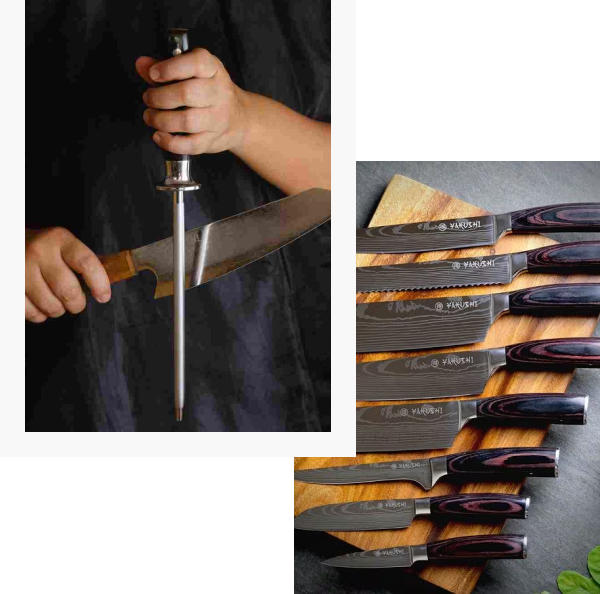
About the Knives
We are passionate craftsmen, dedicated to creating exceptional Japanese knives that embody beauty, function, and tradition. We use only the finest materials and employ conventional forging techniques to ensure that our knives are not only razor-sharp and durable but also a work of art.
Explore the collections
We Get It, Trust Takes Time.
Shopping online can feel daunting and scary, especially without seeing the product first. Luckily, we made it easier for you.


