
Japanese Steel Knives – Discover Authentic Craftsmanship Online

5,000+ Customers Yearly

3 Month Warranty

Free USA Shipping
Filters
11 products
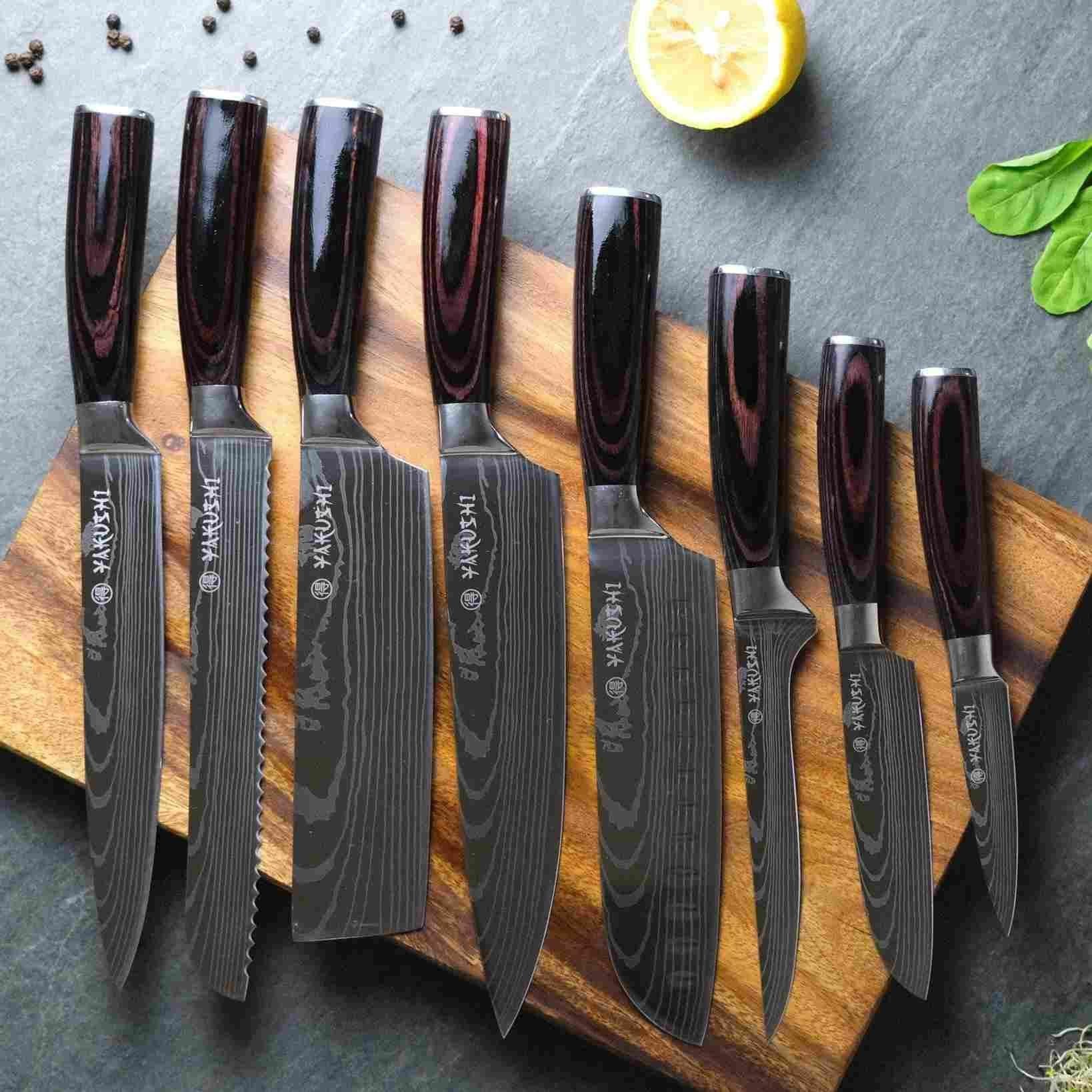

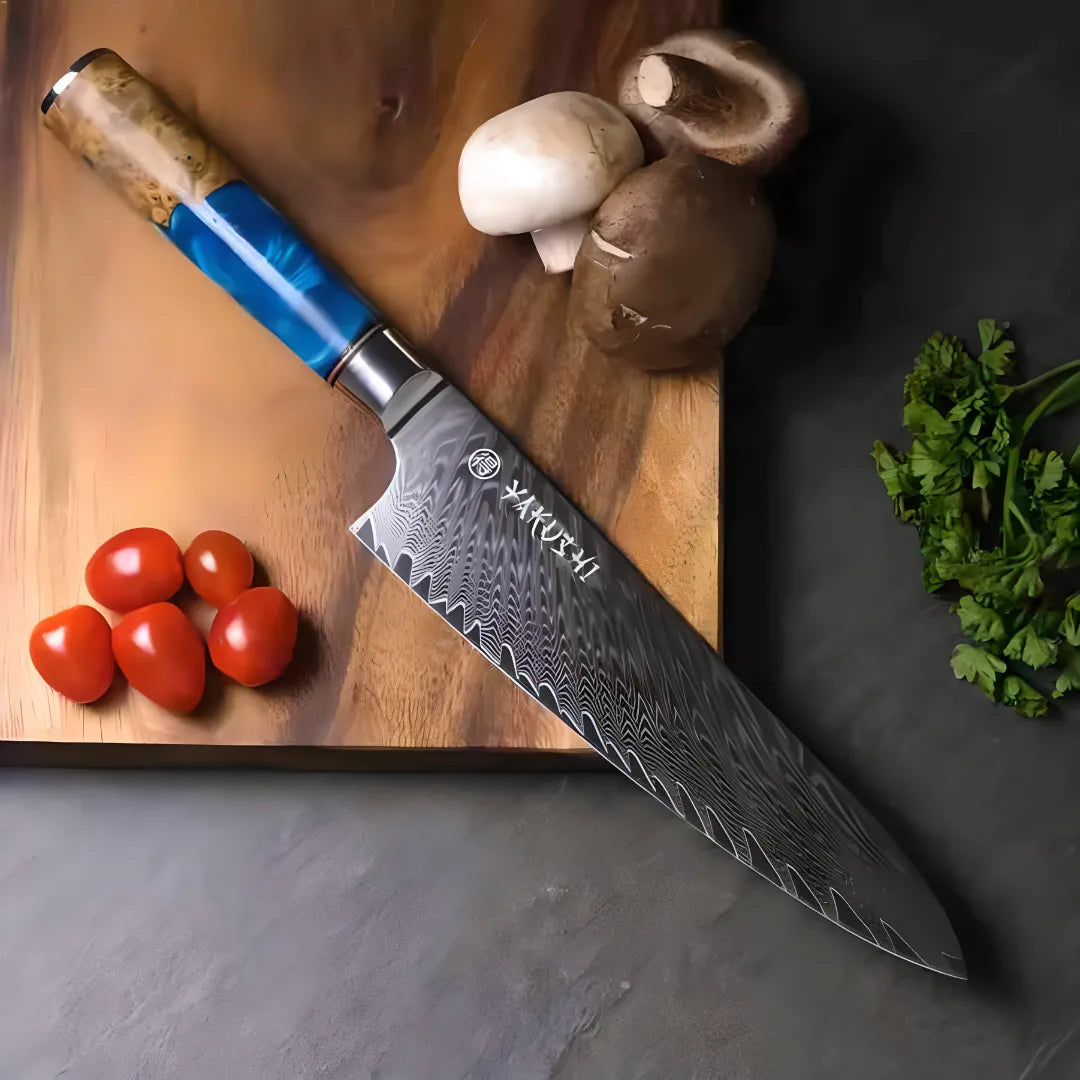
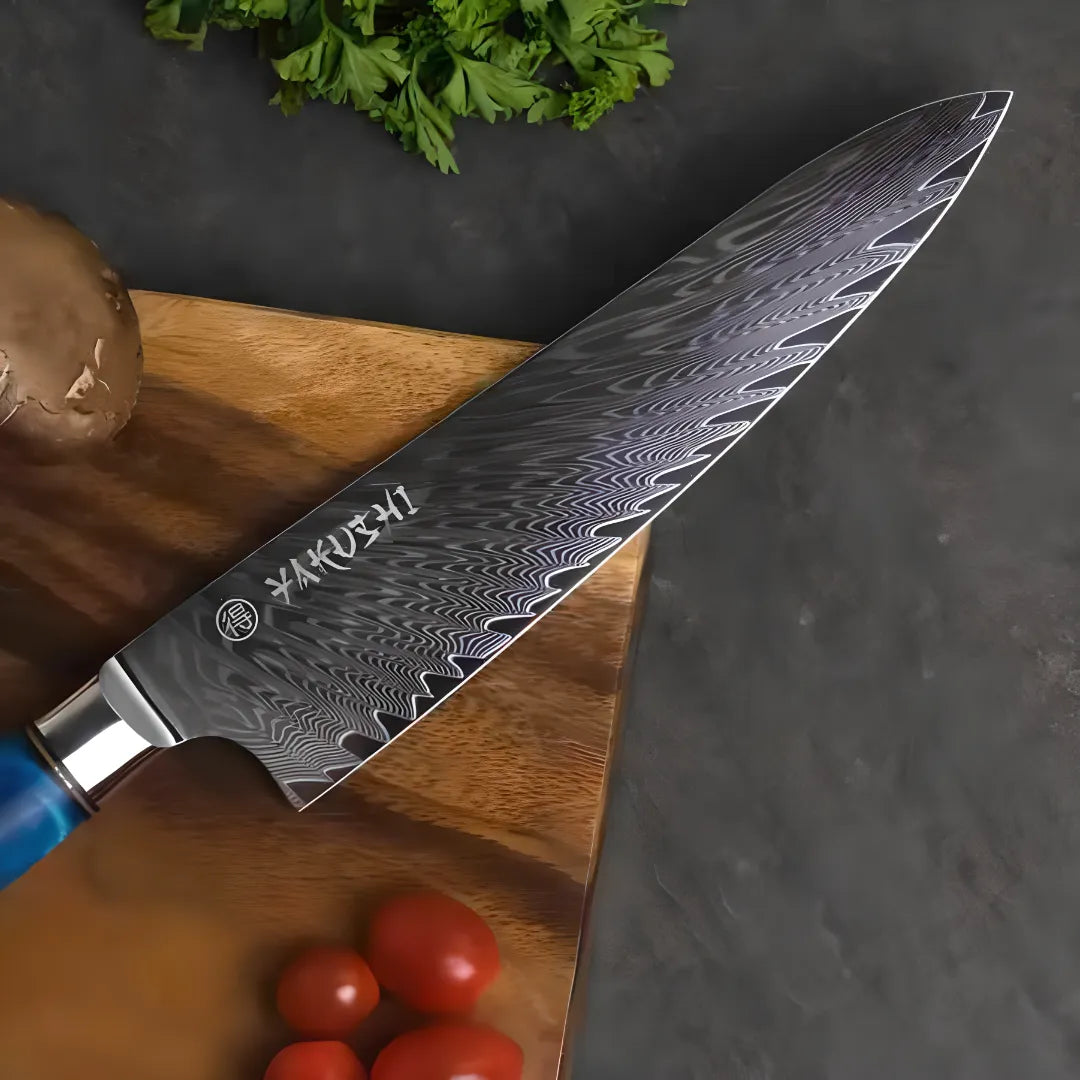
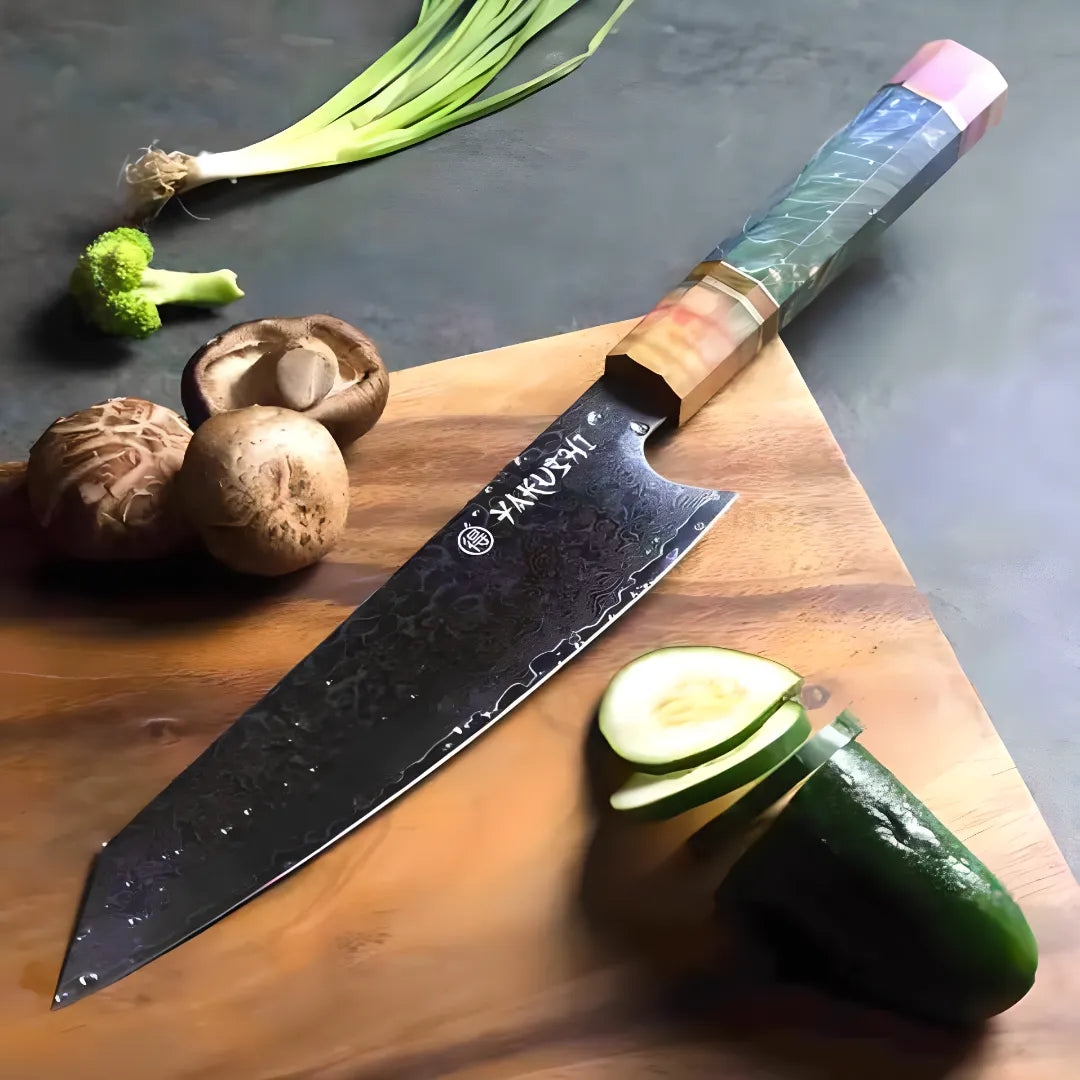
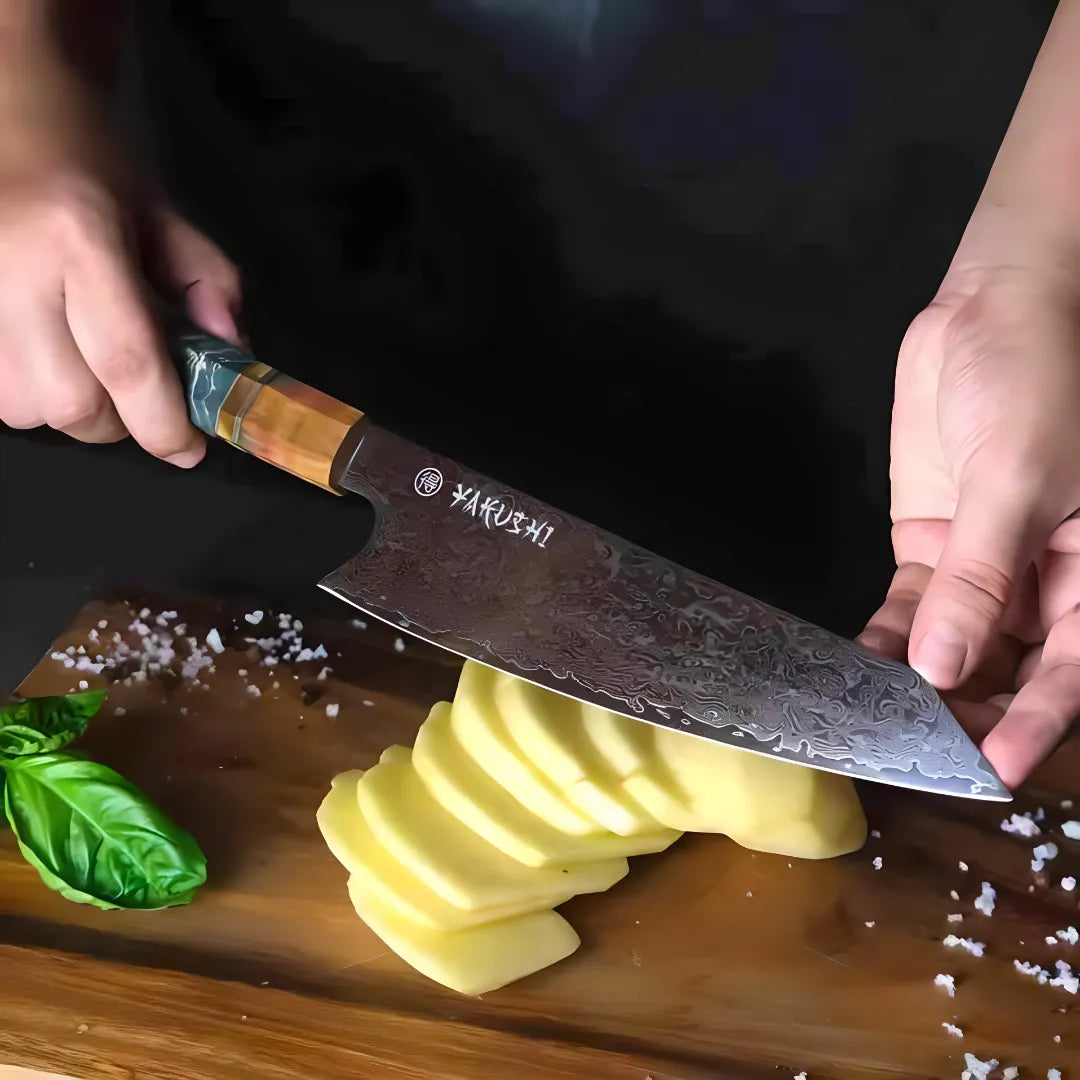


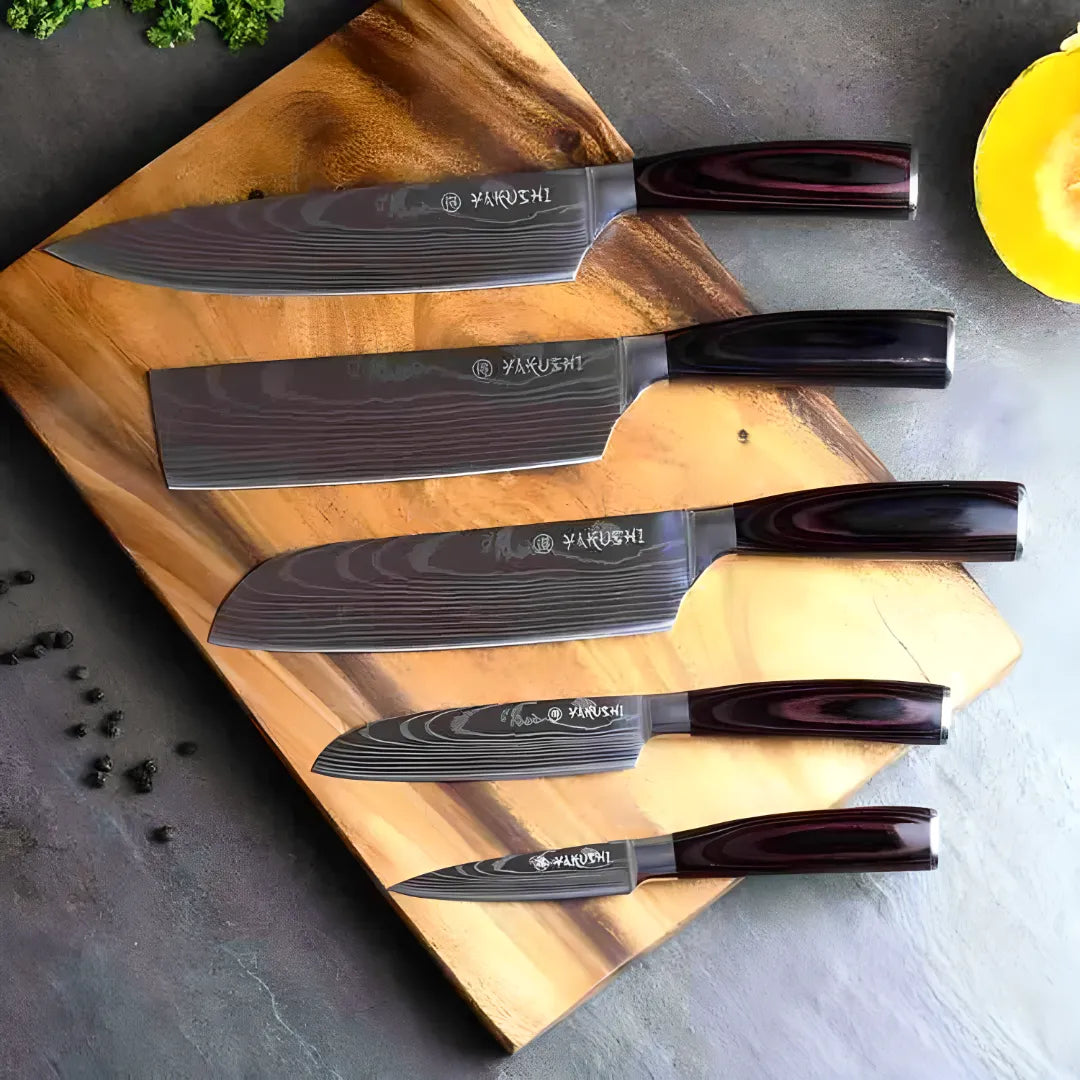
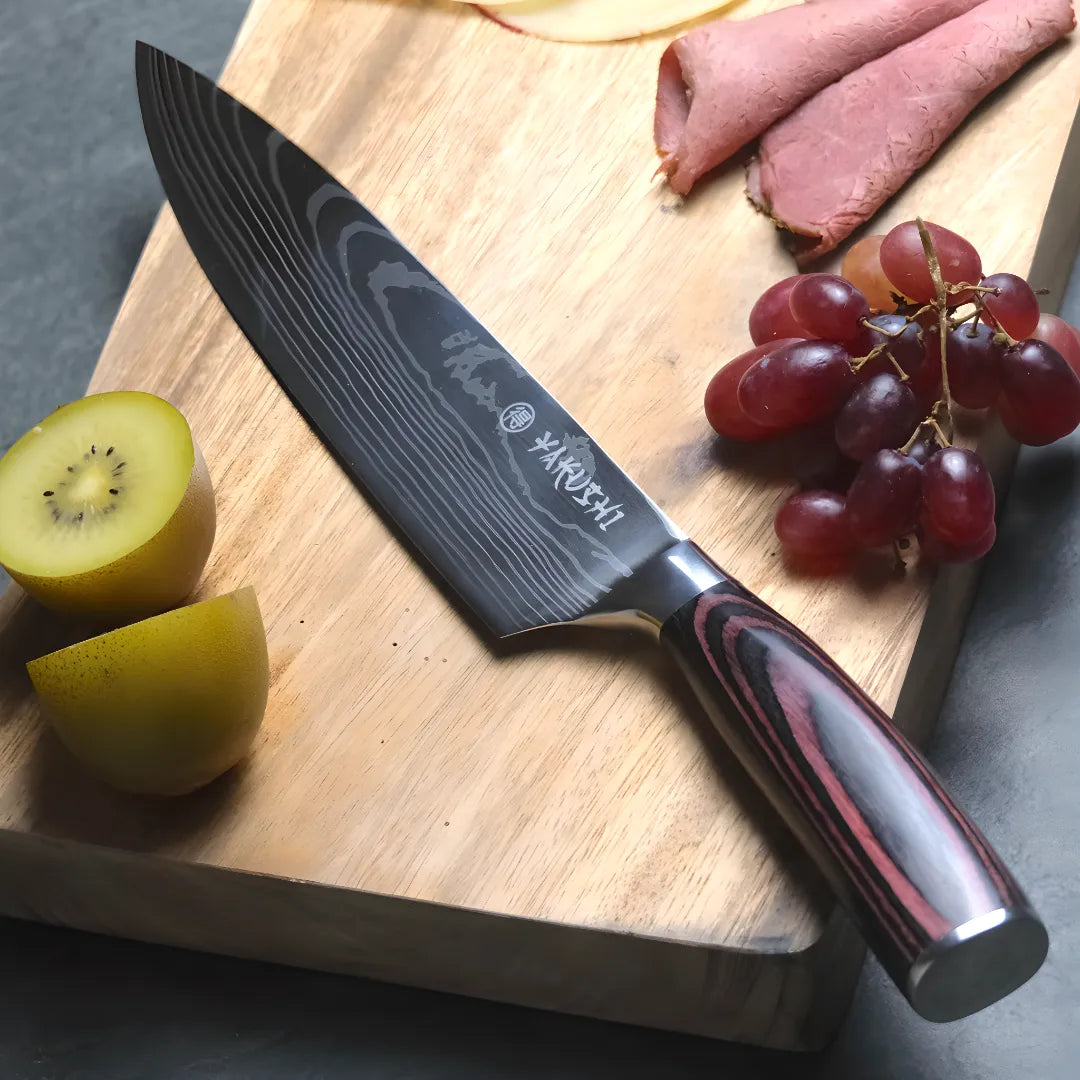
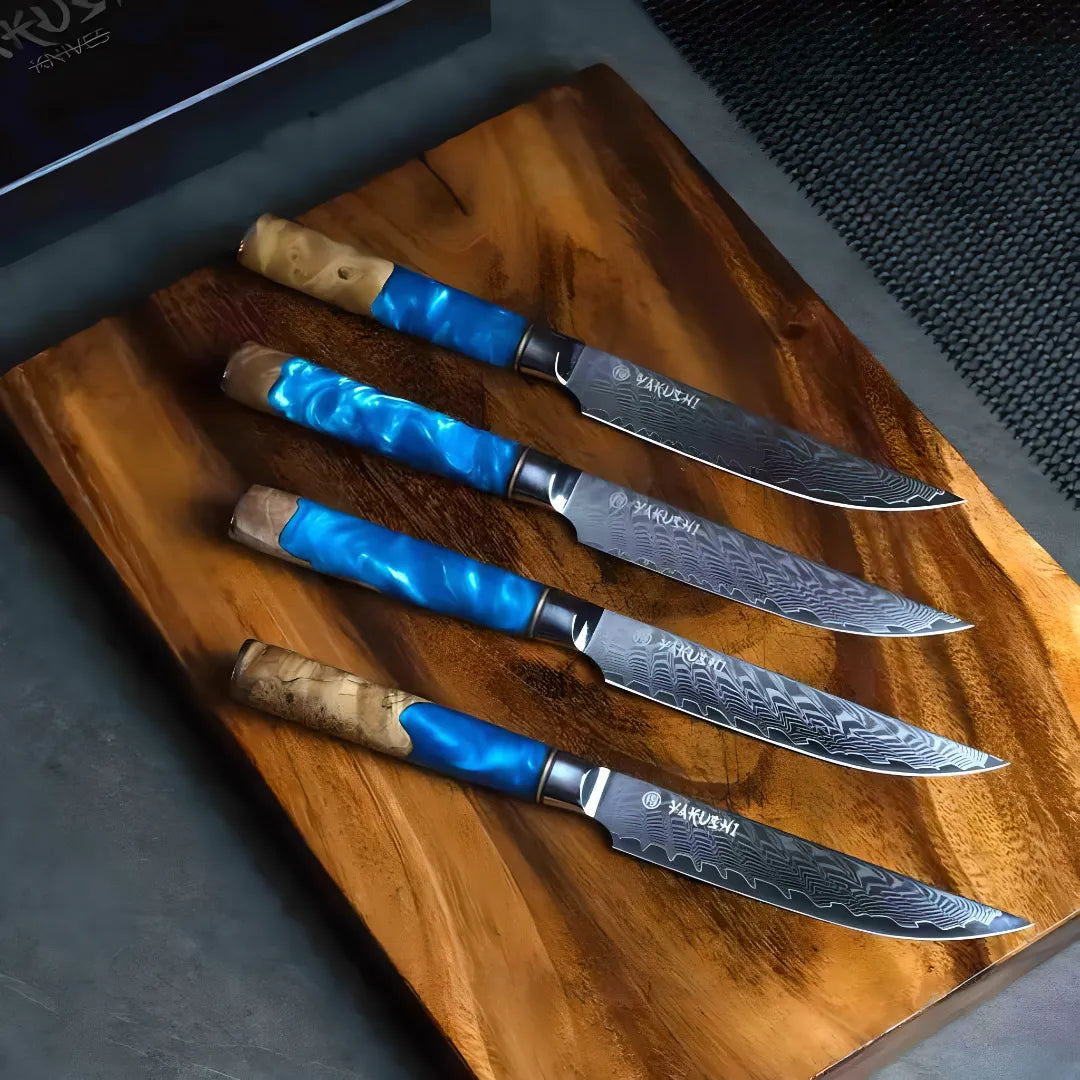
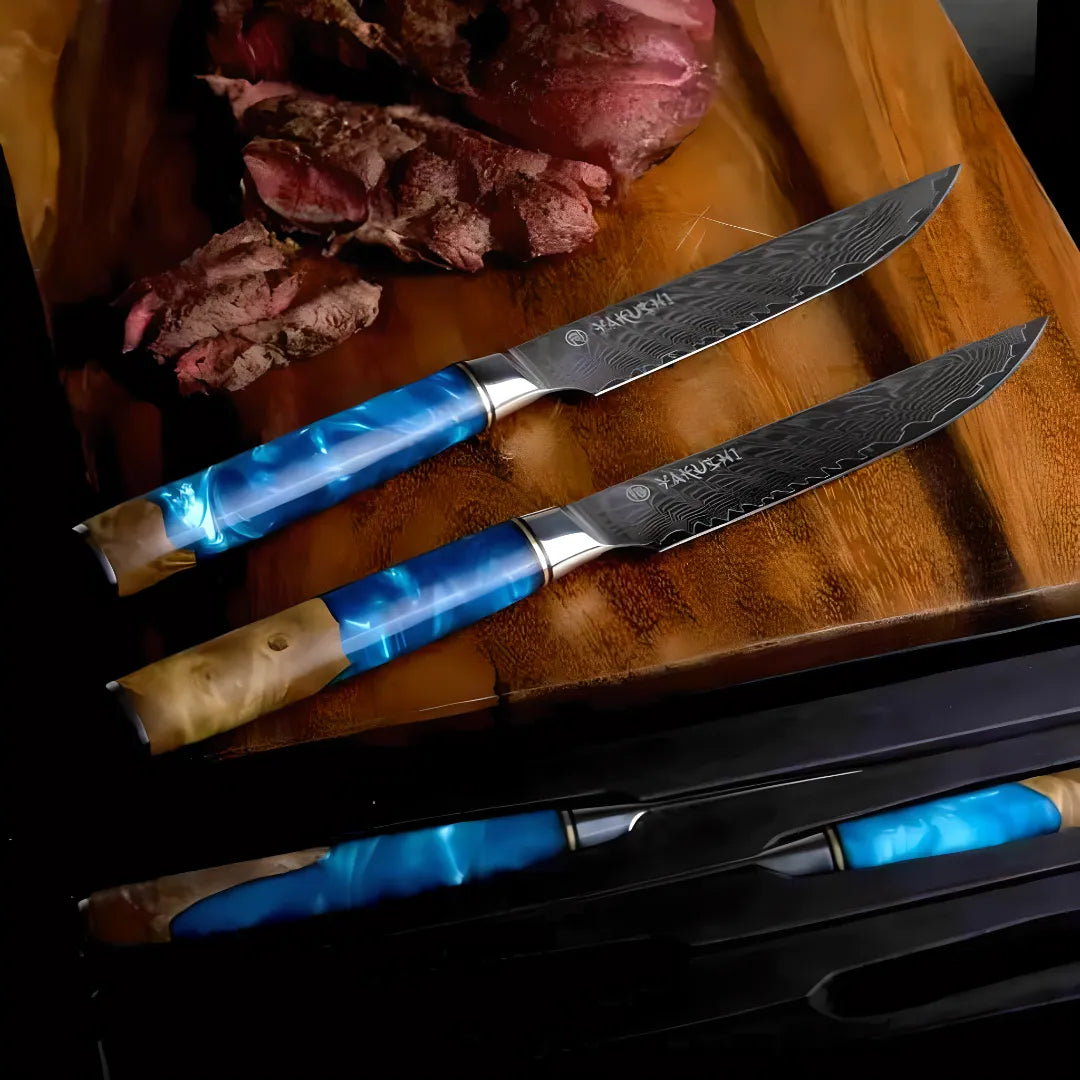
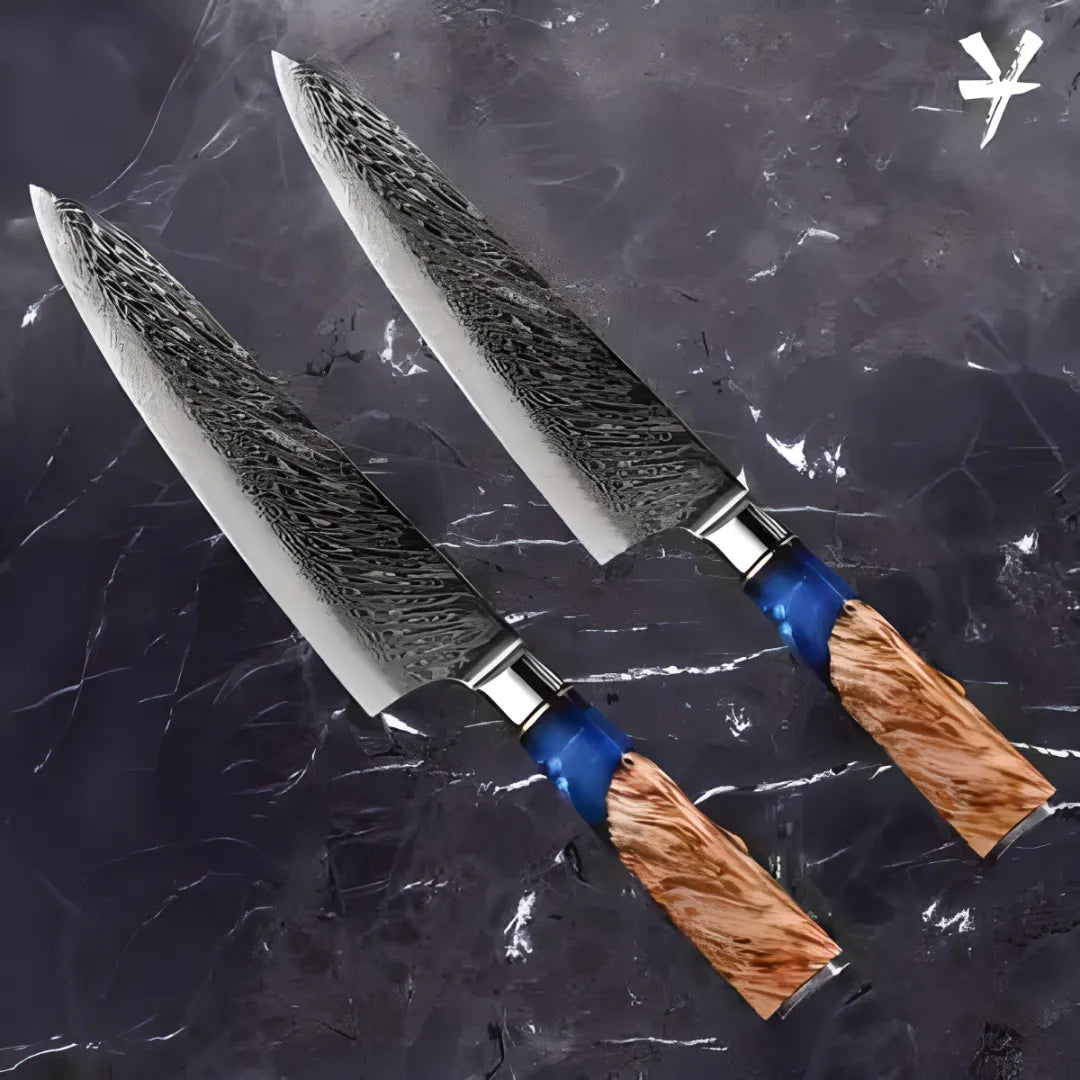

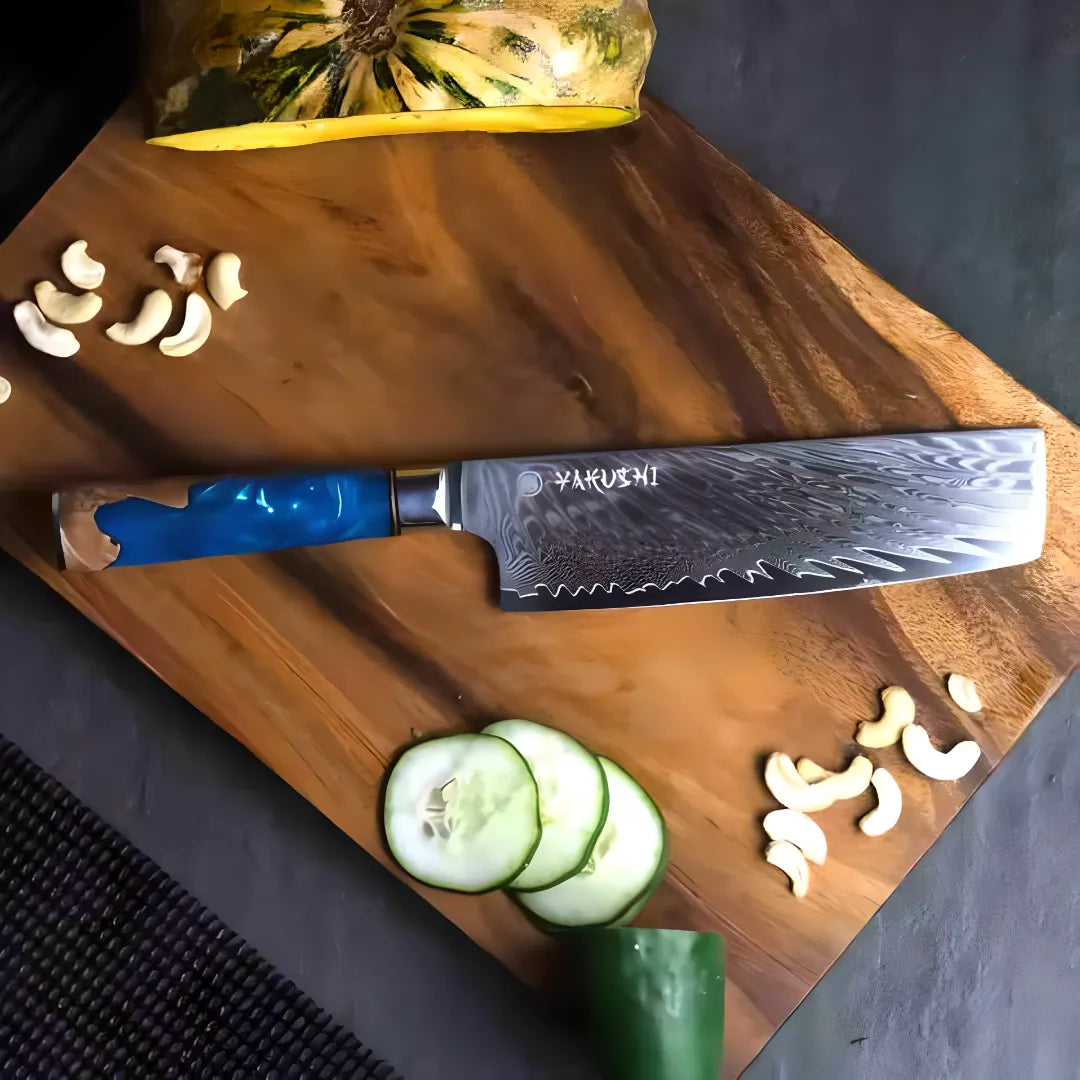
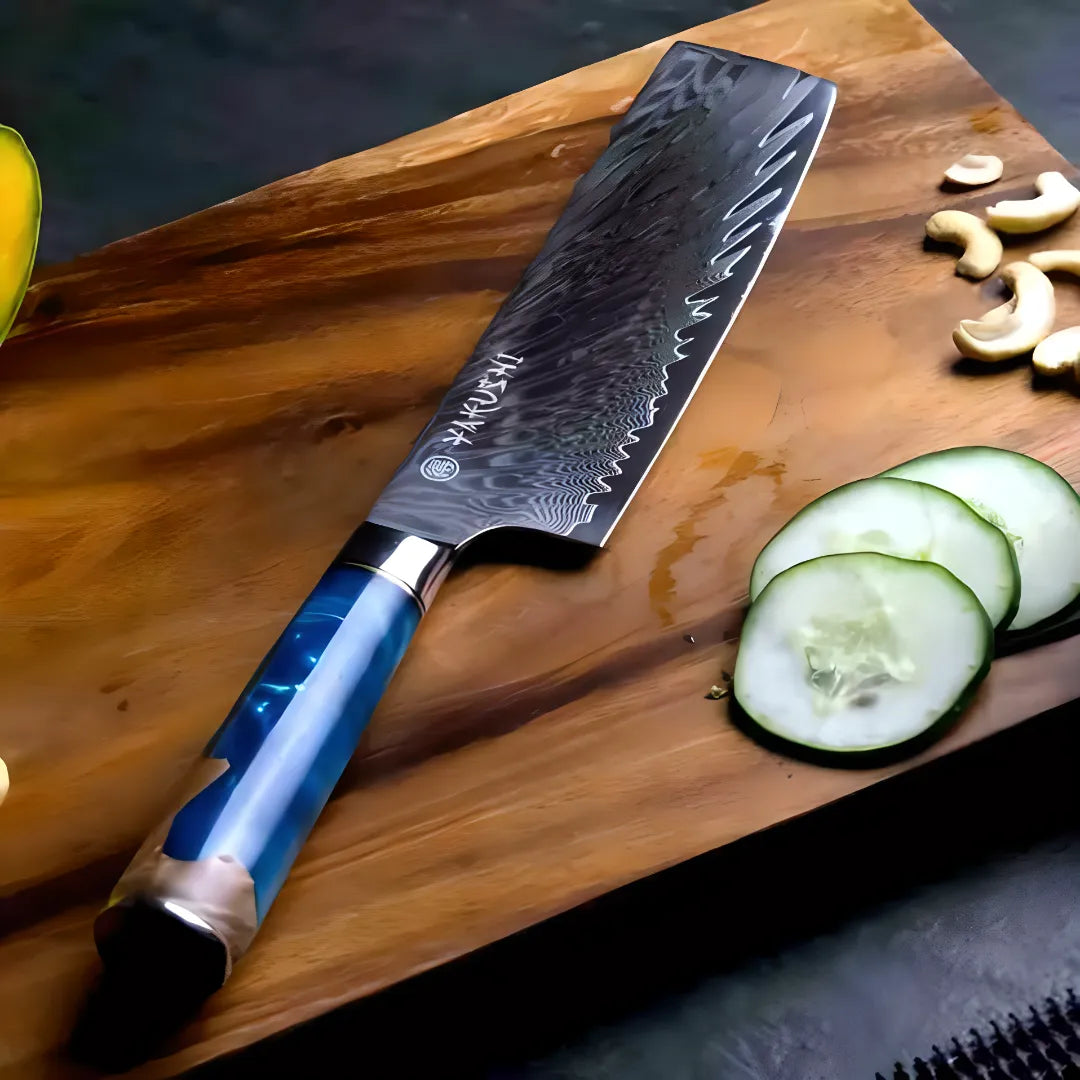
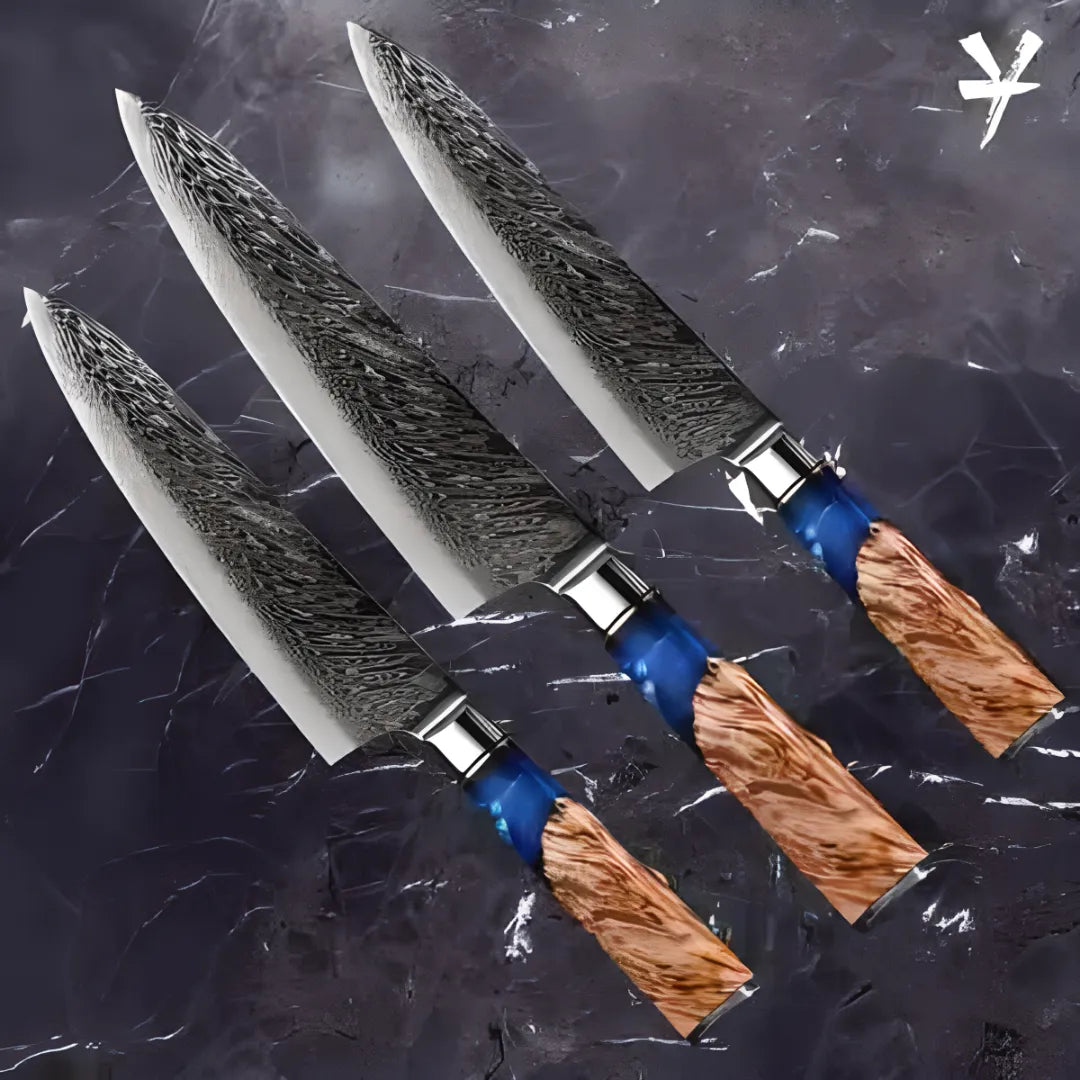
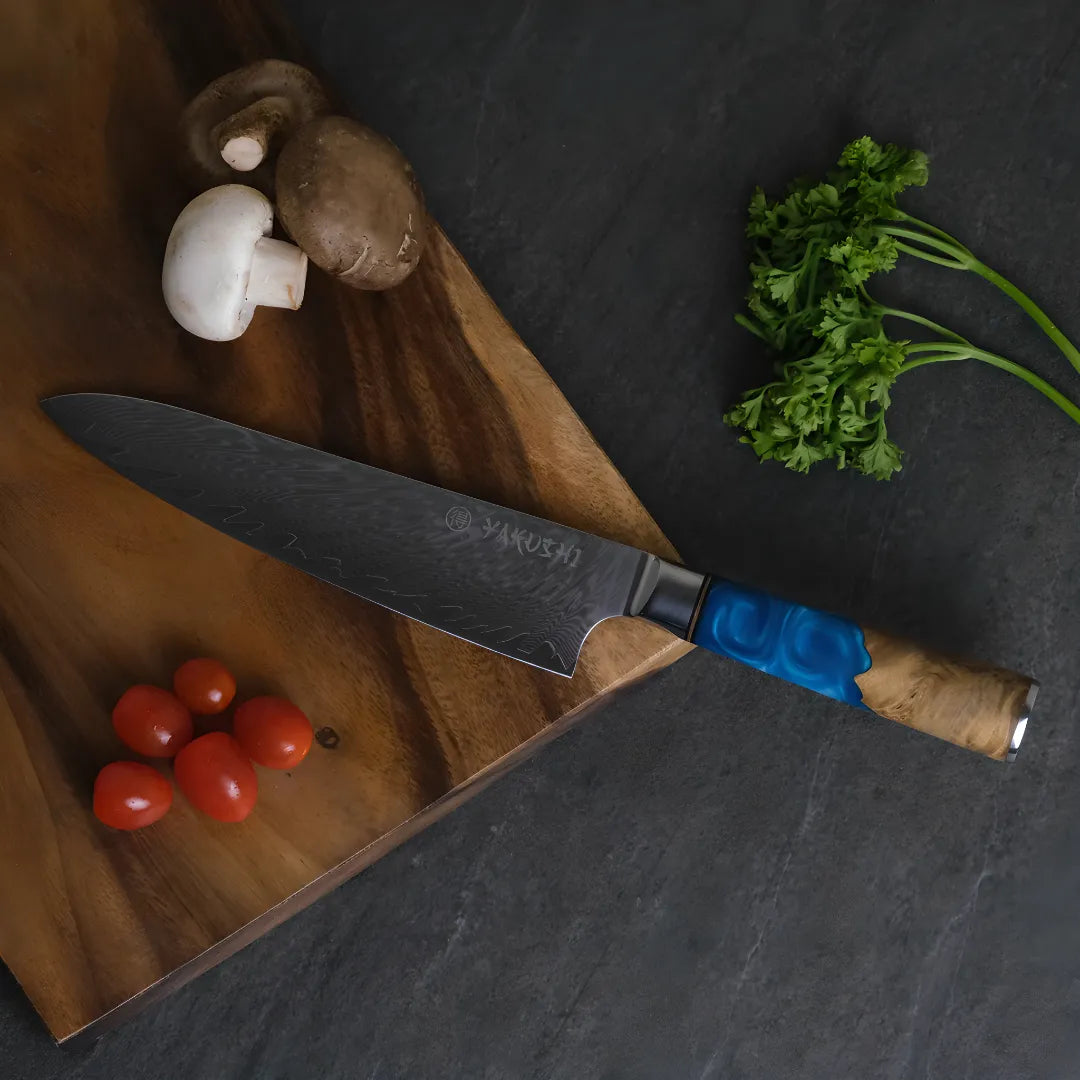
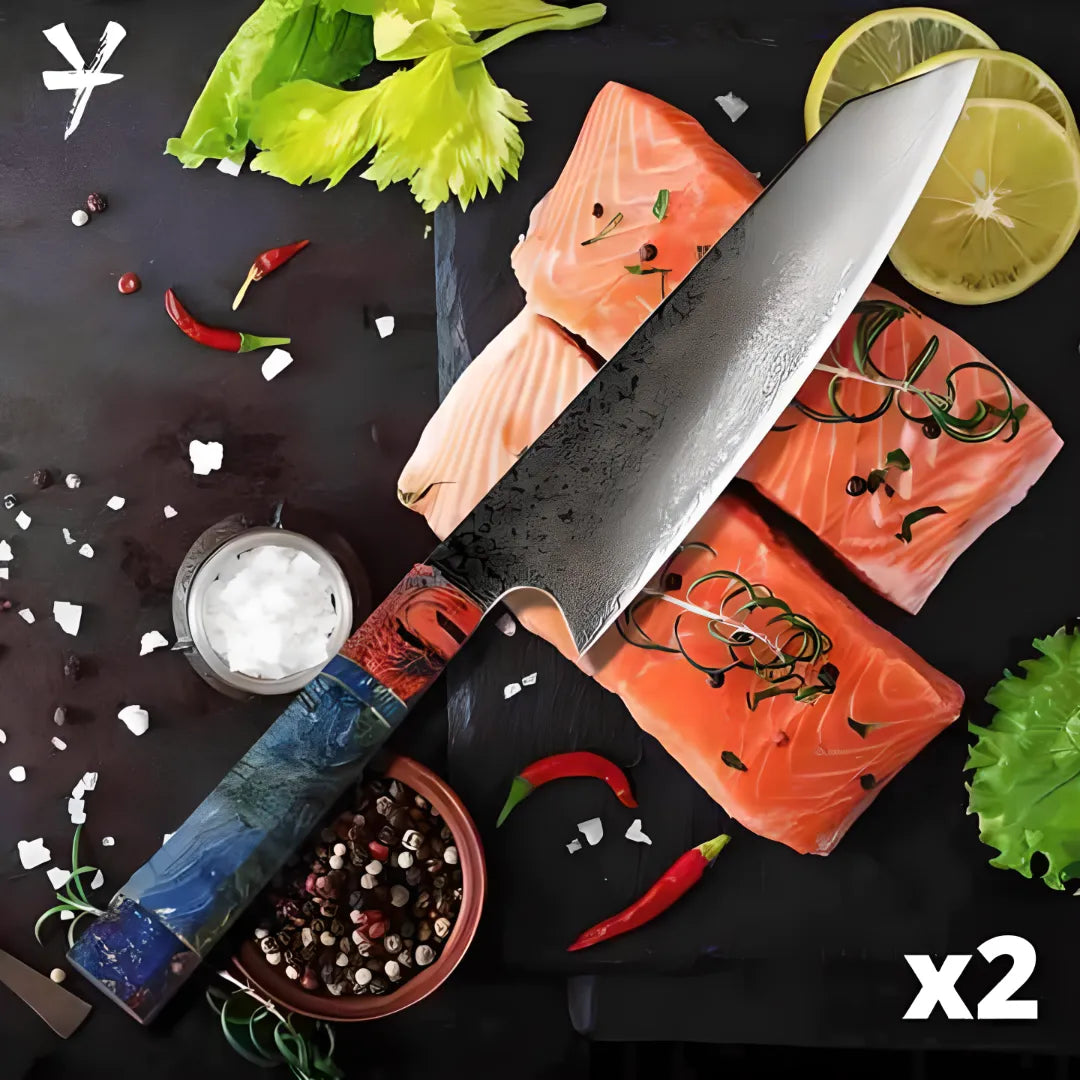
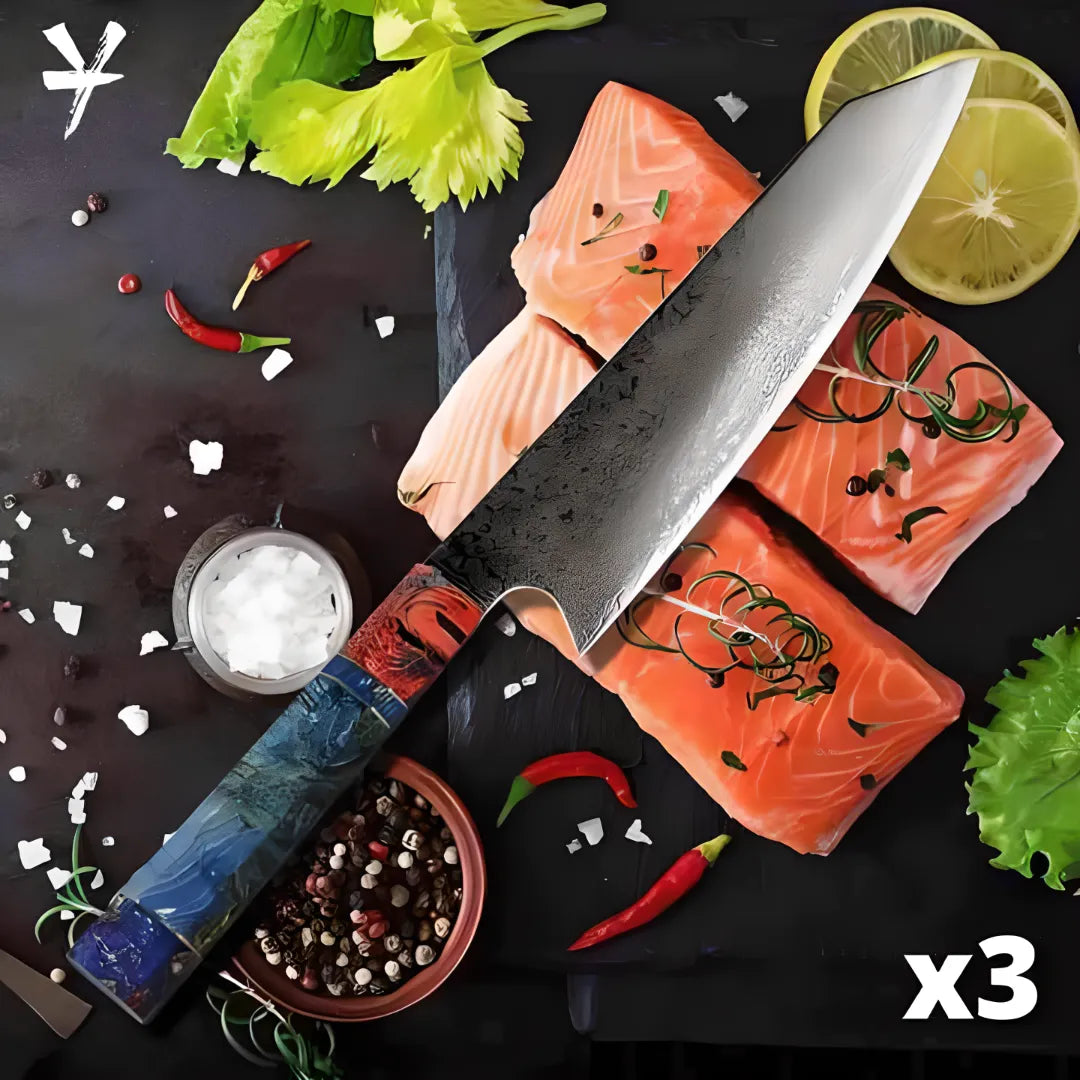

I really like the traditional look. They have perfect balance and grip. Incredibly sharp as well!

The Knives are perfect and sharp! I love chopping vegetables with my family now!

I ordered the 5 Piece Set and it exceeds my expectations!

Japanese Steel Kitchen Knives — Precision, Craftsmanship & Longevity

Japanese knives often feature traditional wooden handles (Wa-handles) and unique finishes like Damascus steel, Tsuchime, or Kurouchi. The craftsmanship of Japanese knives is characterized by a combination of ancient techniques and modern advancements.
Find your perfect knife and elevate your cooking experience today.
Japanese Steel Knives for Every Kitchen Task
Whether you’re preparing daily meals or creating culinary masterpieces, there’s a Japanese chef knife for every cooking need.
Everyday Prep Knives
Choose a versatile santoku (165-180mm) ideal for slicing, dicing, and chopping vegetables with precision. A gyuto chef knife handles protein preparation and all-purpose kitchen tasks with ease. Stainless steel options deliver excellent edge retention while requiring minimal maintenance—perfect for home cooks seeking quality and performance without intensive care routines.
Specialized Cutting Tasks
Discover usuba knives designed for precise vegetable work and garnishing where sharpness matters most. Kiritsuke knives offer professional chefs a versatile, high-performance blade combining slicing and chopping capabilities.
Japanese paring knives handle detailed work like peeling and deveining fish with surgical accuracy. Damascus steel options add stunning visual appeal to exceptional cutting performance.
Professional & Collector Knives
Single-bevel traditional blades from Sakai City represent the pinnacle of Japanese knife making tradition. Hand-forged pieces by master craftsmen like Yu Kurosaki and Takeshi Saji showcase ancient forging techniques passed through decades of expertise. Limited edition knives featuring premium steel and artistic design serve both as functional tools and investment-quality pieces for collectors who appreciate the art of Japanese blacksmith work.
Choose the Right Steel Type for Your Needs
The steel composition determines your knife’s performance, maintenance requirements, and cutting characteristics. Understanding these differences helps you purchase the right knife for your kitchen.
Carbon Steel (Traditional Japanese Steel)
White steel and blue steel represent Japan’s most celebrated high carbon steel varieties. White steel (#1, #2) achieves razor-sharp edges with minimal alloying, while blue steel adds tungsten and chromium for improved hardness and edge retention. Aogami super pushes these boundaries further with additional molybdenum and vanadium.
These steels reach 62-65 HRC hardness ratings, delivering cutting performance that professional chefs worldwide consider unmatched. Carbon steel does require careful maintenance—it will corrode if left wet and develops a unique patina over time. For those willing to maintain their blade properly, the sharpness rewards are incomparable.
Stainless Steel (Low Maintenance)
VG-10 and other premium stainless options combine high carbon content with 15%+ chromium for rust resistant performance. These modern alloys maintain excellent sharpness while resisting corrosion, making them ideal for home cooks wanting quality without intensive daily care.
Stainless steel knives typically achieve 60-62 HRC hardness—slightly lower than carbon alternatives but with significantly easier maintenance. The combination of performance and convenience makes stainless the most popular choice among customers seeking a reliable everyday blade.
Damascus Steel (Beauty Meets Performance)
Damascus steel features multiple layers of steel folded and forged together, creating distinctive wave patterns that make each knife a unique piece of art. This construction method produces strong, durable blades with exceptional cutting characteristics.
The layered structure often features a super steel core—such as VG-10 or powder steel—clad in softer outer layers for protection and visual appeal. Damascus knives represent the perfect combination of functionality and beauty for those who appreciate craftsmanship.
Powder Steel (Advanced Technology)
Powder metallurgy steels like SG2/R2 represent cutting-edge technology in knife making. The manufacturing process creates an ultra-fine grain structure that delivers superior hardness (63-65 HRC) alongside remarkable toughness—a combination difficult to achieve through traditional forging.
These rare, expertly-crafted blades offer the ultimate performance for serious culinary professionals. Edge retention surpasses conventional steels, meaning less time sharpening and more time cooking over a long period.
Premium Japanese Craftsmanship That Endures
Authentic Japanese steel knives represent centuries of refined metallurgy and forging expertise from world-renowned knife making regions including Seki City, Sakai City, and Osaka.
Hand-Forged Construction
Traditional techniques passed down through generations of Japanese blacksmiths ensure every blade reaches its full potential. Heat treatment and tempering processes maximize steel hardness while maintaining the right balance of toughness. Each knife is individually crafted by craftsmen who dedicate their lives to the art of knife making.
Full tang construction provides proper weight distribution and durability that lasts decades with appropriate care.
Precision Blade Geometry
Double-bevel edges ground to 15 degrees deliver effortless cutting through vegetables, fish, and proteins. Single-bevel options—featuring one cutting face sharpened to an acute angle—provide traditional Japanese cutting techniques prized by sushi chefs worldwide.
These razor-sharp edges maintain their keenness significantly longer than mass-produced alternatives, making your purchase a pleasure to use day after day.
Ergonomic Handle Design
Stabilized wood, Pakkawood, and traditional magnolia wood handles offer comfortable grip options suited to different preferences. The design reduces fatigue during extended use—an important consideration for professional chefs working long service periods.
Handle shapes complement Japanese cutting techniques, allowing the knife to become an extension of your hand.
How to Select Your Japanese Steel Knife
Finding the perfect blade depends on your cooking style, experience level, and maintenance preferences. Consider these tips when making your selection.
Consider Your Skill Level
Beginners should start with stainless steel santoku or gyuto knives—easy to maintain while delivering impressive sharpness. Intermediate cooks can explore Damascus steel for enhanced performance and visual appeal. Advanced users may prefer traditional carbon steel varieties for ultimate cutting precision.
Professional chefs often choose specialized single-bevel knives from Sakai City or hand-forged carbon steel from master craftsmen, accepting higher maintenance demands in exchange for unparalleled performance.
Match Knife to Cooking Style
All-purpose home cooking calls for a 165-180mm santoku or 210mm gyuto as your primary blade. Vegetable-focused cuisine benefits from a nakiri or usuba knife designed specifically for produce preparation. Protein work demands a gyuto with sufficient size and edge geometry for clean cuts.
Precision tasks—peeling, deveining, detail work—require a small Japanese paring knife featuring the same quality steel and sharpness as larger blades.
Shop Authentic Japanese Steel Knives
Explore our curated collection of authentic Japanese steel knives featuring pieces from renowned makers and traditional knife making regions across Japan. Each blade represents the pinnacle of Japanese metallurgy and craftsmanship, designed to transform your cooking experience.
Japanese steel knives are renowned for their exceptional sharpness, high-carbon hardness (58-65 HRC), and lightweight, thin-blade construction.
Japanese knives are generally harder (60-64 HRC) than Western counterparts, allowing for a sharper, thinner edge that lasts longer.
Japanese knives are typically made from high-carbon steel, resulting in higher hardness (Rockwell hardness of 58–65 HRC) compared to Western knives (52–58 HRC).
The high-carbon, hard steel of Japanese knives stays sharper for much longer, requiring less frequent sharpening.
Japanese knives are generally more brittle and prone to chipping than Western knives if used for hacking through bones.
Japanese knives typically require a Whetstone for proper maintenance, unlike Western knives which can be maintained with a honing rod.
Every knife includes detailed specifications—steel type, hardness ratings, dimensions—plus expert guidance on selection, care, and sharpening techniques. Contact our team for personalized recommendations based on your cooking needs.
Check our sale price options and cart sale price offers on select pieces. Free interest-free installment payments are available to make purchasing more affordable. Read customer reviews to discover why serious cooks choose authentic Japanese steel.
When exploring Takeshi Saji knives, you'll notice that prices vary across different series, depending on steel types, handle materials, and whether the knife is best suited for collectors or daily users.
One thing that both traditional and modern steel types share is that they are produced in Japan, ensuring a consistent heritage of quality.
Your perfect Japanese steel knife awaits—add one to your collection and experience the difference authentic craftsmanship makes.
About the Knives
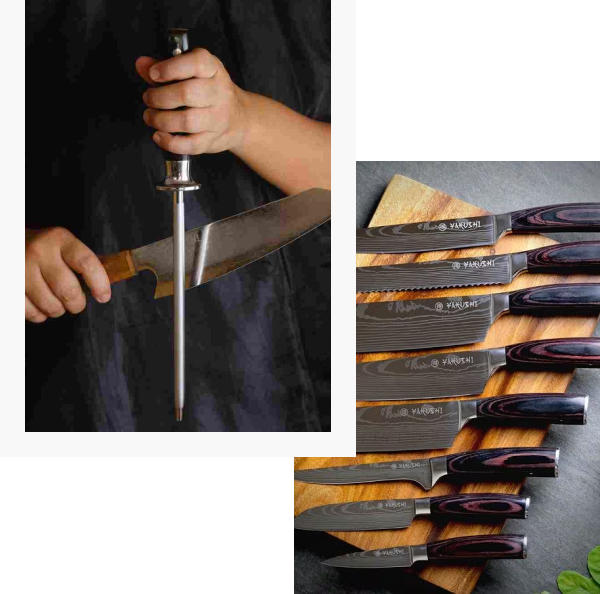
We are passionate craftsmen, dedicated to creating exceptional Japanese knives that embody beauty, function, and tradition. We use only the finest materials and employ conventional forging techniques to ensure that our knives are not only razor-sharp and durable but also a work of art.
Explore the collections
We Get It, Trust Takes Time.
Shopping online can feel daunting and scary, especially without seeing the product first. Luckily, we made it easier for you.


