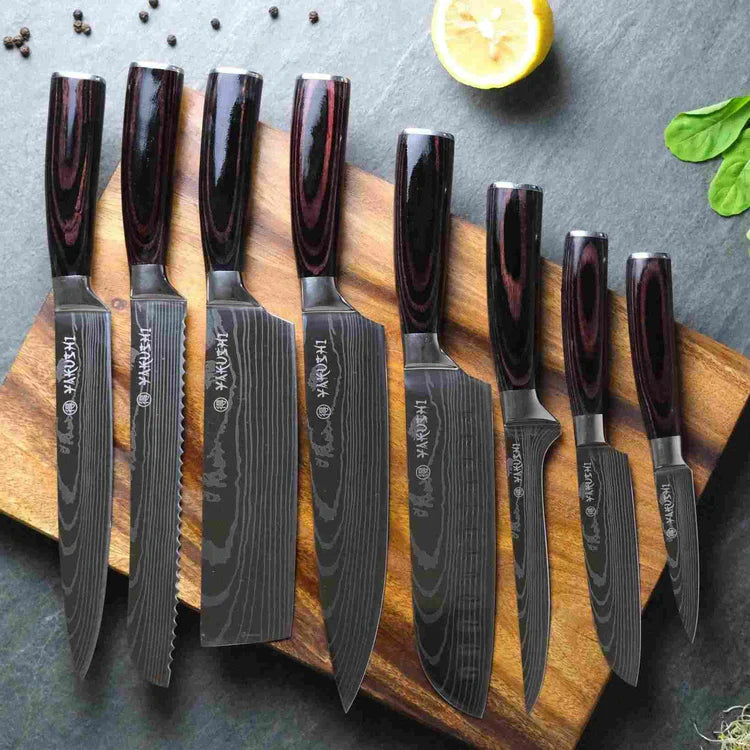
Honing Steel
Use it when a compatible straight edge still cuts but no longer feels as smooth or consistent during use.
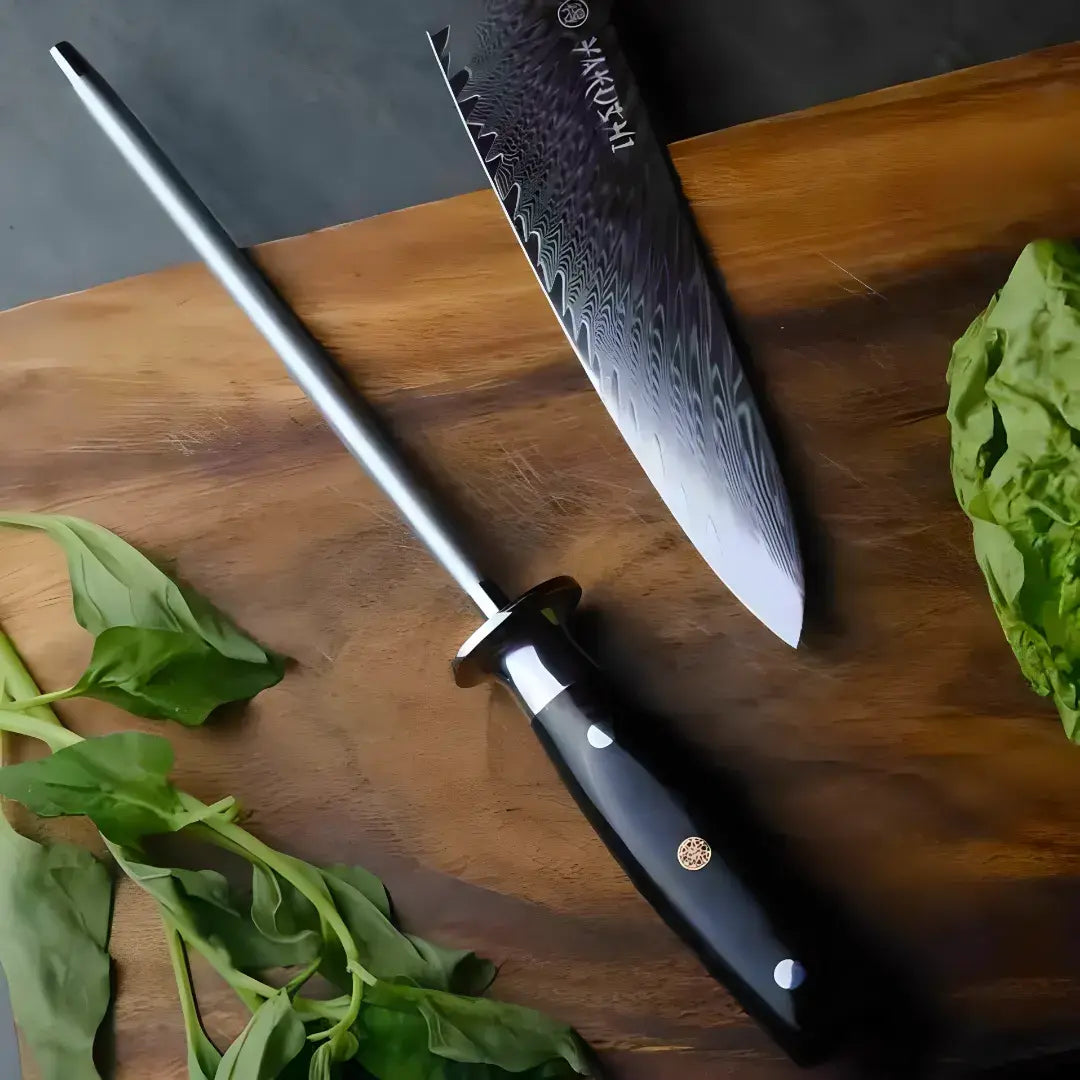
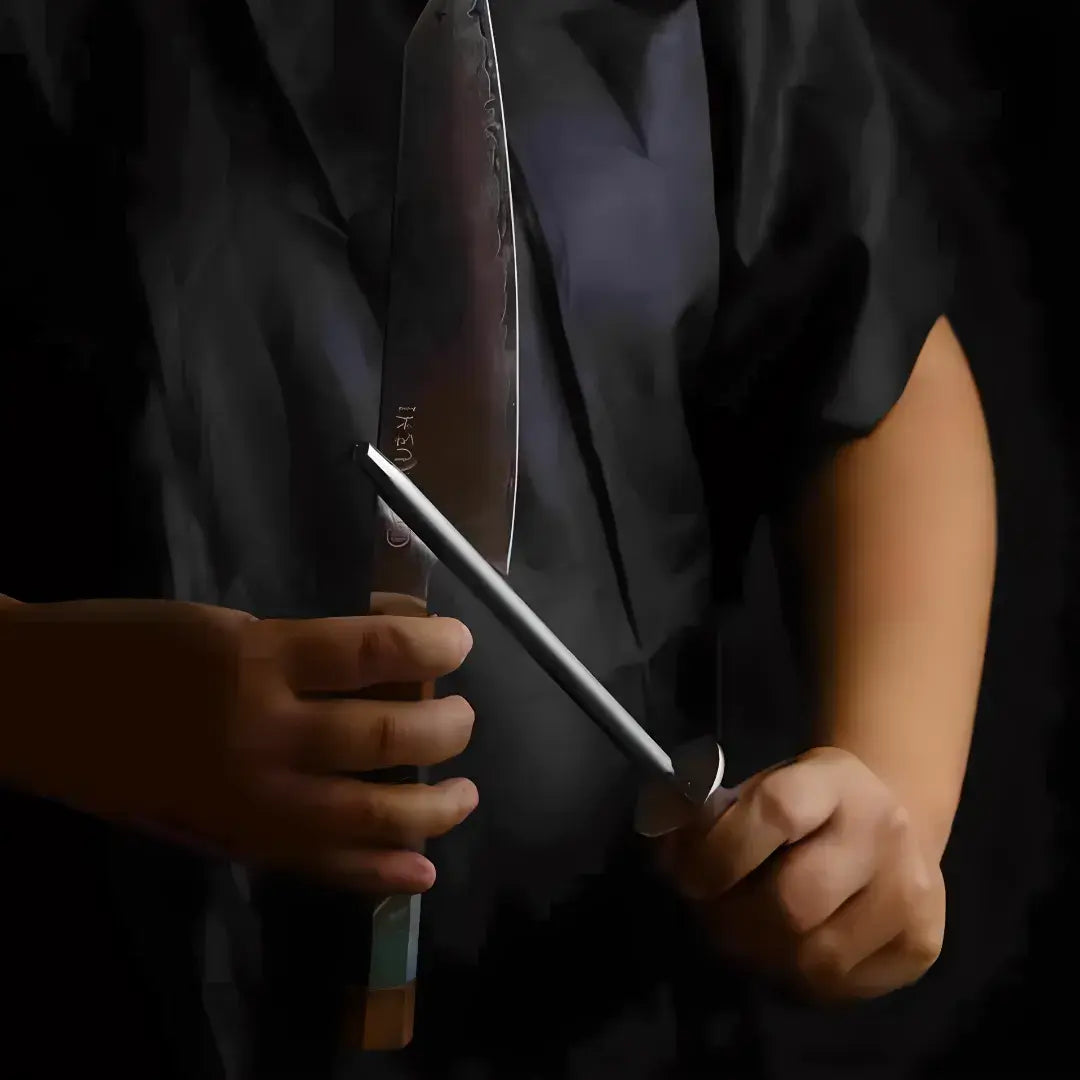
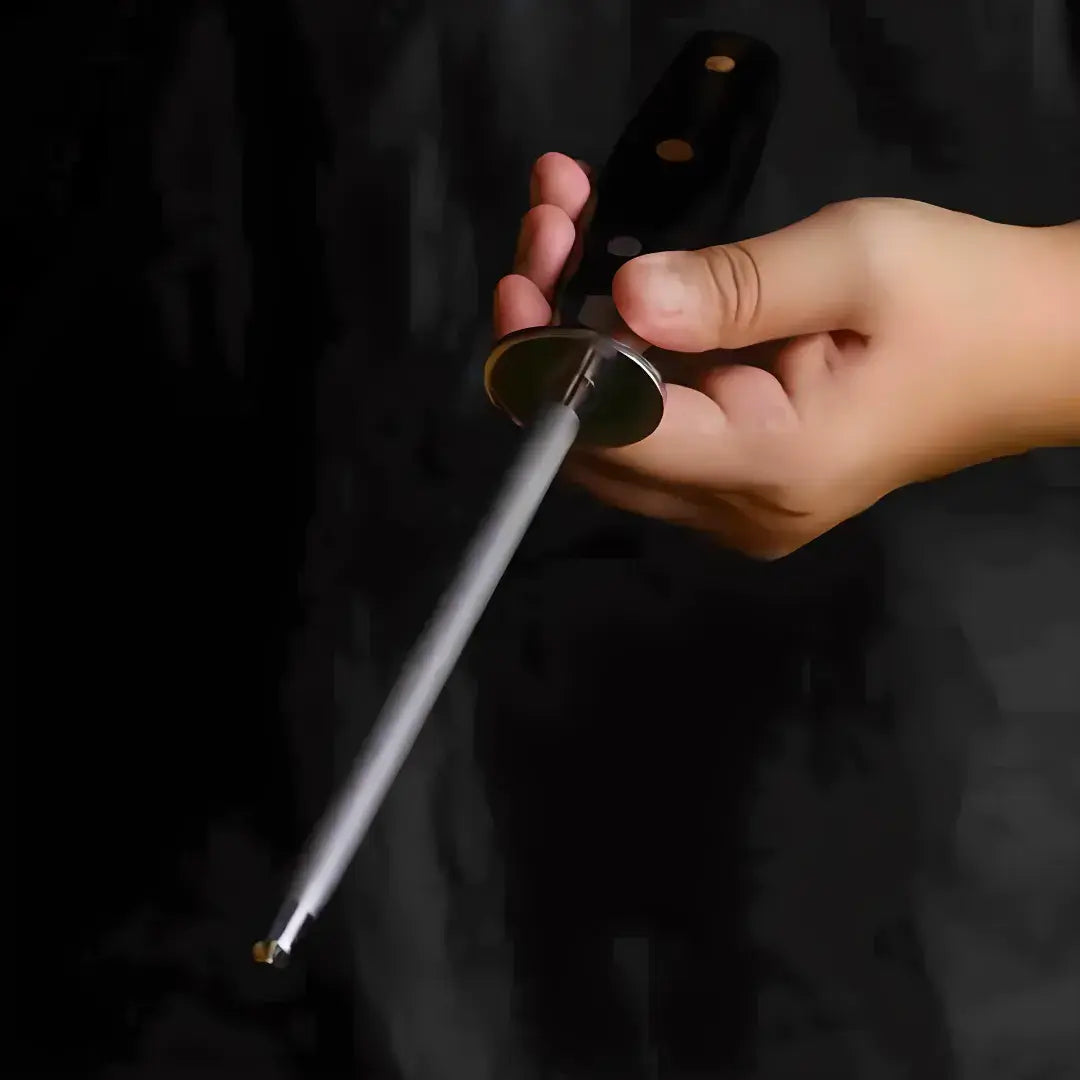
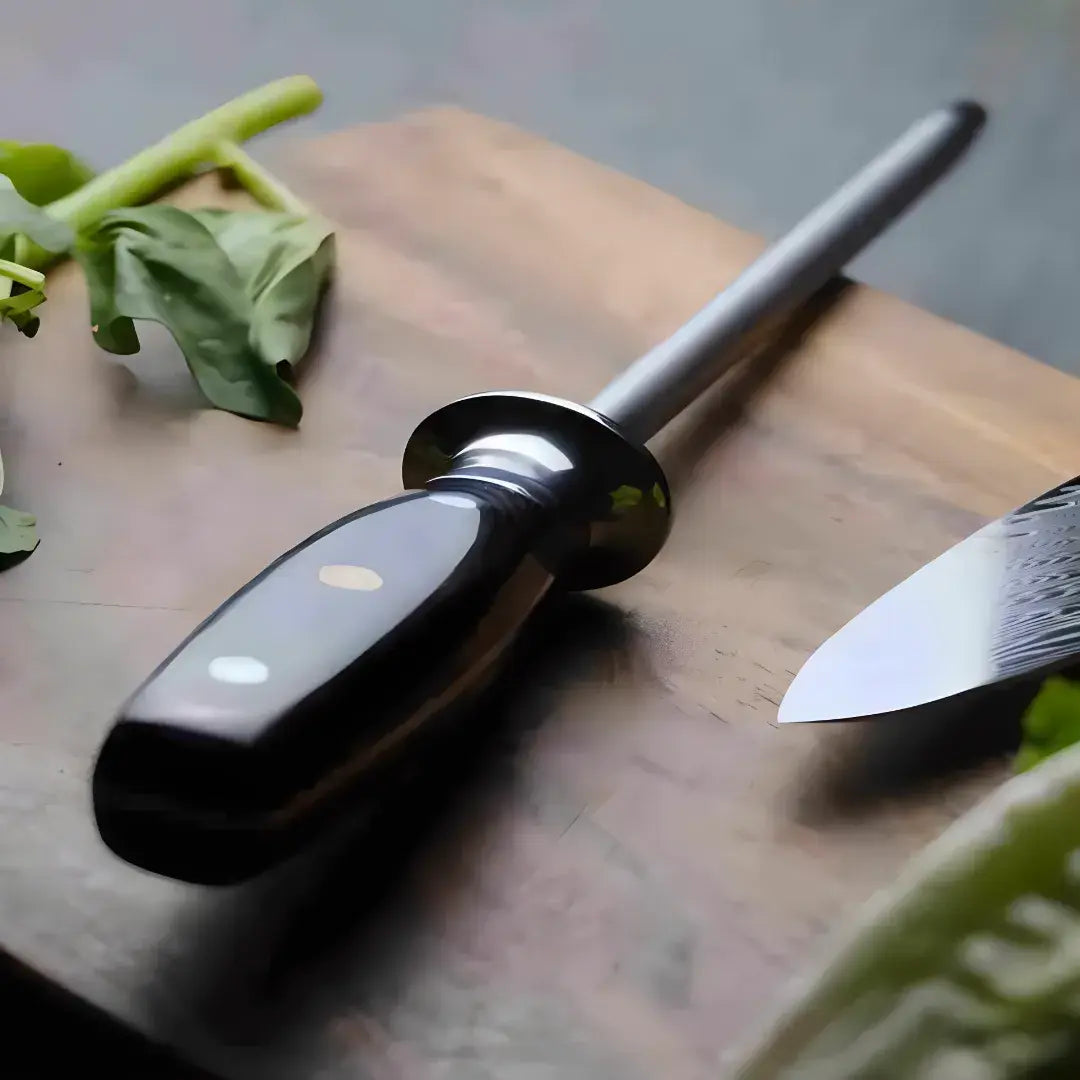
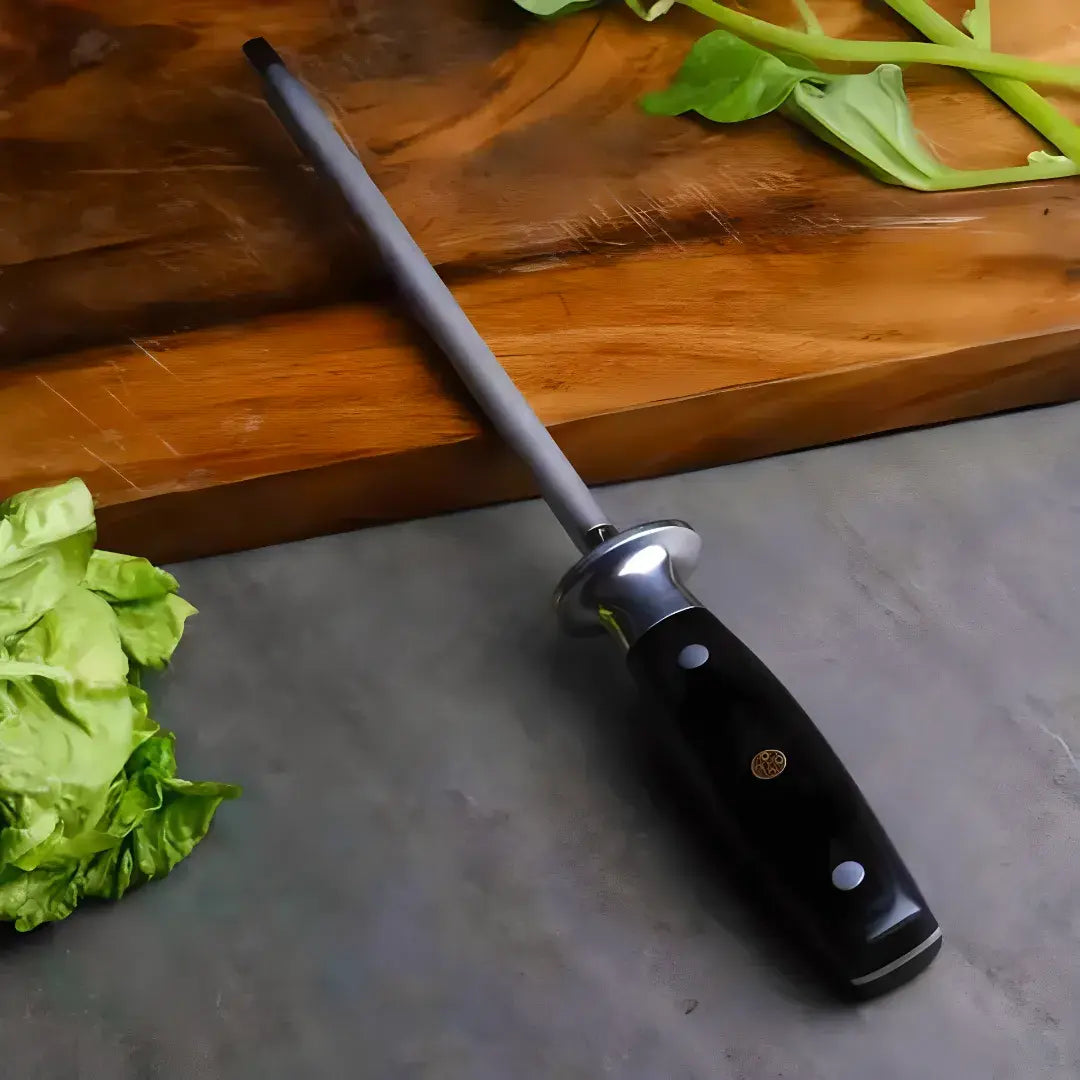
A 12-inch honing steel for regular kitchen-knife maintenance.
Help maintain compatible straight edges between full sharpening sessions with a 7Cr17 stainless-steel honing rod, ebony-wood handle, and protective bolster.


Orders are processed and shipped within 1–2 business days. Estimated delivery after dispatch:
Tracking details are emailed as soon as your order ships. International shipping charges are shown at checkout. Carrier delays may occasionally occur outside our control.
Try your knife at home with our 15-day satisfaction guarantee. If you’re not completely satisfied, contact us within 15 days of ordering to arrange a return and full refund.
Your knife is also covered by a 3-month warranty. If you experience a workmanship or quality issue, contact us with your order number and photos so we can help.
View our full Return Policy.
Maintain your edge between sharpenings
The Yakushi™ Professional Honing Steel combines a 12-inch 7Cr17 high-carbon stainless-steel rod with an ebony wood handle and protective bolster. Use it for controlled routine maintenance on compatible straight-edge, double-bevel kitchen knives. It helps maintain an existing edge; it is not designed to repair chips, broken tips, or serious dullness.
Two different maintenance jobs
A honing steel and a whetstone serve different purposes. Use the steel for routine maintenance on a compatible existing edge. Use a suitable sharpening tool when the edge is truly dull, needs refinement, or requires material removal.
Use it when a compatible straight edge still cuts but no longer feels as smooth or consistent during use.
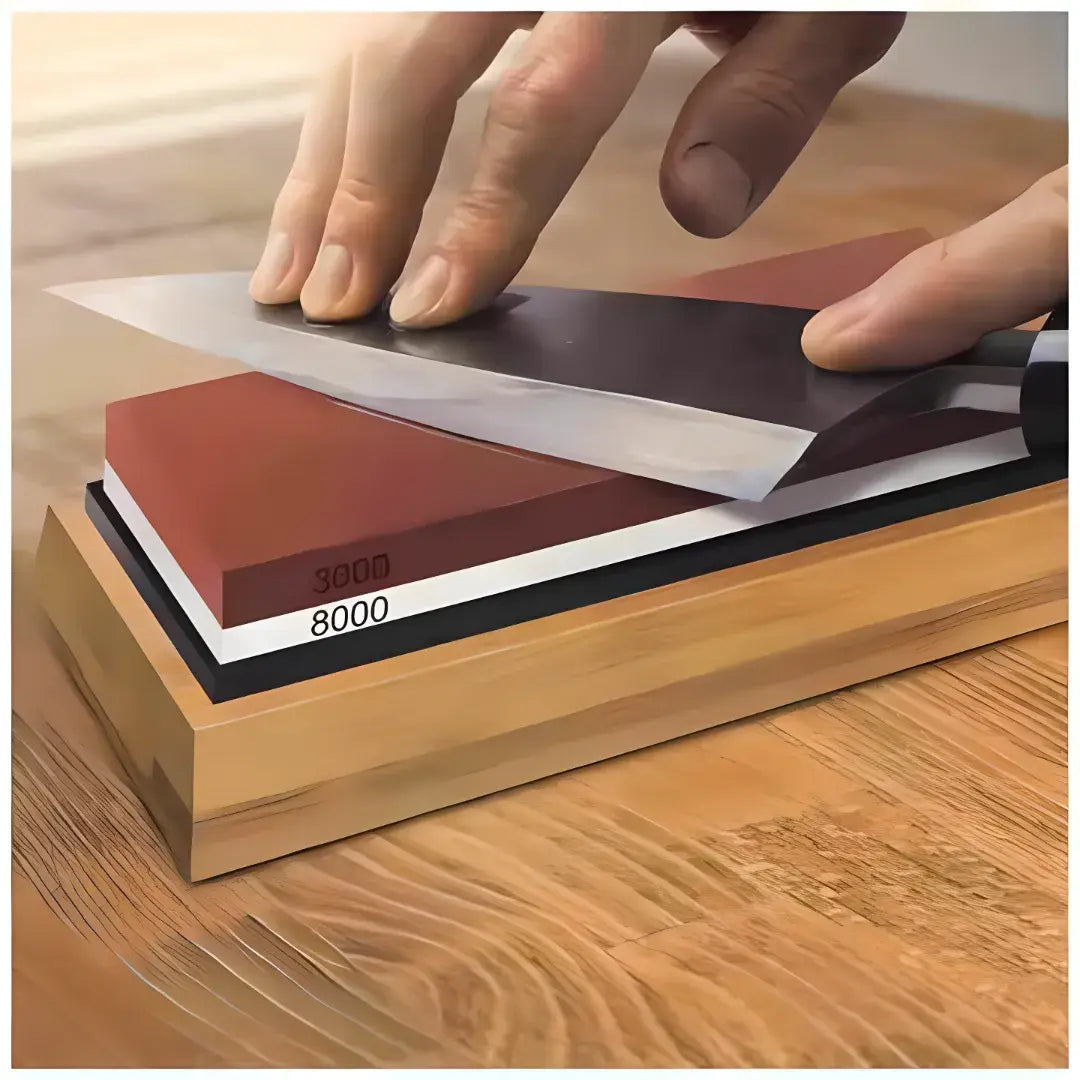
Use a suitable abrasive stone when the edge is genuinely dull and needs material removal or refinement.
View the 3000/8000 whetstoneConsult a qualified sharpener for chipped blades, broken tips, severe damage, unusual geometry, or repairs you are not equipped to assess.
Built for routine care
The 12-inch working surface accommodates controlled heel-to-tip passes on many common kitchen knives.
The working rod is made from 7Cr17 high-carbon stainless steel.
The shaped ebony wood handle provides a dedicated gripping surface for controlled passes.
The bolster provides separation between your gripping hand and the working rod.
Control over speed
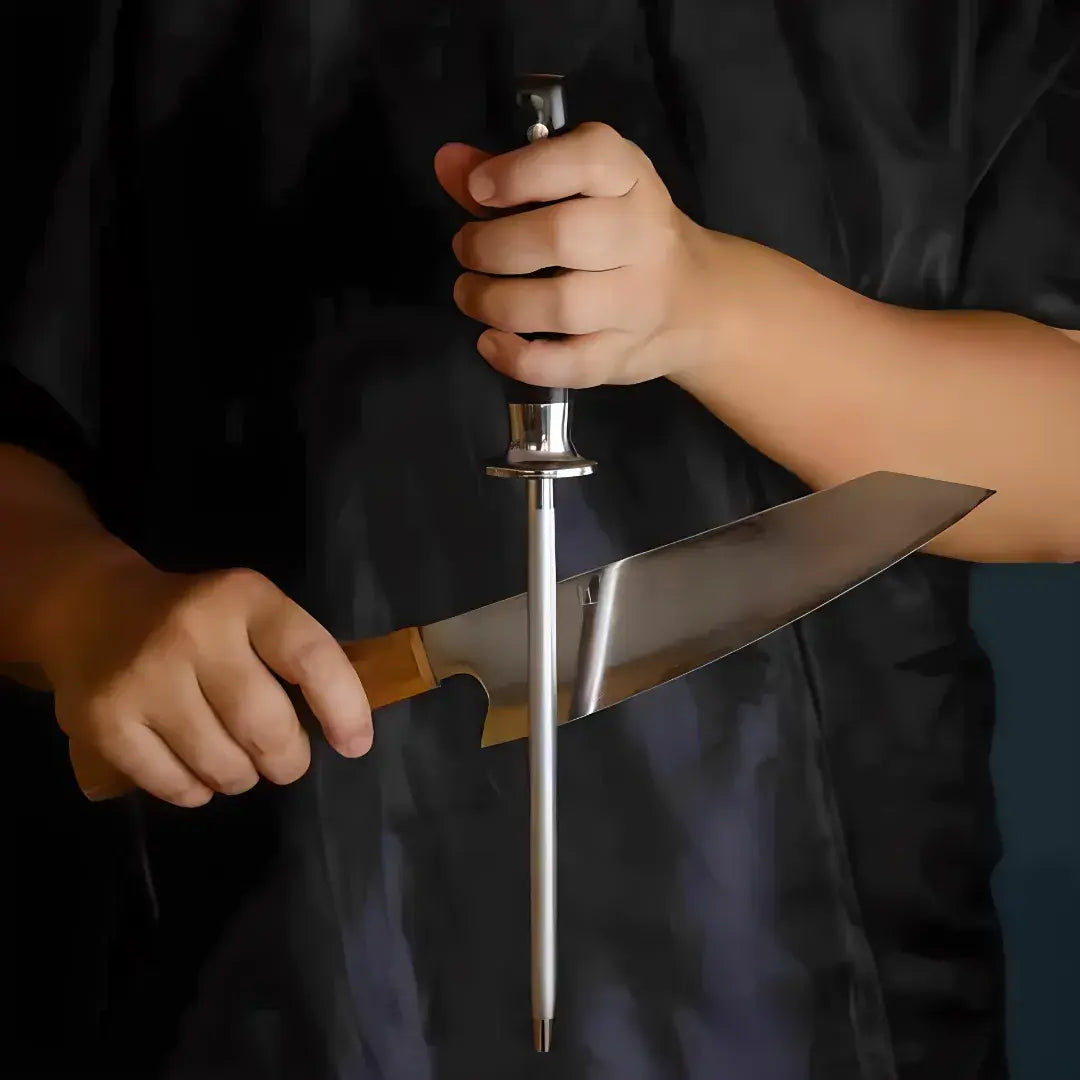
For consistent results, stabilize the rod, match your knife's recommended angle, apply light pressure, and use controlled heel-to-tip passes.
Rest the rod vertically on a stable cutting board or folded damp towel and keep the working area clear.
Use the angle or bevel geometry recommended for your knife instead of relying on one universal number.
Guide the blade down the rod with light, controlled pressure, alternate sides evenly, and keep the cutting edge moving away from your fingers.
Compatibility matters
No universal angle
Maintenance angles vary by knife type and manufacturer. Follow the guidance for your knife instead of assuming one angle is right for every blade.
Start with the sharpening or honing instructions supplied with your knife whenever they are available.
A honing steel is meant to maintain a compatible existing edge, not create a new bevel.
If the edge geometry is unclear, damaged, specialized, or no longer responds to honing, use a suitable whetstone or professional service.
Keep the rod clean and dry
Wipe the rod after use. When more thorough cleaning is needed, use mild soap and a soft cloth, then dry it immediately. Store the steel where the rod cannot strike knife edges, cookware, or other tools.
Use honing for compatible routine maintenance, then move to the right sharpening and storage tools when the edge condition calls for more.
Independent maintenance references
ZWILLING distinguishes routine honing from sharpening and recommends different honing angles for different knife families. Check the instructions for your blade before you begin.
Read ZWILLING's maintenance guide ↗WÜSTHOF also distinguishes honing as maintenance from sharpening as material removal, with different guidance for its standard and Asian-style knives.
Read WÜSTHOF's sharpening guide ↗Quick answers
Its primary role is routine edge maintenance on compatible straight-edge double-bevel knives. It does not replace full sharpening when material must be removed to restore a genuinely dull or damaged edge.
Use it with compatible straight-edge double-bevel kitchen knives when the knife maker's maintenance guidance permits honing. Serrated, single-bevel, damaged, or unusual blades may require another method.
It features a 12-inch honing rod made from 7Cr17 high-carbon stainless steel.
Follow the angle or edge geometry recommended by the knife manufacturer. Because knife angles vary, no single honing angle is right for every blade.
No. Chipped edges, broken tips, severe dullness, and major edge damage require a suitable sharpening or repair process rather than routine honing.
Place the rod tip on a stable cutting board or folded damp towel, hold the handle securely, match the knife's edge angle, and use light, controlled heel-to-tip passes while keeping the edge moving away from your fingers.
If careful honing no longer improves cutting performance, move to a suitable whetstone, other sharpening method, or professional service.
Wipe it after use. When necessary, clean it with mild soap and a soft cloth, dry immediately, and store it where the rod cannot strike or damage other kitchen tools.
The 12-inch Yakushi™ Professional Honing Steel is a practical choice when a compatible straight-edge double-bevel knife still has a usable edge but needs routine maintenance between full sharpening sessions.
MAINTAIN BETWEEN SHARPENING SESSIONS
Keep a Working Edge Properly Aligned
Use light, controlled heel-to-tip passes at the angle recommended for your knife. When honing no longer improves cutting performance, the edge should receive proper whetstone or professional sharpening.